Online Reporter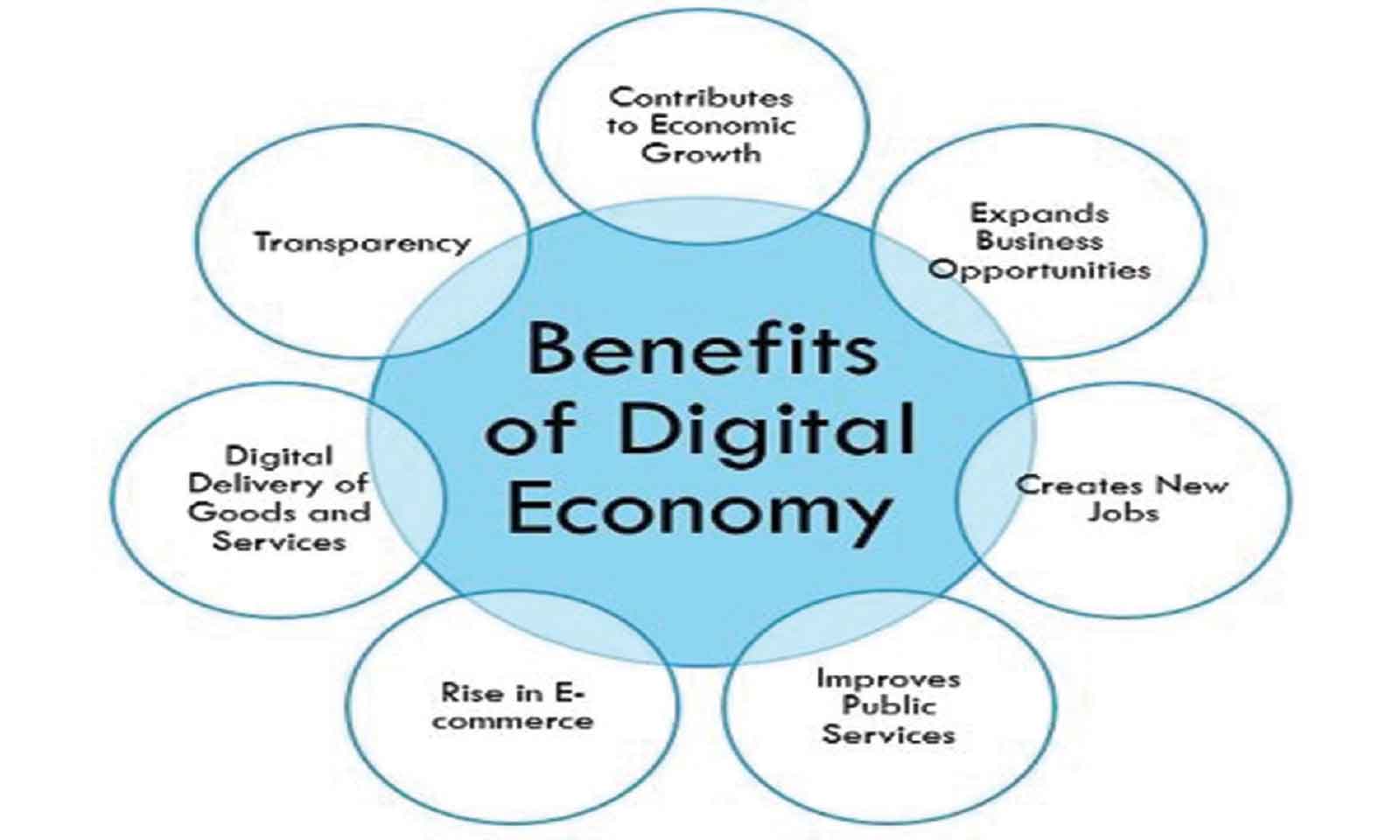
Jimmy Murwira
Zimbabwe is in a transformative moment where digitalisation is no longer a luxury, but an essential driver of national development.
As economies across the globe shift toward cash-lite systems, digital payments, and technologically integrated markets, Zimbabwe must position itself firmly within this global wave.
The recent introduction of a cash withdrawal levy has sparked national debate, yet beyond the controversy lies an opportunity: the chance to accelerate the country’s transition into a modern, efficient, transparent digital economy.
A digital-first economic model is not just about convenience. It is about creating an ecosystem where transactions are safe, accountable, cost-effective and supportive of sustainable economic growth.
As the world becomes increasingly interconnected through technology, the digital economy forms the foundation upon which nations build competitiveness, enhance service delivery, and empower their citizens.
It is within this context that the cash withdrawal levy if complemented with the right policies could help reshape Zimbabwe’s economic future.
The digital economy plays a central role in the functioning of modern societies.
It links citizens, businesses, Government institutions and international markets seamlessly. It drives innovation, makes economic systems more resilient and reduces inefficiencies that previously hindered progress.
For Zimbabwe, the advantages are far-reaching.
A digital economy improves transparency and reduces corruption because digital payments leave clear records and limit opportunities for illicit transactions.
It also enhances personal and financial security by reducing the need to carry physical cash, which is vulnerable to theft or loss.
Moreover, digital transactions are faster, more convenient, and eliminate many of the costs associated with traditional cash-based systems.
The rise of digital platforms also expands financial inclusion.
Mobile money, online banking, and fintech services allow more citizens, including those in rural areas, to access financial services without relying on physical bank branches.
This creates more opportunities for economic participation and bridges gaps that have historically excluded large populations from formal systems.
In addition, a thriving digital economy empowers young people, who are naturally inclined towards technology, giving them access to entrepreneurial opportunities, online work, and innovation-driven prospects.
While the cash withdrawal levy has been met with mixed reactions, it carries the potential to encourage a shift that Zimbabwe has long needed.
Excessive reliance on physical cash in previous years has fuelled informal activity, shrunk the tax base and placed strain on financial institutions.
The levy acts as a gentle nudge, encouraging citizens and businesses to adopt digital systems.
As large cash withdrawals become less attractive, more money remains in the banking sector, cash hoarding declines, and the formal economy strengthens.
A well-designed digital environment ensures that money circulates productively, supporting liquidity, economic stability, and more predictable fiscal planning.
The levy also introduces a new revenue stream for Government, which, if managed responsibly, can support infrastructure development, technology investment and improved public services.
There are, however, important concerns that must be acknowledged in this transition.
Many low-income individuals still rely heavily on cash transactions, and any increase in withdrawal costs could disproportionately affect them.
Policies aimed at promoting digital usage must not overlook the needs of vulnerable communities.
Another potential challenge is the risk of driving some citizens and businesses further into the informal sector if digital systems are perceived as expensive, unreliable, or inaccessible.
Additionally, gaps in digital infrastructure such as inconsistent network coverage and electricity supply must be addressed to ensure a smooth transition.
Without adequate cybersecurity measures, digital platforms may also expose users to new risks, undermining public trust.
A successful move toward a cash-lite, digitally enabled economy requires deliberate government action.
Expanding digital infrastructure nationwide is essential so that all citizens have access to stable connectivity and reliable power.
Making digital payments affordable is equally important to encourage widespread adoption.
Strengthening cybersecurity, promoting digital literacy, and educating the public about safe digital practices will build confidence in the system.
Encouraging businesses to adopt digital tools through incentives, simplified regulations, and improved access to technology will support broader economic integration.
Enhancing ease of doing business through simplified registration processes, digital tax systems, and efficient online government services will reduce operational burdens and support economic growth.
The Government must also ensure that its own financial systems and service delivery processes are digitised and transparent.
When citizens see efficiency and accountability at the institutional level, trust in digital transformation grows.
Clear communication, citizen engagement, and policy consistency will play a critical role in ensuring that digital reforms are embraced rather than resisted.
Zimbabwe’s transition towards a cash-lite digital economy is not just a policy direction, but it is a national necessity.
The benefits are extensive: improved efficiency, reduced corruption, enhanced financial inclusion, stronger economic resilience, and greater global competitiveness.
While challenges exist, they can be overcome with thoughtful policies and inclusive strategies.
With the right investments, forward-looking leadership, and a clear commitment to easing the cost of doing business, Zimbabwe can unlock the full potential of its digital future.
A digital economy is not merely a vision for tomorrow. It is an essential path toward sustainable growth today, and Zimbabwe stands to benefit significantly by embracing it with determination, innovation, and inclusivity.