Kuda Bwititi in Beijing, China
DIGITAL hybridisation, which combines China’s advanced e-commerce systems with Africa’s flexible informal trading networks, could unlock new opportunities for small-scale traders and strengthen trade cooperation between the two regions, a regional expert has said.
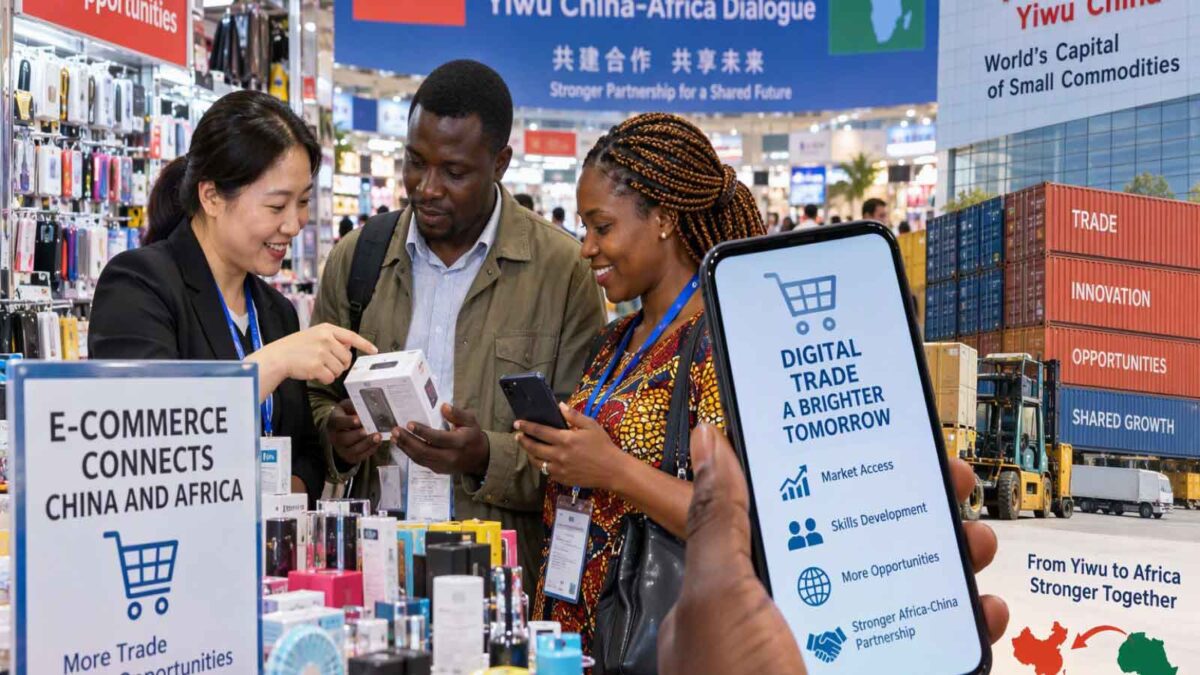
Southern African Research and Documentation Centre (SARDC) executive director Mr Joseph Ngwawi said the growing interaction between China’s commercial ecosystem, particularly in Yiwu, and Africa’s informal markets was creating new business models that could transform small-commodity trade.
Addressing the Yiwu China-Africa Dialogue held in Yiwu City at the weekend, Mr Ngwawi said small-commodity trade remained a critical component of economic activity across Africa.
He described the sector as the “hidden backbone of trade”.
Mr Ngwawi said Yiwu, widely recognised as the world’s leading small-commodities trading city, offered a commercial model that could effectively respond to the needs of African traders, particularly those operating with limited capital.
“The Yiwu mode matters because of flexibility, small-batch production, rapid fulfilment of orders, thousands of product categories, scale and relationship-driven commerce,” he said.
Yiwu City’s commercial ecosystem, which has more than 75 000 stalls, provides access to a wide range of products, allowing traders to source merchandise in line with changing market preferences.
Mr Ngwawi said these characteristics made Yiwu a natural trading partner for African informal markets.
“This is a perfect match for a stronger trade partnership,” he said.
He said the next phase of cooperation would depend on how effectively traders embraced digital technologies to connect the two markets.
Pointing to China’s rapidly expanding digital commercial ecosystem, Mr Ngwawi said the interaction between these systems was creating what he termed “digital hybridisation”.
He explained that the process involved continuous communication between African traders and Chinese suppliers, allowing both sides to exchange market information and adjust their business operations accordingly.
“As African traders share real-time market insights with Chinese suppliers, both sides learn and adapt, creating an ongoing process of cross-learning and business innovation between Yiwu and Africa,” he said.
He said the approach could expand market access, create new export opportunities for Chinese manufacturers, facilitate skills transfer in digital marketing and supply-chain management, and promote regional integration through digital platforms.
It could also encourage entrepreneurship and product co-creation, as suppliers respond more directly to consumer preferences in African markets.
However, Mr Ngwawi warned that several obstacles could undermine the potential benefits, including unequal access to technology, logistical bottlenecks, fragmented regulations, limited financing, and language and cultural barriers.
He said market volatility and the risks associated with informalisation also required attention.
To address these challenges, he called for closer cooperation among governments, digital platforms, businesses and development institutions.
He also called for targeted support for African small and medium enterprises to strengthen their digital capabilities.