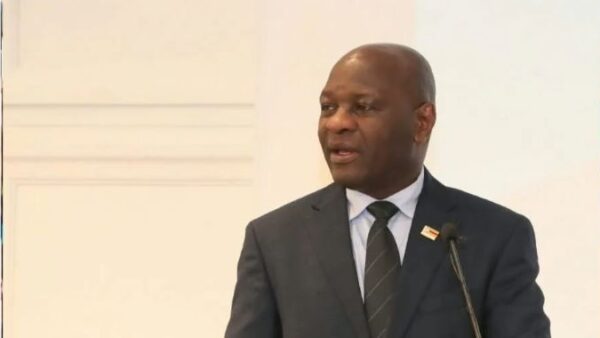
Tafadzwa Zimoyo in Seoul, South Korea
THE future of entertainment is no longer confined to the stage, cinema screen, or television studio, as it is increasingly shaped by digital intelligence, creative innovation, and collaborative spaces.
From music videos and live-streamed concerts to artificial intelligence-generated content and digital story-telling, the entertainment industry is undergoing a transformation that is changing how talent is discovered, productions are developed, and audiences consume creative content.
For Zimbabwe, where music, fashion, film and live entertainment continue to provide opportunities for young creatives, lessons from South Korea’s technology-driven entertainment industry could help unlock new possibilities for local talent.
This emerged as a prominent theme during the Bridging The Gap Foundation’s ongoing educational and entertainment study tour in South Korea, which offered an opportunity to explore how technology, creativity and professional collaboration can contribute to the growth of the entertainment sector.
South Korea has established an influential global entertainment presence through K-pop, television dramas, film, gaming and digital content.
Its experience demonstrates how local creative products can cross geo-graphical boundaries when supported by innovation, strategic production and effective distribution.
The country’s entertainment success also highlights the importance of looking beyond talent alone. Developing a competitive creative industry requires production infrastructure, technical expertise, marketing, digital distribution and environments where different creative disciplines can work together.
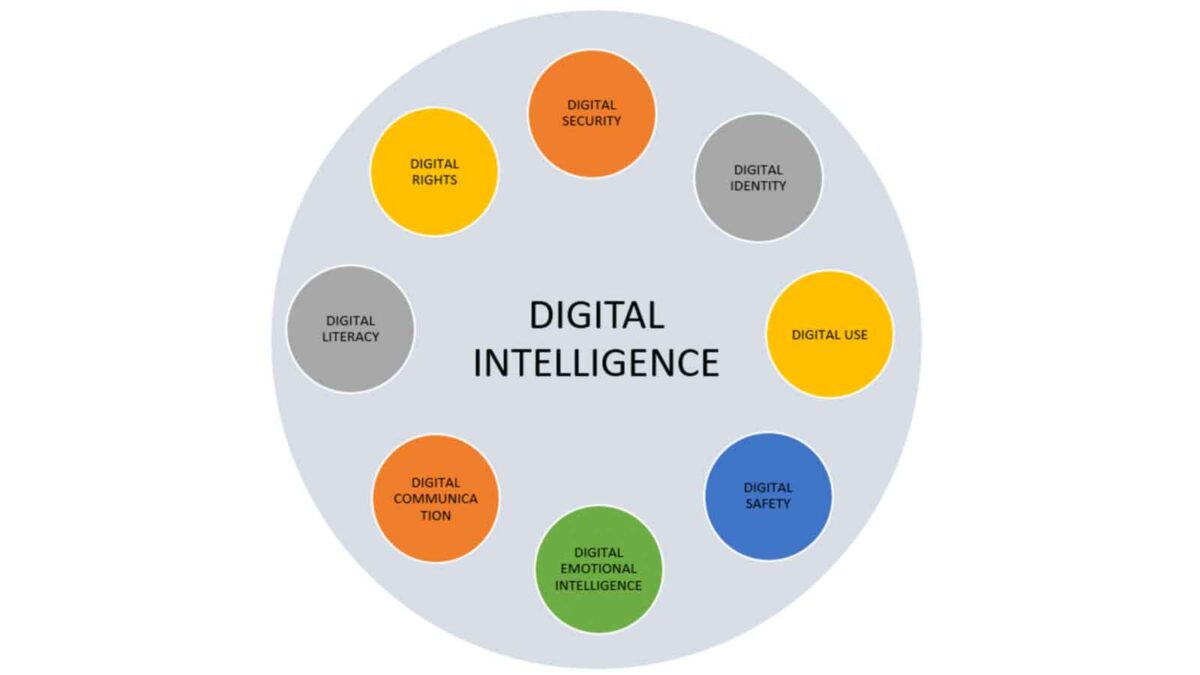
Digital intelligence is becoming a significant part of this equation.
Artificial intelligence and other digital tools are changing music production, video editing, animation, visual effects, audience research and content marketing.
Artists and production teams can use these technologies to experiment with new sounds, develop visual concepts, create promotional material and understand audience preferences.
For musicians, this could mean using digital platforms to reach international listeners without depending entirely on traditional distribution channels.
Filmmakers can explore new production techniques, while fashion designers and stylists can use digital storytelling to showcase their work to audiences beyond Zimbabwe.
However, technology is a tool rather than a replacement for creativity.
Originality, artistic vision, performance and cultural identity remain central to producing entertainment that resonates with audiences.
Creative spaces are equally important in turning ideas into commercially viable productions.
These spaces bring together musicians, producers, directors, choreographers, photographers, designers, sound engineers and digital creators to exchange ideas and develop projects