Chronicle Editor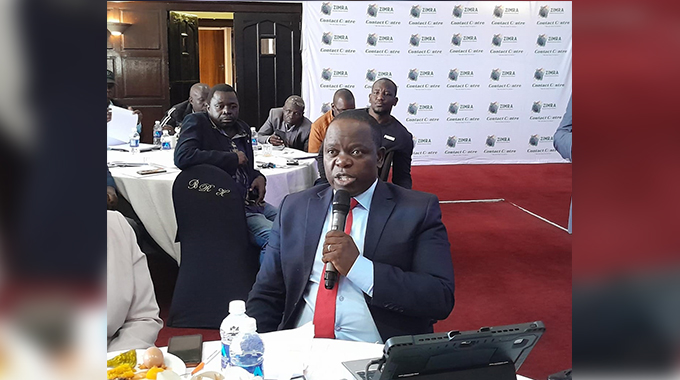
Sikhulekelani Moyo, [email protected]
THE Zimbabwe Revenue Authority (Zimra) says the deployment of digital strategies has started bearing positive results in its operations as it continues to embrace innovative solutions to promote tax compliance, reduce smuggling and improve domestic revenue collection.
In a presentation during a breakfast meeting with editors in Bulawayo yesterday, Zimra Information Communication Technology (ICT) director, Mr Shami Moyo, said the recent introduction of the drone border management system has unearthed new methods of smuggling goods into the country such as the use of abnormal loads,which in the past were not easy to detect.
“We are probably the first if not one of the first authorities to introduce drone border management in Africa. We have drones now that are helping us to manage the borderline. Our borderline is very big and we are now using drones to manage the border during the day and at night,” he said.
“We also introduced what we call the Zimbabwe Electronic Single Window to promote ease of doing business by trying to eliminate human interfaces and interactions.”
Mr Moyo said the Zimbabwe Electronic Single Window provides a single platform for importers and exporters to access services from different Government agencies as opposed to engaging different agencies.
“The importers or exporters might want permits, licences, certificates and other such documents, which can all be obtained by interacting with one single point as opposed to engaging different Government agencies,” he said.
Mr Moyo said the single platform approach has therefore enhanced service delivery as members of the public can access Zimra services at anytime of the day.
He said the drone border management system, which was introduced at Beitbridge Border Post, the busiest border post in Southern Africa, has proved very effective hence plans are underway to deploy the same technology to other border posts.
Zimra has also introduced electronic temporary import permit (TIP), which allows people working outside the country to process their permits before they get to the border.
Mr Moyo said this will reduce long queues at the borders as travellers just need to produce the clearance number and get their permit printed.
He said the big challenge that the authority was facing at busy border posts such as Beitbridge Border Post and Forbes Border Post was fighting transit fraud.
“We have had cases of traffic purporting to be in transit offloading goods in the country thereby evading paying duty. This has prompted Zimra to introduce the electronic cargo tracking system, which enables the revenue authority to monitor the movement of trucks on transit until they leave the country,” said Mr Moyo.
Zimra plays a critical role of collecting tax revenue, which is used to fund most Government development programmes hence the measures being taken to improve domestic revenue collection.
In a bid to improve revenue collection, the United Nations Development Programme (UNDP) has partnered Zimra to promote sustainable revenue collection to raise funding towards Sustainable Development Goals (SDGs), Africa Agenda 2063 and the National Development Strategy 1 (NDS 1).
Speaking at the same event, UNDP national co-ordinator, Mr Melusi Tshuma said in order to improve revenue collection to fund SDGs, there was a need for effective tax policies, use of media to create awareness on tax compliance as well as promote domestic resource mobilisation.
He said there was a need for domestic resource mobilisation to fund infrastructure development and other Government expenditures.
“Low domestic resources mobilisation severely affects efforts to achieve SDGs, national strategies and the development of any government,” he said.
UNDP is assisting countries to enhance domestic resource mobilisation through modernising tax collection systems to ensure effective tax collection and administration.
In his closing remarks, Zimra corporate affairs executive, Mr Gladman Njanji said the media plays a key role in public information sharing and urged editors from different media houses to assign reporters to cover different issues to do with tax revenue in order to promote tax compliance.
Mr Njanji said the country can only realise its vision of an upper middle-income economy by 2030 if there is a strong tax compliance, which will enable the country to fund different development initiatives.
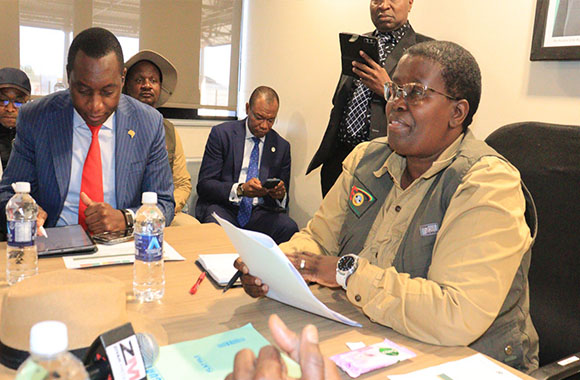
Editors from different media houses based in Bulawayo attended the meeting. —@SikhulekelaniM1



 Online Reporter