Online Reporter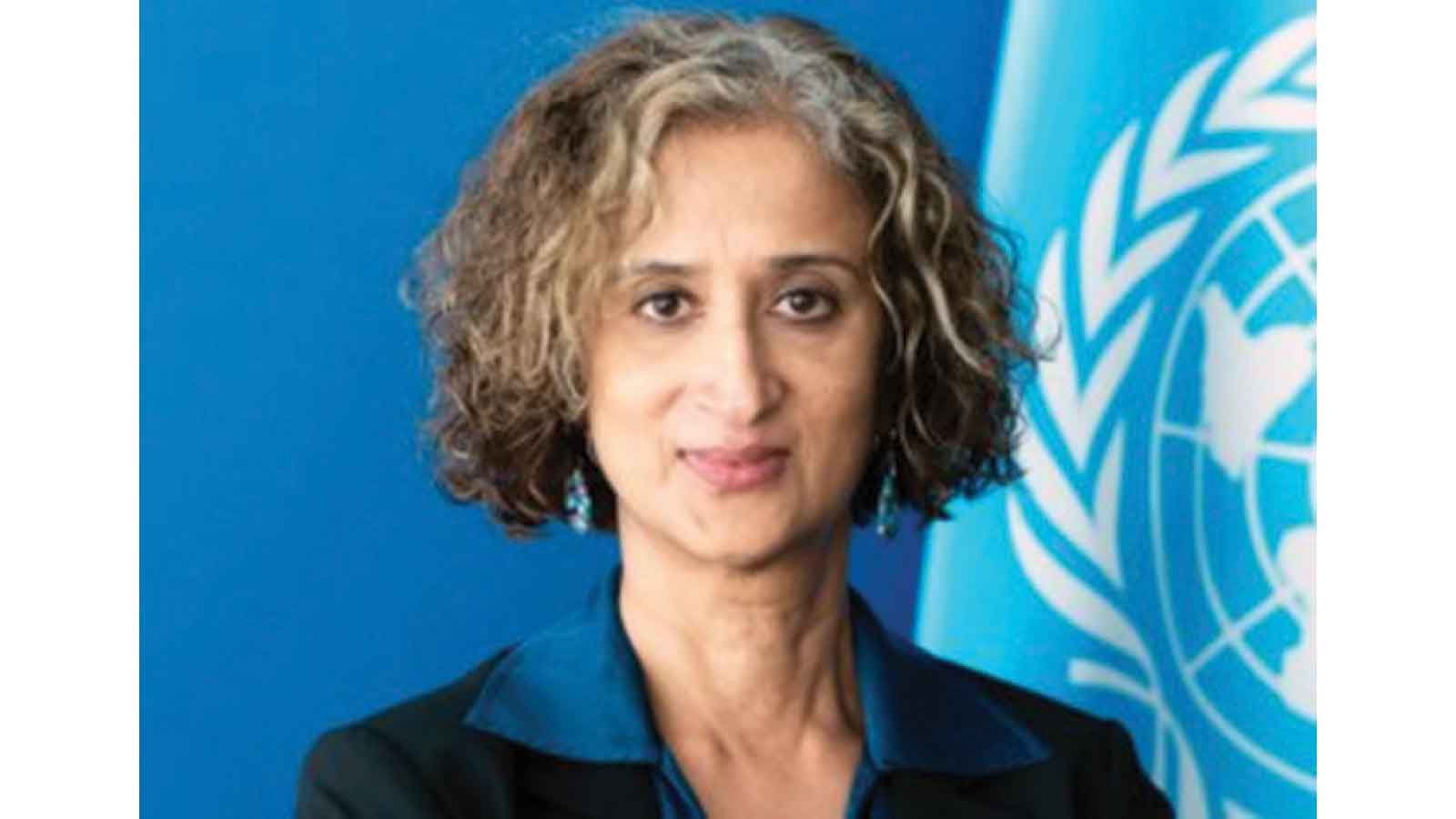
Statement by the United Nations Resident Coordinator in Zimbabwe on International Albinism Awareness Day
13 June 2026 | Harare
Today, as we mark International Albinism Awareness Day, I am reminded—both personally and in my role with the United Nations in Zimbabwe—that dignity, equality, and human rights are not abstract ideals. They are commitments we have made, through the UN Charter, to uphold for every person, everywhere—including persons with albinism.
This day is both a moment of celebration of diversity and a moment of reflection. Since its establishment by the United Nations in 2015, it has helped bring visibility to the realities faced by persons with albinism.
This year’s theme, “Proudly in My Skin: Celebrating All Skin Tones,” is a powerful affirmation that no one should face discrimination, exclusion, or fear because of who they are or how they look.
And yet, we know that for many persons with albinism, being proud of one’s identity still requires courage.
Prejudice, stigma, and harmful myths continue to shape daily realities—limiting access to education, healthcare, employment, and full participation in society.
These are not only barriers to inclusion; they are violations of fundamental rights.
Globally, an estimated one in every 17 000 to 20 000 people has some form of albinism.
In sub-Saharan Africa, the prevalence is significantly higher, reaching as much as one in 1,000 in some populations.
According to the 2022 Population and Housing Census, more than 9 700 Zimbabweans have albinism.
Many face preventable health risks, particularly skin cancer and visual impairment, often due to limited access to essential services such as sunscreen, protective clothing, screening, treatment, and eye care.
These are not luxuries—they are basic needs, central to the right to health and to life with dignity, safety, and equal opportunity.
Beyond health, the inclusion of people with albinism in education, employment, healthcare, and community life continues to be affected by harmful myths, misinformation, discrimination, stigma, and entrenched social attitudes. These barriers not only violate individual rights but also weaken broader efforts to build inclusive and equitable societies.
At the same time, I am encouraged by the progress we are seeing. Stronger legal frameworks, including the recent Zimbabwe Persons with Disabilities Act, and the tireless advocacy of organisations of persons with albinism—such as the Albinism Dare to Dream Initiative, the Zimbabwe Albino Association, and the Alive Albinism Initiative—have helped advance visibility and recognition of rights across the country.
These gains show that meaningful progress is possible when governments, communities, civil society, and development partners work together.
These efforts remind us that change is possible—when we listen, when we act, and when we stand together.
But we must go further.
Advancing the rights of persons with albinism is central to our shared commitment to the Sustainable Development Goals and to leaving no one behind.
A society that excludes some cannot truly prosper: progress towards quality education, good health and well-being for all, and peaceful and inclusive societies will remain incomplete if persons with albinism continue to face discrimination and exclusion.
Inclusion is not only a moral imperative; it is the foundation of sustainable development and social justice.
The United Nations in Zimbabwe reaffirms its commitment—guided by the UN Disability Inclusion Strategy, now evolving from its initial phase of institutional accountability towards deeper, system-wide transformation—and by the Convention on the Rights of Persons with Disabilities.
As the Deputy Secretary-General has reminded us, advancing inclusion is “a matter of dignity, of humanity, of human rights… a test of our common values.”
In this spirit, we will continue to work alongside Government, civil society, organisations of persons with disabilities, faith leaders, and communities to:
• Expand access to essential health services, including affordable sunscreen
• Strengthen public education to challenge harmful myths and stigma
• Promote inclusive education, employment, and social protection
• Ensure protection, accountability, and full participation of persons with albinism
We also call for sustained efforts to align national actions with the African Union Plan of Action on Albinism in Africa (2021–2031), which provides a comprehensive framework for advancing protection, inclusion, access to services, and accountability across the continent.
On this International Albinism Awareness Day, I call on all Zimbabweans to reflect on the kind of society we want to build:
➢ A society where no one’s safety depends on how they look
➢ A society where diversity is not feared, but embraced
➢ A society where every person can live freely, contribute fully, and be seen—truly seen—for who they are
Together, let us renew our commitment to make that vision a reality. — UN Zimbabwe