

 admin
admin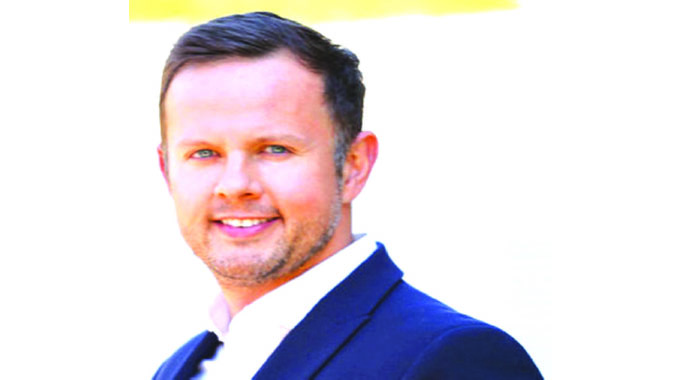
The Second Republic has made tremendous strides to engage and re-engage all countries of the world. After decades of isolation from the global terrain, the Zimbabwe is Open for Business mantra has unlocked various opportunities since the inception of the New Dispensation. In this report, Sifelani Tsiko (ST), Agric, Environment & Innovations editor speaks to chairperson of the #HeForShe Campaign Group for Diplomats Mr Giles Enticknap (GE), who is also the deputy Head of Mission at the British Embassy, about how diplomats have inspired the global campaign spearheaded by the United Nations Women, aimed at calling for men and boys to recognise and ensure that they use their clout to enable gender equality in Zimbabwe. This year’s HeForShe Summit for diplomats and business leaders held at the National Gallery of Zimbabwe was made possible through the support of the European Union Funded Spotlight Initiative a partnership programme between EU and the United Nations.
***
ST: What are your 2021-22 plans/commitments as a #HeforShe champion in Zimbabwe?
GE: There is a lot that the UK is doing in Zimbabwe. We are long-term investors in the delivery of essential services for GBV survivors. Just last year, our support ensured that over 10 000 survivors of sexual and gender-based violence accessed critical health services within 72 hours. We are investing heavily in preventing gender-based violence and address the drivers of child marriage — including dedicating over £7 million to our SAFE (Stopping Abuse and Female Exploitation) programme in Zimbabwe.
ST: Can you briefly tell us what the SAFE programme is all about in Zimbabwe?
GE: SAFE takes a ground-breaking approach to GBV prevention. It fuses community interventions with household economic empowerment, involving men and boys, community and faith leaders. It also provides essential services for survivors of abuse, enabling them to report violence and access the medical, legal and psychological support they need.
ST: What other programmes have you invested in to support women and girls in Zimbabwe?
GE: We have moved to also invest in other programmes vital to empowering women and girls. To take education programming as an example, since 2012, we have supported nearly 60 000 girls from disadvantaged backgrounds with school bursaries, and many more have been equipped with the vital knowledge and skills they need to succeed.
ST: What is the significance of the #HeForShe Campaign Group for Diplomats and what will be its focus this year (2021-22)?
GE: The focus of the British Embassy’s leadership of #HeForShe this year has been to support debate and awareness raising around sexual harassment, exploitation and abuse of women.
Sexual harassment deprives women and girls of the right to participate in all areas of life on an equal footing, and severely diminishes their opportunities to achieve their potential.
We support measures to better understand and address the causes and consequences of sexual harassment, including measures to introduce legislation, increase accountability and ensuring that women are well supported.
No one should have to suffer in silence. This year, we have worked with our partners in the Legal Resources Foundation to stimulate debate around making positive, concrete changes, in particular stimulating debate among organisations such as private sector companies and universities around what they can do, and are doing, to identify and address harassment and abuse — for example through policies, systems, and organisational culture change.
Men have a fundamental role to play in these efforts, in making positive changes in their own behaviours, and in influencing other men to do the same — this is why #HeForShe has such an important part to play in supporting this agenda.
More generally, the British Embassy in Zimbabwe supports a broad range of programmes to tackle gender inequality and promote women’s rights.
ST: What are some of the UK’s achievements in advancing gender equality and women’s empowerment and global partnerships?
GE: The foreign secretary has put women and girls at the heart of the UK’s foreign and development policy. The UK has prioritised action guided by the 3E’s: ‘Educating Girls, Empowering Women and Ending Violence against women and girls.’ This includes work to fulfil every girl’s right to 12 years of quality education, to empower women socially, economically, and politically, to end violence against women and girls, including a major new push to shatter the culture of impunity around sexual violence in conflict, and to champion sexual and reproductive health and rights.
In November 2021, the foreign secretary further stepped up the UK’s global leadership on ending violence against women and girls, announcing a new package of funding of over £22 million to end child marriage, support survivors, and fund women’s rights organisations on the frontlines of tackling violence.
A commitment to explore all options for global action to condemn sexual violence in conflict, including a new international convention and major global conference this year.
At the UK’s successful hosting of COP26 Gender Day last year, we were proud to announce £165 million to tackle climate change and gender inequality hand-in-hand, including by empowering grassroots women’s groups to challenge gender inequalities and adapt to the impacts of climate change.


 Bongani Ndlovu
 Online Reporter