Sundaymail Editor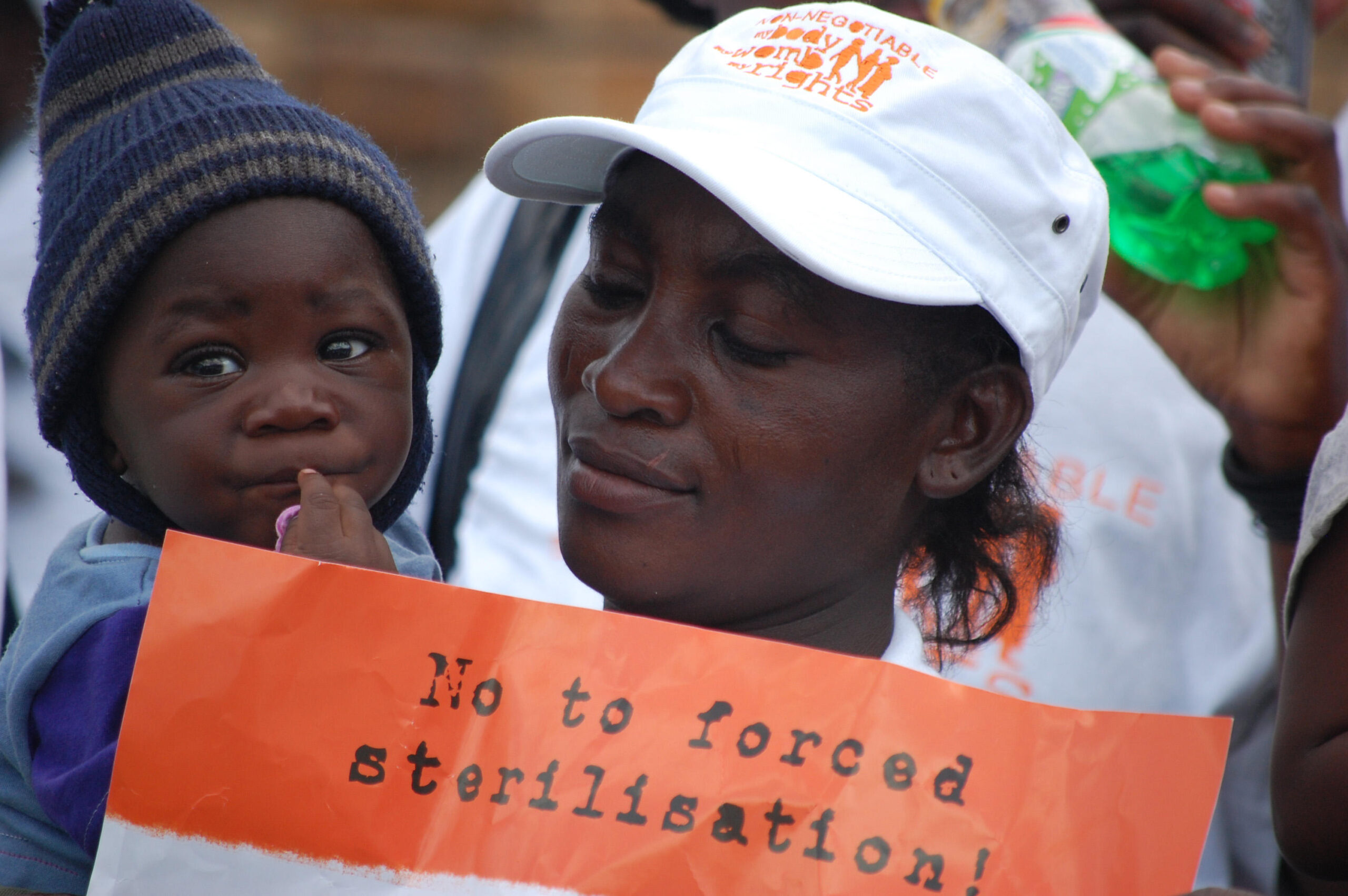
Disability Issues
Dr Christine Peta
IN this article, I unpack the human rights approach which is the last of the three models that form part of the conceptual framework in which the National Disability Policy (2021), which was launched by President Mnangagwa on June 9 this year, is grounded.
The Ministry of Public Service, Labour and Social Welfare, led by Professor Paul Mavima, oversees the implementation of the National Disability Policy, thus using the policy’s three lenses (the social model of disability, the intersectional model and the human rights approach) to push forward the national disability agenda.
The social model of disability and the intersectional model have already been explained under this column, in previous articles that form part of this series. I, therefore in this article, unpack the human rights model which is the third and last approach under which the National Disability Policy (2021), is grounded.
So what are human rights?
The National Disability Policy of Zimbabwe (2021) states that human rights are rights inherent in all human beings, regardless of age, disability, race, sex, nationality, ethnicity, language, religion, or any other status. This means that all people including persons with disabilities have human rights by virtue of just being human beings.
Persons with disabilities and persons without disabilities are part of the same society and they have the same rights and obligations. Human rights can therefore not be given by any one person to another, because people are born with their human rights.
Human rights are many and they include the right to life and liberty, freedom from slavery, and torture, freedom of opinion and expression, as well as the right to work and education. Everyone is entitled to these rights, without discrimination. Under the human rights approach, persons with disabilities are regarded as rights-holders and not as sick and passive persons (medical model) or good for nothing people that should just wait to receive donations from well-wishers (charity model).
Within a context of disability, the human rights approach directs the full and equal enjoyment of all human rights by persons with disabilities as well the promotion and respect of their inherent dignity.
The approach also focuses on equal opportunities, non-discrimination on the basis of disability as well as active and meaningful participation of persons with disabilities in society.
Some people think that the rights of persons with disabilities are special rights, yet they are basic human rights that are similar to everyone else’s rights on the basis that we are all human beings.
The United Nations Human Rights Office of the High Commissioner notes that, worldwide persons with disabilities often experience marginalisation and discrimination and barriers that restrict them from participating in society on an equal basis with others.
For example, persons with disabilities are commonly denied their right to be included in the general school system and the workplace, to live independently in the community, to vote, to participate in sport and cultural activities, to enjoy social protection, to access justice, to choose medical treatment and to enter freely into legal commitments such as buying and selling property.
Research undertaken in Zimbabwe revealed that some people think that by giving food and drink to children with severe disabilities they are doing them a favour, yet just like everyone else, children with severe disabilities have a right to life, hence their basic survival needs have to be met, regardless of disability.
Some parents who give birth to children with severe disabilities deny the children food and drink, in an effort to speed up the death of the children, alongside a fallacious belief that their lives will amount to nothing on the basis of disability. Such practices are a serious violation of the right of children with severe disabilities to life.
Another example of a violation of the rights of persons with disabilities, is related to women and girls with disabilities who may experience forced sterilisation at the instigation of family members. Whilst just like every other woman or girl, females with disabilities may experience medical problems such as diseases of the biological reproductive system, that may require sterilisation, such procedures should still be undertaken with the informed consent of the affected persons.
Some persons “fear” that if their family members with disabilities begin to have biological children, the offspring will be an additional burden to the family. Yet, according to the human rights approach and as clearly stated in the United Nations Convention on the Rights of Persons with Disabilities (2002) and the National Disability Policy of Zimbabwe (2021), persons with disabilities have a right to have their own families and to decide on the number and spacing of their own children.
Forced sterilisation is thus a serious violation of the reproductive rights of women and girls with disabilities. Even if family members may later on change their minds, the forced sterilisation of women and girls with disabilities is not a reversible medical procedure. More so, the procedure has serious physical, psychological and social consequences.
Way forward
We all need to realise that the rights of persons with disabilities are not special rights, but they are basic human rights that are similar to everyone else’s rights on the basis that we are all human beings. We therefore need to work together to promote, protect and respect the rights of persons with disabilities, thus guarding against violating the rights of persons with disabilities.
As stated in the National Disability Policy, disability is a cross-cutting interdisciplinary issue, so in all we do in all sectors, we need to consider the rights of persons with disabilities, including on issues of access to buildings, roads, transport and public facilities like schools, housing, hospitals, clinics and workplaces.
We also need to consider the rights of persons with disabilities when were are working on issues relating to access to information, communication and other services such as the internet and emergency services, public services that include healthcare and education and public institutions such as the justice system. Other public activities that include voting and advocacy.
Additional issues include employment, housing, food, community support, and assistive devices and many other issues that I have not mentioned in this article. The bottom line is that “disability is everywhere and disability is in everything” hence as directed by the National Disability Policy of Zimbabwe (2021) consideration of the rights of persons with disabilities in all sectors is an issue that requires serious attention.
Dr Christine Peta is a disability, policy, international development and research expert who is the National Director of Disability Affairs in Zimbabwe — she can be contacted on: [email protected]


 Online Reporter