

 Online Reporter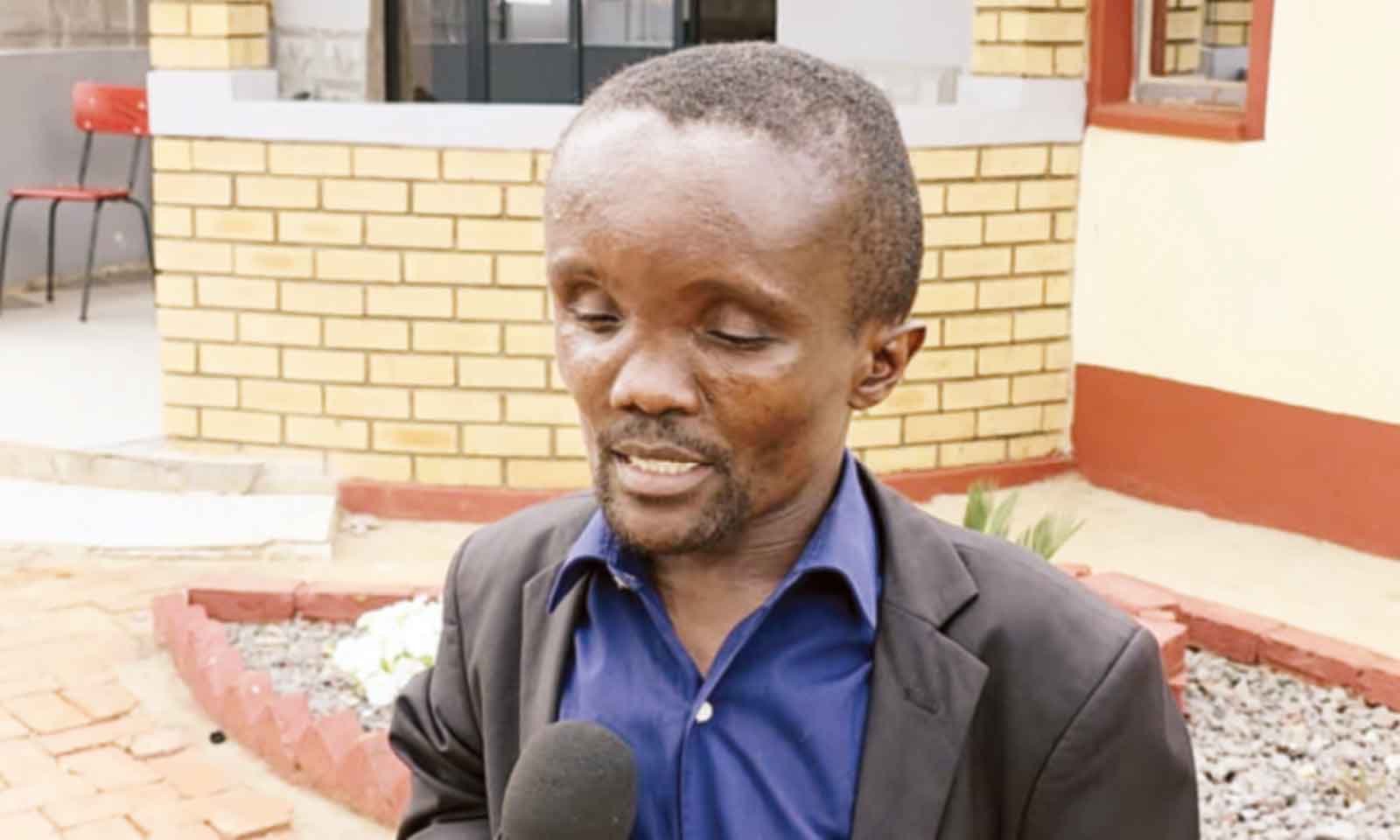
Conrad Mupesa
Features Writer
WHEN 39-year-old disability advocate and journalist Nyasha Nhau walks into high-level meetings at the African Union headquarters in Addis Ababa or participates in Commonwealth policy discussions, he carries with him more than a polished portfolio of global leadership.
He carries the dust of St Mary’s in Chitungwiza and Rimuka in Kadoma, the townships that raised, shaped, and embraced him before and after disability altered the course of his life.
Nhau is one of Zimbabwe’s most influential disability champions; a two-time Disability Journalist of the Year, AU Disability Ambassador, member of the Commonwealth Disability Inclusion Action Plan Steering Committee, and an adviser in crafting disability policies across Africa.
The Democratic Republic of Congo recently contracted him to draft its national disability policy, a task that follows his contributions to Zimbabwe’s Ministry of Primary and Secondary Education policy, and disability inclusion frameworks for the City of Harare and the Ruwa Local Board.
His rise, however, is anchored in a story far removed from international boardrooms, a story that begins in St Mary’s and later in Kadoma, under the guidance of his mother, the late Ms Bybit Nhau, and philanthropist and disability activist Mr Jimaya Muduvuri, whose belief in him never faltered.
He was born able-bodied, energetic and active like any other boy.
He spent his childhood at Shingai Government Primary School, diving fearlessly at makeshift soccer posts as a goalkeeper and serving as an altar boy at St Alois Roman Catholic Church.
Like many Catholic youths, he once dreamt of becoming a priest.
But when he was in Grade Five, his life changed, perhaps by fate.
“One of my legs began shortening,” he recalled.
“It started slowly, but worsened as I grew older.”
Doctors confirmed the condition was permanent when he was in Form One at Danhiko School for Persons with Disabilities.
His world dimmed, but not for long.
His mother stood firmly beside him, assuring him of God’s presence in every challenge.
She believed God had a greater plan for him.
In a community where disability often leads families to hide their children, Ms Nhau refused to let stigma cast a shadow over her son’s future.
She walked with him openly, sat with him in meetings, and taught him that leadership was not a burden, but a calling.
“I was raised by a whole community,” he said.
“I was fortunate. Even after my disability, they still saw me as the same Nyasha.”
He became known for his intelligence and maturity, often consulted by elders on community development matters. Early signs of the leader he would become.
“I wish all communities were like St Mary’s,” he said.
“So that persons with disabilities would never face stigma.”
Nhau’s advocacy began with grassroots activism, community awareness campaigns, and journalism centred on stories of people with disabilities.
His efforts gained national attention, earning him major accolades, including recognition from Amnesty International, Alive Albinism Initiative, Higherlife Foundation, and Shamwari yeMwanasikana, an award he shares with notable leaders such as Dr Strive Masiyiwa.
His network expanded as his voice grew louder. One of the key figures who supported his rise was businessman and philanthropist Mr Muduvuri, whose mentorship opened doors that once seemed unattainable.
Today, Nhau represents Zimbabwe in continental disability rights advocacy.
Through this role, and with partners like Limitless Solutions Global, he has helped secure international scholarships for students with disabilities, including placements at the European Business University of Luxembourg.
He also serves on the Commonwealth Disability Inclusion Steering Committee, mandated to help shape and oversee disability inclusion across 56 Commonwealth nations, with special responsibility for mobilising African state parties to support the emerging policy framework.
His growing expertise has positioned him as a Disability Policy Consultant across Africa, with the Democratic Republic of Congo becoming the latest country to seek his guidance in developing what is expected to be one of its most progressive disability policy documents.
“My success is never about ‘me’. It is about ‘we’. I rise with my brothers and sisters with disabilities,” he said.
Away from policy work, Nhau lives a life grounded in gratitude.
Despite his condition, he has built a loving home and is happily married, a testament to his belief that disability does not diminish humanity, dignity, or the capacity for joy.
“It is God who sustains me, and it is love that keeps me grounded,” he said.
He founded the Emancipate Disability Constituency Trust, an organisation established to complement Government efforts in ensuring no person with a disability is left behind.
Through this platform, he continues to groom young advocates, mobilise support, and advance inclusive development.
Yet, despite all his achievements, Nhau holds one dream close to his heart, a dream to meet President Mnangagwa and First Lady Dr Auxillia Mnangagwa.
“I would love to pay my respects. To share with them what we are doing to uplift persons with disabilities, and to express my gratitude for the Second Republic’s commitment to inclusion.”
It is a meeting he believes will happen, in God’s time.



