Liberty Dube
Tourism Correspondent
THIS summer, trade the familiar tourist trails for an adventure that takes you closer to nature, history and the living traditions of Zimbabwe’s Eastern Highlands.
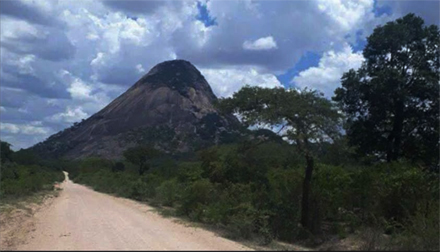
Rising majestically above the Bocha landscape in Marange, Mapembe Mountain offers a hiking experience with a difference.
Here, the reward is, not only the breath-taking scenery from the summit, but also the opportunity to explore a place where ancient traditions, wildlife and the cultural identity of the Marange people remain deeply intertwined.
Yes, Mapembe has a nature reserve, but this summer, visitors should look beyond the usual wildlife experience and embark on a guided hiking adventure up this remarkable mountain.
It is a destination for those who want to stretch their legs, challenge themselves physically, reconnect with the outdoors and discover a lesser-known part of Manicaland’s tourism heritage.
However, Mapembe is not an ordinary mountain.
It is a sacred ground, and every visit should begin with an appreciation of the cultural values that have protected it for generations.
For the Marange people, Mapembe holds profound historical and spiritual significance.
Local tradition associates the mountain with the burial places of Bocha kings, including Mambo Dongorere and Mambo Dambamuromo.
The precise locations of the royal graves remain secret, adding to the mountain’s mystery and reinforcing the need for visitors to approach the site with respect.
At the summit, caves and rock shelters are associated with traditional rain-making ceremonies held annually.
These practices demonstrate that Mapembe is more than a scenic attraction – it is a living cultural landscape where the natural environment and ancestral heritage intersect.
For hikers, this connection between nature and tradition makes the journey particularly meaningful.
The mountain is an opportunity to experience tourism that goes beyond sightseeing, allowing visitors to appreciate the beliefs, customs and historical memories that shape local communities.
The call to protect Mapembe gained momentum in the 1990s, when Odzi villagers agreed that the mountain should be safeguarded because of its rare beauty and cultural significance.
The Environmental Management Agency subsequently intervened to help protect the site and preserve its natural heritage.
Today, the reserve remains an important resource for environmental education and wildlife conservation, serving local communities as well as study groups from other areas.
Covering approximately 850 hectares, Mapembe Nature Reserve is located about 20 kilometres off the Mutare-Harare Highway, within the Nyagundi and Chikundu (Village R) Old Resettlement areas in Ward 34 of Mutare Rural District.
Its most striking feature is a granite dome rising to approximately 1 500 metres above sea level. The elevated position rewards adventurous visitors with expansive views of the surrounding countryside.
On a clear day, the landscape opens up to reveal distant landmarks, with Birchenough Bridge, roughly 120 kilometres away, reportedly visible from the mountain.
The scenery alone makes the destination worth exploring, particularly for travellers seeking outdoor experiences away from crowded tourist attractions.
Mapembe’s rugged granite formations, woodlands, grasslands and wetlands create a diverse natural environment that supports a variety of wildlife.
Animals found in the reserve include zebras, elands, kudus, bushbucks, duikers, monkeys and warthogs. Birdlife is equally fascinating, with species such as the black eagle, rock kestrel, peregrine falcon, lanner falcon, martial eagle, hornbills and Meyer’s parrot among those recorded in the area.
For birdwatchers, nature photographers and outdoor enthusiasts, a hike provides an opportunity to appreciate these natural features while learning about the importance of conserving fragile ecosystems.
The experience, however, begins long before the first step towards the summit.
Because Mapembe is a sacred site, hikers should consult local custodians and relevant authorities before visiting, preferably arranging their trip through people familiar with the mountain and its cultural expectations.
Visitors should seek guidance on appropriate conduct, permitted hiking routes, access arrangements and any restrictions relating to ceremonies, sacred spaces or other culturally sensitive areas.
Respecting these rules is essential. Hikers should not attempt to locate royal graves, enter restricted areas, disturb ceremonial sites or remove rocks, plants and other natural materials. Photography and filming should also be undertaken with sensitivity, particularly where cultural practices or sacred places are concerned.
Local guidance is especially important because some traditions surrounding the mountain are observed as part of the community’s spiritual life. Visitors should listen to the people entrusted with protecting the site rather than treating local customs as mere curiosities.
The mountain’s appeal lies partly in its legends and longstanding traditions, but a responsible tourism experience should celebrate these stories without sensationalising or undermining them.
As summer approaches, Mapembe presents an opportunity for families, hiking clubs, schools and adventure travellers to discover the richness of domestic tourism.
A well-planned visit can combine physical activity, environmental learning, cultural appreciation and an opportunity to support the communities that help preserve this special landscape.
Hikers should wear suitable footwear, carry sufficient drinking water, prepare for changing weather and avoid setting out alone or without appropriate local guidance. They should also leave the environment as they found it, ensuring that litter and careless behaviour do not threaten the reserve’s wildlife or natural beauty.
For Manicaland, destinations such as Mapembe demonstrate that tourism opportunities extend beyond established hotels, popular waterfalls and well-known mountain resorts.
There are places where the journey itself becomes an education, where a climb reveals more than a beautiful view, and where the visitor leaves with a deeper understanding of the people and traditions connected to the land.
This summer, consider taking the road less travelled into Bocha. Discover Mapembe Mountain, experience its remarkable landscape and appreciate the stories carried by its ancient granite heights.
Go for the hike, stay for the scenery and leave with a renewed respect for the cultural heritage that makes this destination unique.
Discover the sacred heights of Mapembe Mountain this summer