Online Reporter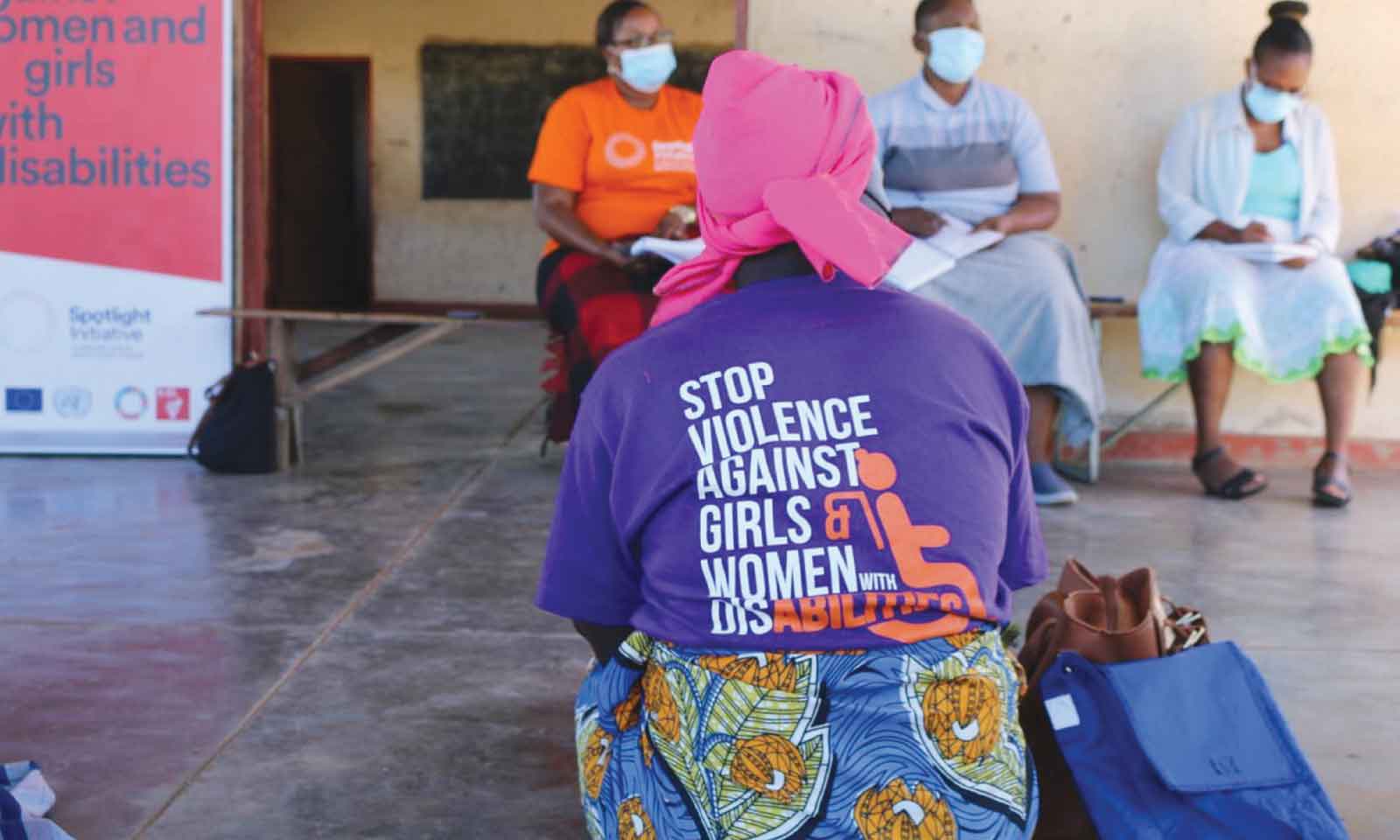
Features Reporter
WOMEN living with disabilities have opened the lid on a host of challenges, including violence, they have to contend with daily.
When they reach out for help, for information, for justice, they find themselves speaking into a void, created by a media landscape that, a new report reveals, has systematically erased them from the national conversation on gender-based violence.
That report, titled; “The Structural Silence” and published recently by Deaf Women Included (DWI), lays bare a truth, while gender-based violence (GBV) dominates headlines and newsroom discussions, the specific experiences of women with disabilities are treated as an afterthought — a “niche” issue, a “seasonal” story, rather than a core human rights crisis demanding urgent attention.
The findings are stark.
According to the audit, 75 percent of media houses surveyed said they report on GBV affecting women with disabilities only one to four times a year.
Not a single outlet covered the issue more than once a month. When women with disabilities do appear in GBV stories, it is a rarity — 83 percent of respondents said their inclusion was “rare” or only “occasional.”
In nearly half of the media outlets, stories focused on this group account for less than one percent of total GBV coverage.
For many women with disabilities, invisibility is only half the wound. The report found that two-thirds of respondents believe the media often blames survivors for the violence they suffer.
Nearly half described reporting as disrespectful. Such framing, the report argues, does not merely misrepresent — it reinforces stigma, deepens marginalisation, and sends a chilling message that their lives and dignity matter less.
But the barriers go beyond representation. Even when information is available, it remains locked behind walls that women with disabilities cannot scale.
The prohibitive cost of data and devices — were cited by 45 percent of respondents as the biggest barrier to accessing media content. Physical and sensory barriers follow close behind, a lack of sign language interpretation or captions on broadcasts excludes deaf women, while the absence of audio formats leaves visually impaired women in the dark.
For women with intellectual disabilities, complex language and jargon turn essential information into an impenetrable puzzle.
Only a fraction — 6,6 percent — strongly agreed that media language is simple and easy to understand.
These are not mere inconveniences. For a woman living in a rural area, with no access to sign language interpretation on a television broadcast about GBV support services, the consequences can be life-threatening.
Access to information is, in this context, access to survival.
The research, which combined surveys of 12 media professionals and 63 women with disabilities across urban and rural Zimbabwe, alongside focus group discussions and an accessibility audit, is grounded in the principles of intersectionality — the understanding that gender and disability overlap to create unique forms of discrimination.
It also draws on media justice, the idea that access to inclusive, accessible information is a fundamental right.
Deaf Women Included says the findings should jolt newsrooms and policymakers out of complacency.
The report outlines a roadmap for change, editorial reforms that prioritise survivor dignity and feature women with disabilities as experts, not merely victims; mandatory accessibility standards for sign language, captions, and plain language; journalist training in trauma-informed, rights-based reporting and dedicated budgets for accessible content production. It also calls for monitoring systems to hold media accountable.
As Zimbabwe charts its path toward Vision 2030, the fight against gender-based violence is often held up as a national priority. But The Structural Silence argues that this fight will never be truly won if the voices of the most marginalised continue to be muted.
“The silence is not accidental,” the report concludes. “It is structural. And it must be dismantled.”
For women with disabilities, the question is whether the media — with its power to shape narratives and influence change — will finally choose to listen.