admin
admin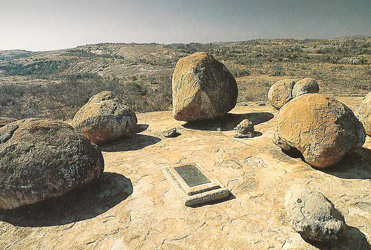
 Msilisi Dube
A LOT has been written and said about Njelele Shrine and what some Zimbabweans believe is, or was, its significance. The recent controversy and conflict emanating from yet another failed visit by a group of war veterans, has no doubt put the sacred cultural centre back again on the spotlight.
The war veterans had wanted to visit the place to perform some undisclosed rituals, but the traditional leadership in the area refused them permission to do that, arguing that this time of the year, people are now allowed to visit Njelele. The leadership, working with police, recently intercepted a convoy of buses ferrying the war veterans just before they arrived in Bulawayo en route to Njelele.
It is important to examine the monument’s cultural significance at this time in its history as a shrine that is revered not only in the country but across the country’s borders.
Located in the Matobo Hills in Matabeleland South Province, the shrine is usually visited at given months of the year when people from all over the country come together for rain-making ceremonies.
It is believed that the shrine is a sanctuary to the god of rain, Ngwali, who some Zimbabweans believe has extraordinary powers to bring rains.
Many people in this modern life think that the shrine is no longer useful. They argue that even though people go and ask for the rains, the heavens do not open up satisfactorily as per their requests. Even some traditionalists now acknowledge that Njelele Shrine has lost its power. They attribute this to some people whom they say do not respect Njelele and the rain-making god who purportedly resides there.
“In ancient times that mountain was only visited by the elders not the young people who engage in sexual activities every day,” said Mr Samson Ncube, a villager from Fumugwe Village in Matobo.
Mr Isaac Dube, a traditionalist from Njelele Village agrees with Mr Ncube on the age group of persons who were allowed to visit the shrine. He said in the olden days the shrine was a place where elders only used to go and report all problems bedevilling communities such as droughts, lightning bolts striking people and other natural catastrophes.
He said they would go to the shrine to apologise for society’s misdemeanours and other related issues.
“There used to be a voice coming out of the Njelele rock whenever spirit mediums went to present their concerns to Ngwali. However, that voice has since gone silent and that could have been caused by the way the sacred place is treated these days,” said Dube.
The custodian of Njelele, Mr Solifa Ncube (81), was last year quoted as saying that the shrine had lost its significance because of the unsanctioned visits of people from different places.
Last year a number of people, among them war veterans and some who called themselves traditional healers visited this shrine to perform some rituals. Their visit ended up in a war of words as local leaders attacked them for not informing them of their visit in advance.
Apart from being the place, some people believe, where the rain-making gods lived, Njelele Shrine was also a site where people would go to seek spiritual guidance before key national or community processes were done.
For example, before the 1948 general strike, the organisers of the country’s first national work stoppage, the likes of the late Vice President Joshua Nkomo (then a trade union leader as he worked for the Rhodesia Railways) and Grey Mabhalani Bango visited the shrine.
The rainy season is fast approaching and rains are expected in the next few days. In ancient times during this time of the year the village elders would have visited the shrine to submit their plea for rain but they have not done so yet.
So the question is “are the rain-making gods still resident there?” Does the place still have its power of old?
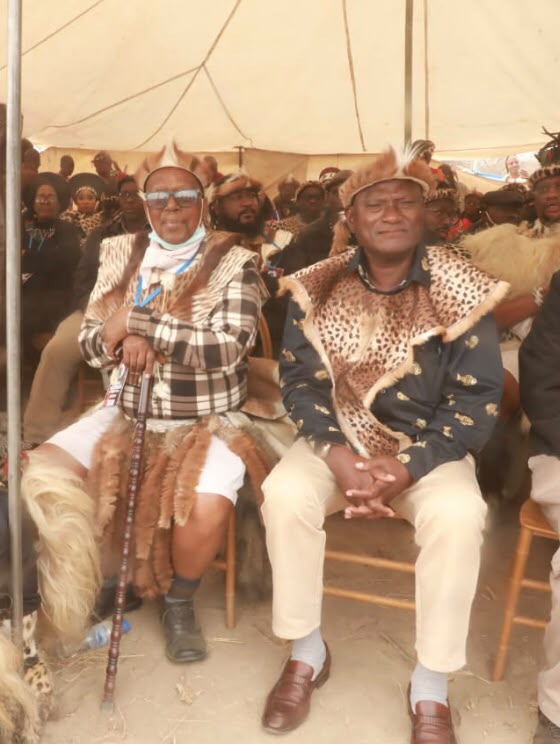
Chief Malaki Masuku under whose jurisdiction Njelele Shrine falls said Zimbabweans need to be educated about the cultural norms. He blames the fading of the place of worship to Zimbabweans disrespect of their traditional culture.
“We have many people in our nation like the Muslims and the Hindus who haven’t rejected their culture, beliefs and customs like what our children have done. The younger generation needs to be educated on African traditional beliefs.
“Some misfortunes which the country is experiencing are a result of the people’s rejection of their traditional African roots. Our children need to be taught on the importance of our traditional religion as Africans,” he said.
Chief Masuku further pointed out that it is true that the rain-making god no longer brings rain, mainly because people no longer respected him.
“You find a number of people from different places visiting this shrine. It is not wrong to visit but they have to uphold our cultural norms. On top of that shrine there is a pool which is used by people to bath.
“No soap should be used when bathing but these days people just use soap and then you expect rain to fall! Rain does not fall in time because we are stubborn; we do not want to uphold our culture. That mountain needs to be thoroughly cleansed and the ancestors appeased so that rain starts falling again. Failure to do so we will die of hunger,” said Chief Masuku.


 Online Reporter