dyton mupawaenda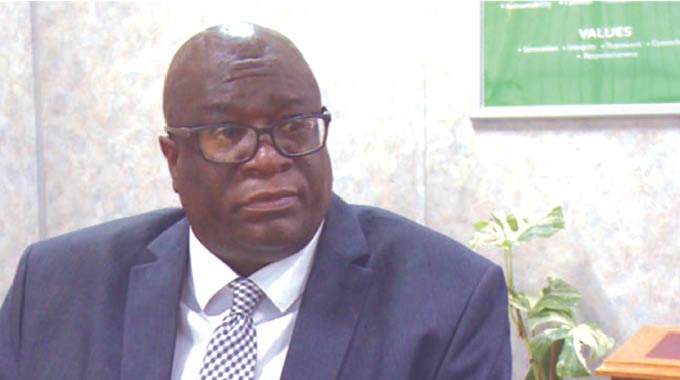
Nqobile Tshili-Bulawayo Bureau
THE adoption of a diversified energy mix has helped Zimbabwe ease the strain on the national grid as more corporates and individuals embrace alternative energy to curtail load shedding, especially during winter when power demand is high.
While the Government is seized with pushing large-scale investments in big power stations, household consumers and industries have recently increased investments in renewable sources such as solar.
The use of liquefied petroleum gas and biofuels for domestic purposes such as cooking has cut off reliance on the national grid for many households.
Recent official statistics show that Zimbabwe has seen an increase in LP Gas consumption with over 400 million kilogrammes of gas having been consumed between 2015 and March 2024.
Zimbabwe’s daily power generation hovers 1 400 megawatts against a national demand of over 1 600MW with the deficit being bridged by imports. The completion of the 600MW Hwange Thermal Power Station Unit 7 and 8 project last year has become a game changer in cushioning the country against load shedding at a time when power generation at the giant Kariba Power Station has been crippled by low water levels due to climate change.
The El Nino weather conditions have frustrated rains across Southern Africa, resulting in low inflows being recorded at Kariba Dam, forcing the Zambezi Water Authority to restrict power generation at the Kariba Hydro Power Station, which now produces less than 300MW against its installed capacity of 1 050MW.
Responding to written questions, Zimbabwe Energy Regulatory Authority chief executive officer, Mr Eddington Mazambani, said the adoption of various means of power sources has contributed immensely to electricity stability in the country.
He said hydro-power still contributes the highest electricity in the country at 50 percent followed by thermal power at 40 percent with renewables providing an additional 10 percent.
ZESA Holdings through its subsidiary, the Zimbabwe Power Company, remains the country’s major supplier of power.
“The energy mix in Zimbabwe has contributed to the reduction in load shedding in several ways. Importation of power: Zimbabwe imports power from neighbouring countries like Zambia, South Africa, and Mozambique, which has helped reduce load shedding,” said Mr Mazambani.
“Renewable energy sources: The introduction of renewable energy sources like solar, wind, and mini-hydro projects has added to the power generation capacity, reducing reliance on traditional sources and decreasing load shedding.”
He said the coming in of Independent Power Producers (IPPs) has had a significant impact on the country’s power supply as they are contributing 202MW to the national grid, diversifying the energy mix and reducing load shedding.
Mr Mazambani said most private companies were generating electricity from renewable sources like solar and wind. There has also been increased access to electricity in the country, especially through rural electrification programmes.
“Rural electrification programmes and distributed renewable solutions have improved access to electricity, reducing the strain on the grid and load shedding,” said Mr Mazambani.
He said the Rural Electrification Agency (REA) plays a pivotal role in spreading electricity to rural communications as it implements rural electrification projects, including mini-grid and off-grid solutions.
Mr Mazambani said biofuels were yet to make a significant contribution to power generation through crops like sugarcane, jatropha, and cotton seed. He said coal mining companies were also generating electricity, however, at insignificant levels.
He said Zimbabweans have become energy conscious, which has also seen a reduction in consumption of power as they conserve energy.
“Demand-side management programmes and energy-efficient initiatives have reduced energy consumption, alleviating pressure on the grid and decreasing load shedding,” said Mr Mazambani.
On improved grid management, he said upgrades and maintenance of transmission and distribution infrastructure have enhanced the grid’s capacity to manage power supply and demand, reducing load shedding.
Mr Mazambani said policy interventions have been critical in ensuring the country embraces alternative energy sources.
“There are policy plans to increase the use of alternative energy sources in Zimbabwe. These plans include the National Renewable Energy Policy (2019). This policy aims to increase the share of renewables in the energy mix by creating incentives from supply to distribution and demand in both urban and rural settings,” he said. Under the National Development Strategy (NDS1: 2021-2025), Zimbabwe is to increase its power supply from renewable energy sources to 1 100 MW by 2025. Government has also created fiscal incentives to lure new investments in alternative energy sources.
The conducive policy environment has seen several mining companies establishing solar plants, which has enabled them to be power self-sufficient while selling the excess to the national grid.
Caledonia group’s Blanket Mine in Gwanda last year commissioned a 12MW plant while PPC Zimbabwe is in the process of building a 10MW plant in Bulawayo and another 20MW in Colleen Bawn.
“Government offers fiscal incentives such as Build-Own-Operate-Transfer arrangements, Build-Own-Transfer arrangements, National Project Status, tax incentives, negotiable tax holidays, and Prescribed Asset Status to renewable energy projects,” said Mr Mazambani.
“Solar equipment can be imported duty-free, making it easier for investors to set up solar power plants.”


 Online Reporter