


 Online Reporter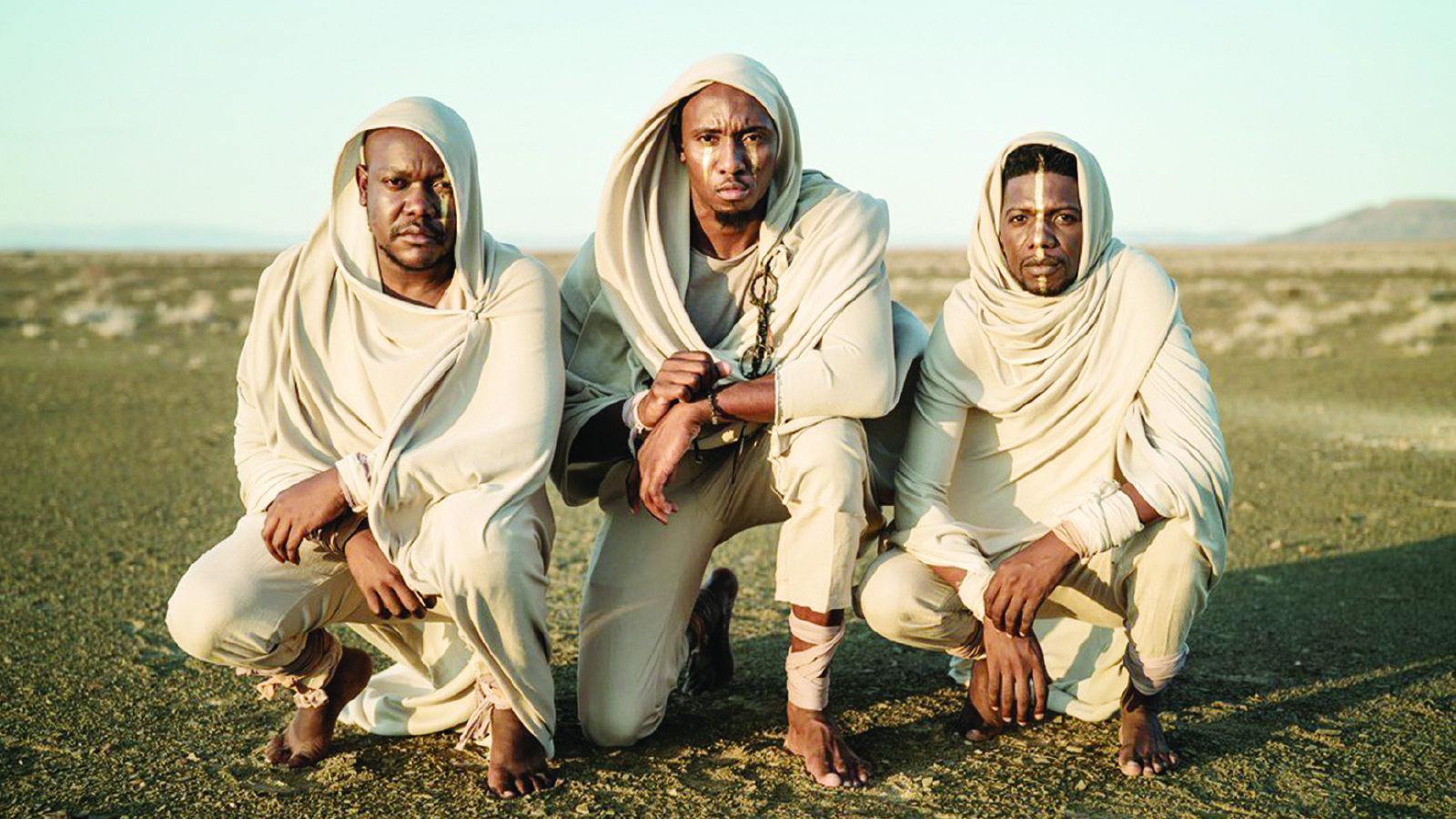
Bruce Ndlovu, Society Reporter
WHEN one witnesses a performance by Bulawayo’s Djembe Monks, there is little doubt about the group’s international appeal and artistry.
Their version of house music, a genre renowned for ensuring dance floors are packed across the globe, owes as much to Zimbabwe as it does to Chicago, where the genre was born.
Their music is a sophisticated alchemy that fuses contemporary Electronic Dance Music (EDM) frequencies with the rich, ancestral power of live African percussion.
This ear-bending sound is built on a foundation of djembe, Afro-Cuban percussion and Southern African traditional drumming.
All these lush elements are intimately tied together by local traditional vocalism, ensuring their sound remains authentic and deeply rooted in African folklore and spirit.
For years, Djembe Monks have been widely accepted as the leading lights of Afro Tech/Afro Tribal Music from Bulawayo, pioneering a deeply spiritual and intensely rhythmic sound they term “Motion Meditation”.
And yet, over the years, many have wondered whether this group would one day get a chance to show off its excellence to the rest of the world.
“A prophet is not appreciated in his own land,” the saying goes , though, in this case, the opposite seemed true.
Djembe Monks had been too loved at home, with fans yearning to see them take their gospel of rhythm to the wider world.
The global ascent
Well-meaning fans have desired for years to see the group spread its wings and serve the world the glorious art they have religiously fed Bulawayo over the past decade.
Recently, it appears the group has gotten closer to making this a reality.
Earlier this year, Djembe Monks finally had its North American breakthrough, significantly boosting its international appeal with a successful showcase at the 1Love Festival in Winston-Salem, North Carolina, the United States.
This highly spiritual community gathering positioned the Bulawayo collective on an international stage, validating the global appeal of their authentic African sound.
The group’s passports have been collecting stamps recently, as they also delivered a triumphant headline set at Burning Maun 2025, a rising regional boutique festival known as “The Belter in the Delta”.
Set in the wild and peaceful Xudumela Conservancy, Ngamiland, Botswana (the gateway to the Okavango Delta), this performance solidified their prominence in Southern Africa’s unique electronic and cultural circuit.
In East Africa, the group has also become a staple, becoming a regular presence at the Kendwa Rocks Full Moon Party in Zanzibar.
Their unfailing excellence at this huge East African celebration, attracting thousands of holidaymakers and driving cultural tourism, has given them a hard-earned reputation as crowd-pullers.
Between October 17 and 19, the Djembe Monks will share the bill with fellow Zimbabwean acts Wowrae and the Zimbabwean/South African duo Rhythm and Dust at the Lake of Stars Festival in Malawi.
Then, on November 8, the Monks will return to the Kendwa Rocks Full Moon Party for a separate, major headline performance, reaffirming their status as a leading force in African dance music on the East African coast.

Moment of truth
In an interview, group member Emmanuel “Shaman Root” Nkomo said performances at regional and international platforms were allowing the group to spread its wings and grow its brand.
“Performances, whether at major festivals or smaller venues, are the most critical drivers for the expansion of our brand and the strengthening of our artistic vision,” he said.
“Growth comes in more ways than one and our performances are based on how audiences receive us . . . So, every performance is a moment of truth that fuels our direction going forward.”
Shaman Root said while they were widely known and celebrated in their hometown, they drew ultimate pleasure from making an impression on audiences that had never seen them live before.
“To be relatable in any situation is the most rewarding experience. If you ask any experienced performer or musician, they will probably tell you this as well,” he explained.
“It is quite scary and exciting at the same time to perform for a completely new audience. Imagine performing in front of 4 000 or 5 000 people and they all do not know you.
“So, when you see people from diverse backgrounds reacting well to your music, it shows you that your music is making an impact and you are moving in the right direction.”
He said their constant travels also give them a chance to interact and work with other musicians from across the globe.
“When we meet producers or musicians from other countries, it forces us to evolve or at least incorporate new ideas into our own work.
“We also experiment with the new knowledge, be it in production or other elements, so that our sound remains fresh, competitive and real.
“Sometimes, people say that when something is not broken, why fix it, but we believe that when you meet new people, it opens your eyes to new ways of doing things,” he said.
Life on the road had also encouraged the group’s members to adhere to strict standards of discipline.
“At a personal level, I feel that these journeys require the highest standards of performance if one is to transform into a sustainable professional,” Shaman Root noted.
“We talk about networking opportunities that arise from such performances . . . Music is a serious business and the demands of international travel expose and test our mettle.
“It is a challenge to our character as we have to present our brand in a businesslike manner. It also forces us to prioritise our health to keep up with the demands of travel and performance.”
With many of the country’s artistes making headlines for financial struggles, Shaman Root said international tours were giving the group an ideal windfall and setting them up for a better future.
“A lot falls on us because we do not have safety nets or structures that we can fall back on. When you are an independent artiste, there are certain things that you just have to do for yourself.
“This includes your personal health and your personal finances because nobody else will look out for you on these things.
“The demand to look after yourself falls on you personally, so with that in mind, you have to try to be an all-round good person,” he said.



