admin
adminPamela Shumba Senior Reporter
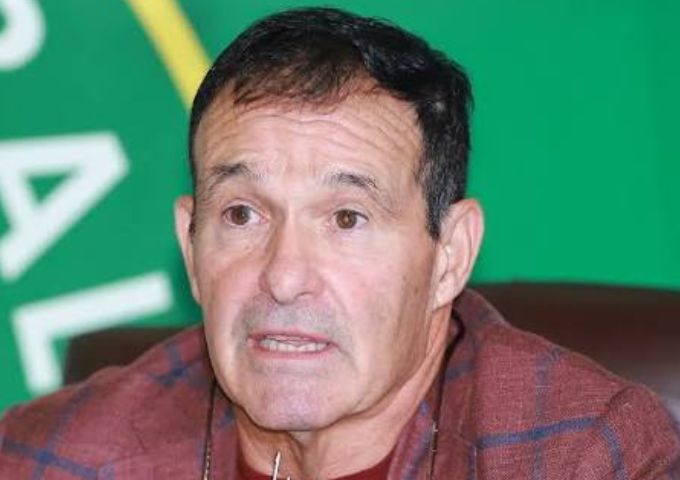
HEALTH and Child Care Deputy Minister, Dr Paul Chimedza, yesterday toured Government hospitals in Bulawayo and concluded that the situation was almost normal despite the doctors’ strike.
However, Mpilo Hospital chief executive officer, Dr Lawrence Mantiziba, said the hospital had been adversely affected by the strike and hoped that the ministry would soon come up with a solution.
Dr Chimedza was in Bulawayo to assess the impact of the strike at Mpilo Central Hospital and the United Bulawayo Hospitals (UBH).
He said the country’s big hospitals have not been seriously affected by the ongoing strike by doctors, as negotiations between the government and doctors continue.
Meanwhile, middle level doctors downed tools on Thursday, arguing that they were also concerned about their low salaries.
According to a memo addressed to UBH management, middle level doctors and registrars initiated a fresh strike.
The strike follows a written directive by the Zimbabwe Hospital Doctors Association (ZHDA) for middle level doctors to stop reporting for work until government reviews their salaries.
The memo read: “Considering the current strike by housemen, we have seen it fit for us as middle level doctors to withdraw our services with immediate effect. This is because the same issues affecting the striking doctors affect us even more and we are aggrieved by the lack of urgency by which it is being handled.”
Dr Chimedza professed ignorance on the development and maintained that things were not as bad at the hospitals. He said the volume of patients had actually gone down.
“I’ve been to Parirenyatwa, Harare, Kwekwe, Gweru, Mpilo and UBH hospitals and I can assure you that the situation is not as bad. Of course, the situation is not normal but the staff at the hospitals are coping and managing quite well,” said Dr Chimedza.
“The volume of patients has actually reduced because clinincs are referring only serious cases to the hospitals and the situation is calm. I want to commend nurses and all the other personnel who are making sure those patients are well taken care of.”
The negotiations, Dr Chimedza added, are continuing and doctors are expected to be back at work sometime next week.
He acknowledged that doctors’ salaries and the entire medical staff at the hospitals were very low and needed to be reviewed.
“Negotiations are going on. It’s going to take a bit of time because a consolidated document has to be presented to the government and the Ministry of Finance will then look at the global figure to be incurred and if it is able to offer that money.
“The money that the doctors are getting is little but it speaks of the difficult times that we’re in. We’re expecting the doctors to be back at work sometime next week,” said Dr Chimedza.
About 400 doctors have not been reporting for work since the strike commenced on October 27.
Army and police doctors have been seconded to public health institutions in a bid to avert a major crisis due to the industrial action.


 Online Reporter