Emmanuel Kafe-Check Point Desk
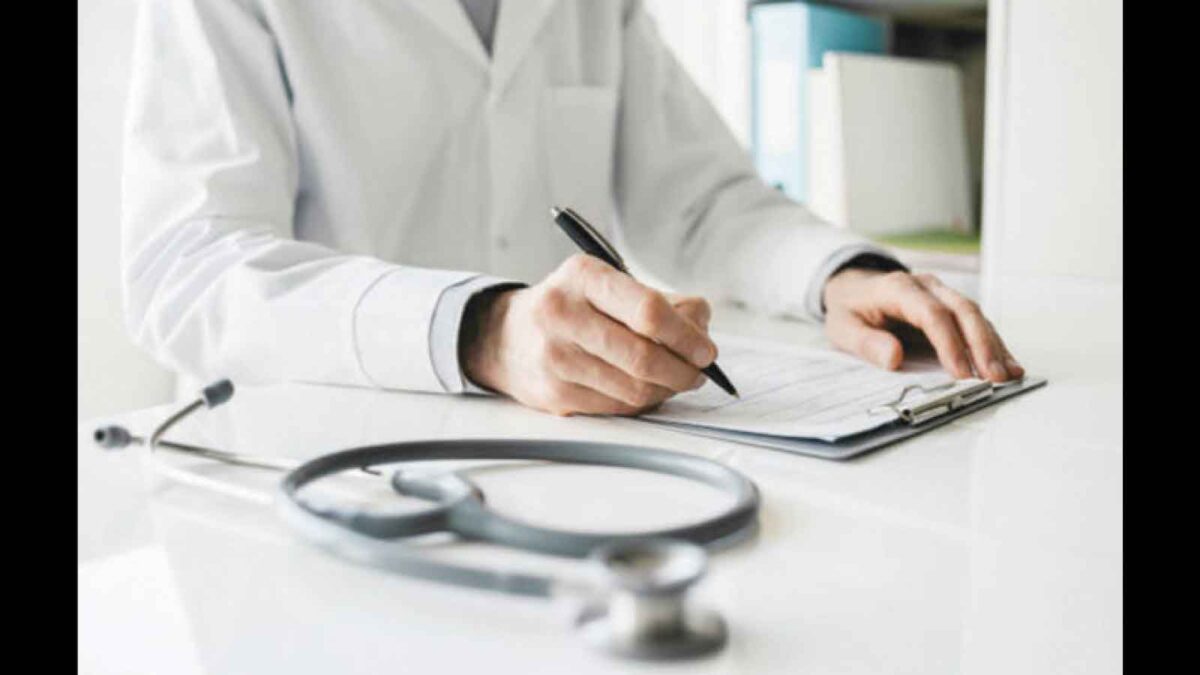
A medical practitioner recently came across a sick note bearing their professional stamp and signature, but the handwriting on the document immediately raised suspicion.
The doctor had not examined the patient, written the certificate or authorised anyone to issue it. Someone had apparently copied their professional credentials and used them to authenticate a medical document without their knowledge.
This was not an isolated incident.
Private medical practitioners are raising alarm over the growing circulation of suspected fake sick notes, driving medical certificates and food-handler clearances, with some individuals allegedly using copied doctors’ stamps, signatures and letterheads to produce documents that appear genuine.
The practice is raising questions about the security of medical documentation, with employers potentially losing money through fraudulent sick-leave and medical reimbursement claims, while people could obtain health clearances without undergoing the required examinations.
“I also bumped into a sick note, from our office, with my signature and stamp, just different handwriting,” the practitioner said.
Another doctor said their professional credentials had also been reproduced on medical certificates presented for driving and food-handler clearances.
“This is my correct stamp and signature. Someone is tarnishing my name. Even on food handlers, they are using a fake stamp,” the doctor said.
The concerns extend to the Vehicle Inspection Department (VID), where questionable information on medical certificates reportedly prompted officials to seek verification.
One practitioner said a person who was stamping medical certificates for driving and food-handler clearances was charging US$10 for the service.
“The top one (is a) forged stamp (in our possession). The person who was stamping medical certificates for driving and food handlers was charging US$10,” the practitioner said.
In Marondera, a person reportedly employed at Marondera Provincial Hospital was arrested after questionable blood pressure readings on medical certificates raised suspicion at VID.
The individual was allegedly charging US$10 to stamp certificates for driving and food-handler clearances.
The case has raised fears about the possibility of people obtaining medical clearance through individuals who are not authorised to conduct or certify the relevant examinations.
But the suspected racket appears to go beyond sick notes and medical clearances.
Check Point Desk has obtained a disputed medical quotation for US$570, allegedly presented by a worker seeking reimbursement of medical expenses from an employer.
Dated October 9, the document lists medical consultation and clinical assessment, diagnostic investigations, medication and pain management, possible specialist consultation, follow-up services and documentation fees.
It also carries what purports to be a doctor’s signature and clinic stamp.
The patient’s identity is being withheld to protect confidential medical information.
Private medical practitioner, who is also the president of Medical and Dental Private Practitioners Zimbabwe Association (MDPPZA), Professor Johannes Marisa said the suspected use of medical documents to support financial claims was particularly worrying.
“This case highlights a potential dimension of medical document fraud — the use of apparently authentic paperwork to support financial claims,” he said.
Prof Marisa said doctors were increasingly concerned about people forging their professional credentials to obtain sick leave and solicit money from organisations.
“We are concerned about the rampant forgery and actually fraud happening, where a lot of people are forging documents in the name of doctors, as well as the private practitioners.
“Some of these documents are used to solicit money from different organisations. Some of them are given as off-sick notes and a lot of companies are losing a lot of revenue because of fraudulent or fake sick notes,” he said.
He said the practice was also damaging the reputations of medical practitioners, who could find themselves associated with medical recommendations and claims they never made.
“Our sick note forms are issued to these bogus patients. This is criminal and it’s a serious offence because it jeopardises our reputation as medical practitioners.
“Because some of the claims that are made on our important letters are absurd and this practice should immediately stop,” he said.
His association confirmed receiving reports from practitioners across the country about the unauthorised reproduction of their professional credentials.
“The association has noted an increasing number of informal and formal expressions of concern from private practitioners regarding the unauthorised replication and forgery of practice credentials, including rubber stamps, letterheads and signatures,” Prof Marisa said.
He said although some doctors reported incidents directly to the police or dealt with them at practice level, the problem was increasingly affecting practitioners in different provinces.
“We believe the problem is regrettably widespread, largely fuelled by syndicates operating illicitly outside formal healthcare structures,” he said.
Prof Marisa said traditional security measures were no longer sufficient to protect medical documents from reproduction.
“Physical security features alone can no longer guarantee authenticity without supplementary digital verification layers.”
Some practitioners have also raised concerns that artificial intelligence could be making it easier to reproduce professional stamps and other medical credentials, although the extent of its use in the suspected fraud remains unclear.
They are calling for medical practices to adopt patient management software and digital authentication systems incorporating unique codes and QR codes that can allow employers and institutions to verify documents directly with issuing practitioners.
National police spokesperson, Commissioner Paul Nyathi, said reports of this nature would be investigated.
“Once reports of these nature are received, police will definitely institute investigations to bring culprits to book,” he said.