Online Reporter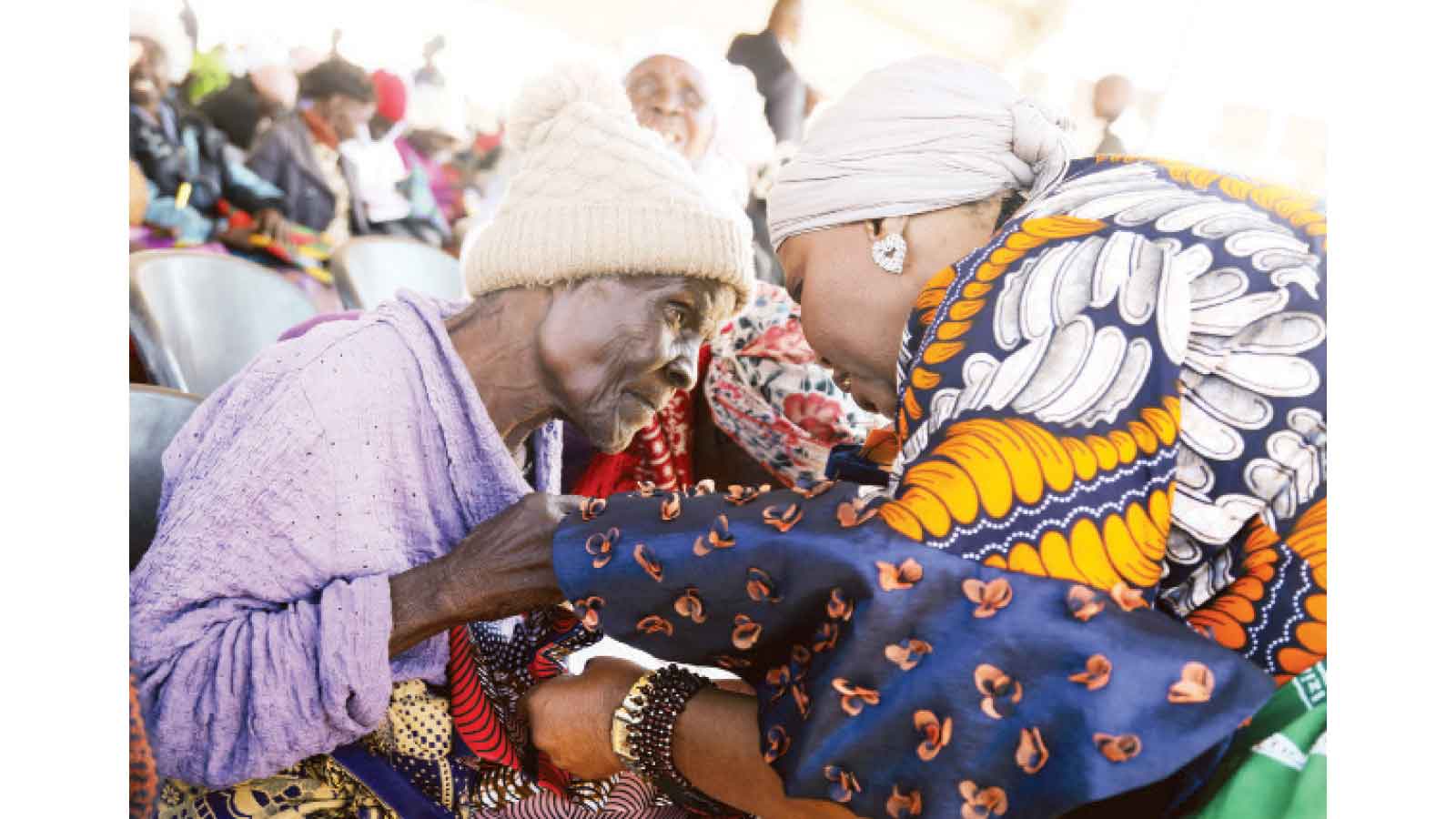
Blessings Chidakwa-Senior Reporter
SURELY, numbers do not lie.
Nhakiwa Vocational Training Centre in Uzumba Maramba Pfungwe, Mashonaland East, will go down in history as the venue that hosted another remarkable chapter of First Lady Dr Auxillia Mnangagwa’s flagship Doek Drive, as scores of women converged for a powerful celebration of culture, dignity and womanhood.
The usually quiet institution was transformed into a vibrant sea of colour and song, with women from across the province proudly wearing colourful doeks and matching zambias as they celebrated their identity, heritage and shared values.
Young women, mothers and grandmothers danced side by side, singing traditional songs and showcasing Zimbabwe’s rich cultural heritage in a gathering that reflected enduring values of respect, unity and pride.
From the moment Dr Mnangagwa arrived, the atmosphere became electric, with ecstatic women breaking into song and dance, waving their colourful doeks in appreciation of an initiative that continues to uplift, inspire and unite communities.
Co-ordinated by Reverend Mary Vimbai Muzori, women from different generations captivated the gathering with an impressive showcase of doek-tying styles, each carefully wrapped to reflect Zimbabwe’s diverse cultural identity and timeless traditions.
Amid laughter, song and applause, participants confidently modelled various styles while explaining their significance, saying the doek and zambia symbolise modesty, dignity and respect.
They said proper dressing reflects good character, strengthens family values and helps preserve Zimbabwe’s cultural identity.
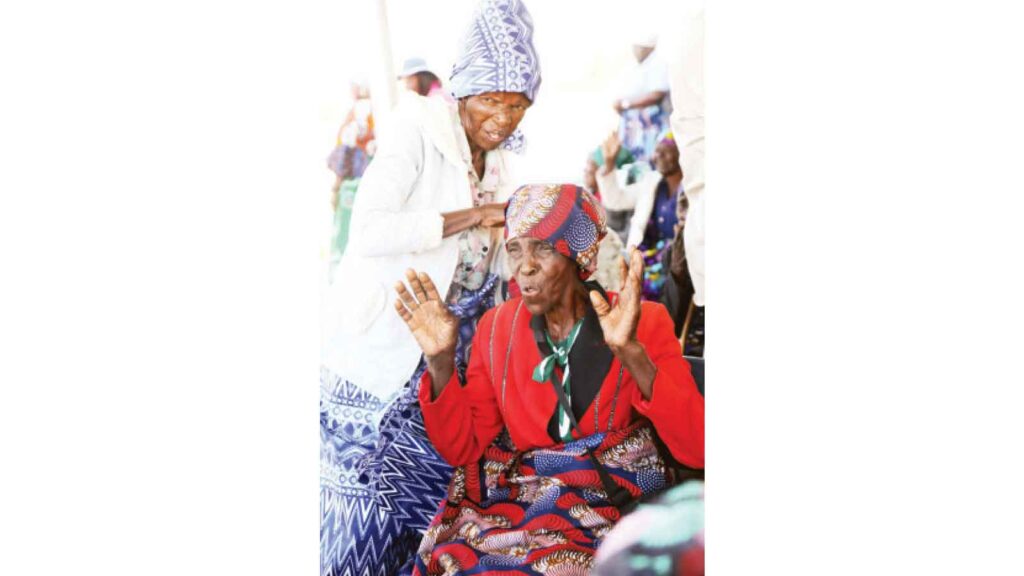
An elderly woman helps her friend tie her doek at the launch of the First Lady’s Doek and Zambia Drive at Nhakiwa Vocational Training Centre in Uzumba-Maramba-Pfungwe.
The women encouraged others, particularly the younger generation, to embrace the doek and zambia as symbols of cultural pride and to safeguard the nation’s cherished traditions for present and future generations.
Together with local women, they demonstrated doek styles suited for everyday wear as well as special occasions, including church services, weddings, funerals and family gatherings.
They also showcased how the doek complements different hairstyles, including short natural hair, braids, dreadlocks and other styles, proving that every woman can confidently embrace the traditional attire, while celebrating her identity and cultural pride.
One of the most striking moments came when an Apostolic sect participant urged young women to embrace modest dressing, comparing a woman’s dignity to food kept safely in a covered basin.
She said just as uncovered food attracts flies, food protected in a basin remains safe; women who dress modestly safeguard their dignity, respect and cultural values.
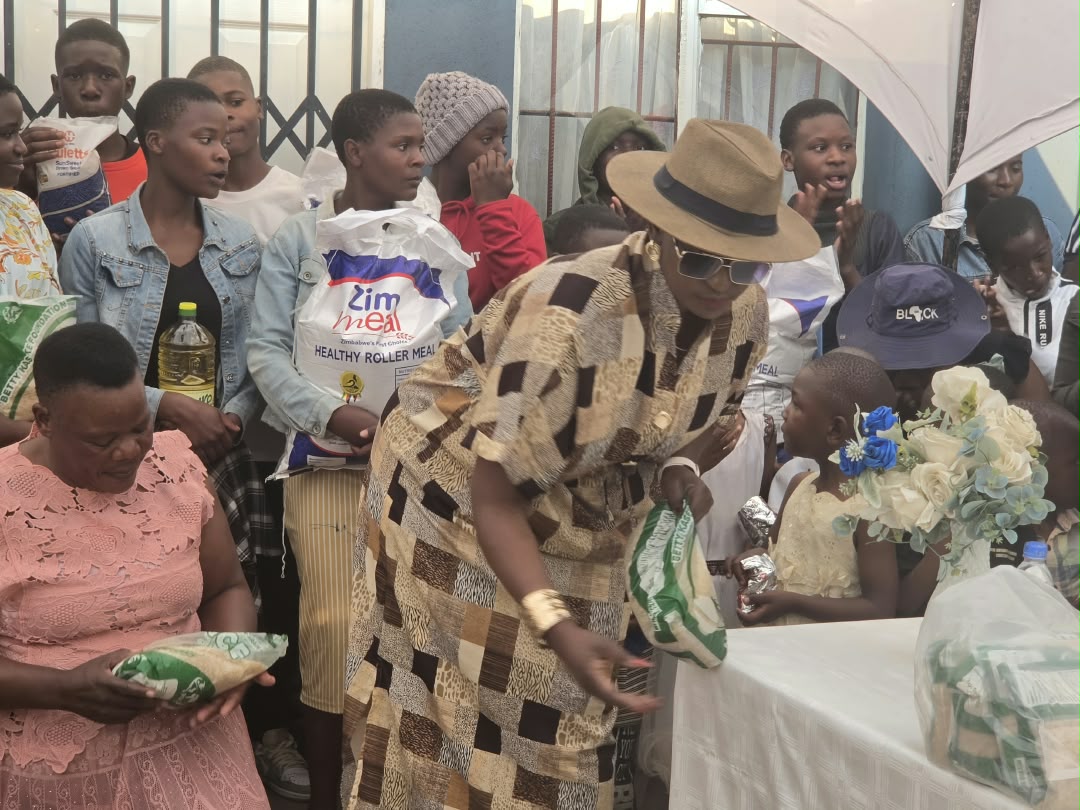
The First Lady personally and humbly handed over doeks, zambias, inner-wear, including petticoats, and groceries to elderly women, bringing smiles to their faces.
Addressing multitudes of women during the Doek Drive programme, the First Lady said the initiative was born out of her passion to see Zimbabweans proudly preserve their cultural identity, dignity and values, inspired by how other nations safeguard their own traditional attire.
Dr Mnangagwa said she was moved to promote the doek and zambia after observing how different countries proudly embrace and protect their traditional dress, adding that Zimbabweans should equally cherish their traditions and pass them on to present and future generations.
“These doeks and zambias are more than just garments; they preserve our dignity, culture and values. Let us dress decently and cover ourselves appropriately.
“A woman’s body is private. It should always be covered and only be uncovered in the privacy of her bedroom. The most precious parts of our bodies are meant to be protected, respected and cherished, not displayed,” she said.
The First Lady said clothing was closely linked to dignity, self-respect and good character, urging women to dress in a manner that reflects respect for themselves, their families and communities.
“It pains me greatly to see women dressing in a manner that exposes their bodies. The face is the only part of the body that should naturally be exposed, but today it has become a competition to wear as little as possible,” she said.
Dr Mnangagwa said the doek had always occupied an important place in African culture, particularly in covering women’s hair and promoting a respectable appearance.
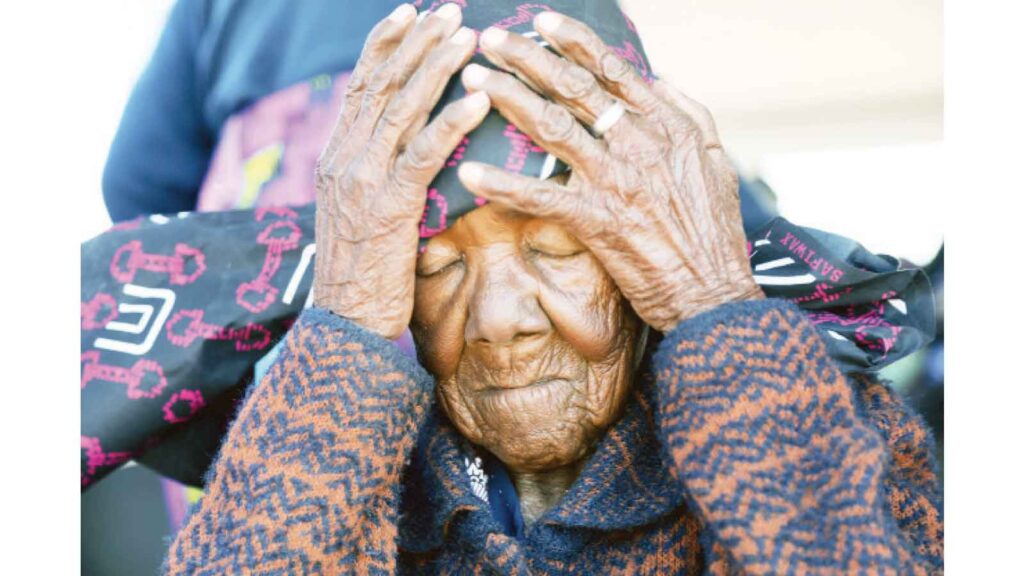
Gogo Rhoda Muchakwa adjusts the doek she received from the First Lady at the launch of the Doek and Zambia Drive at Nhakiwa Vocational Training Centre in Uzumba.
She encouraged mothers and grandmothers to remain custodians of culture by embracing traditional attire and teaching younger generations the values attached to it.
The First Lady also expressed concern over the increase in drug and substance abuse, which has been ravaging society, saying families could not enjoy peace when affected by such harmful behaviours.
Dr Mnangagwa urged those struggling with substance abuse to seek assistance from rehabilitation centres while warning drug peddlers, buyers and consumers that they would face the full force of the law.
The Culture and Heritage Ambassador also called on grandparents and communities to take a leading role in nurturing young people by dedicating time to their grandchildren, including setting aside special days for them to gather and learn practical life skills, discipline, traditions and cultural values.
Dr Mnangagwa said many young people were losing important life skills due to reduced family interaction, adding that her Nhanga/Gota bush camps would continue providing platforms where children freely receive mentorship and guidance.
The First Lady also urged Zimbabweans to support the strong local currency, Zimbabwe Gold (ZiG), saying it represented national pride, strength and sovereignty.
“Let us support and promote our own currency because it is a symbol of our nation’s strength and sovereignty,” she said.
Elderly women who benefited from the Doek Drive said the initiative had restored their dignity and made them feel valued, describing the support as a rare act of compassion that had clothed them from head to toe.
Ambuya Christina Kapfunde said Dr Mnangagwa had restored their confidence by ensuring they received complete outfits, including essential undergarments.
“We received everything, even undergarments. I also received a petticoat. We now look smart, clean and respectable because of our First Lady’s kindness. She has truly restored our dignity,” she said.
Gogo Enisia Zanga said the gesture had left her overwhelmed with joy.
“I am extremely happy. We have never been treated in such a special way. We feel remembered and appreciated as the elderly,” she said.
Ambuya Lynet Mutsikira said the undergarments were more than just clothing, as they helped protect their bodies and improve their comfort.
“These garments help cover and protect our bodies. They make us feel comfortable, confident and respected. Our First Lady thought about even the smallest things that many people overlook,” she said.
Another beneficiary, Ambuya Mildred Selemani, said the First Lady’s compassionate heart had brought smiles to many elderly women.
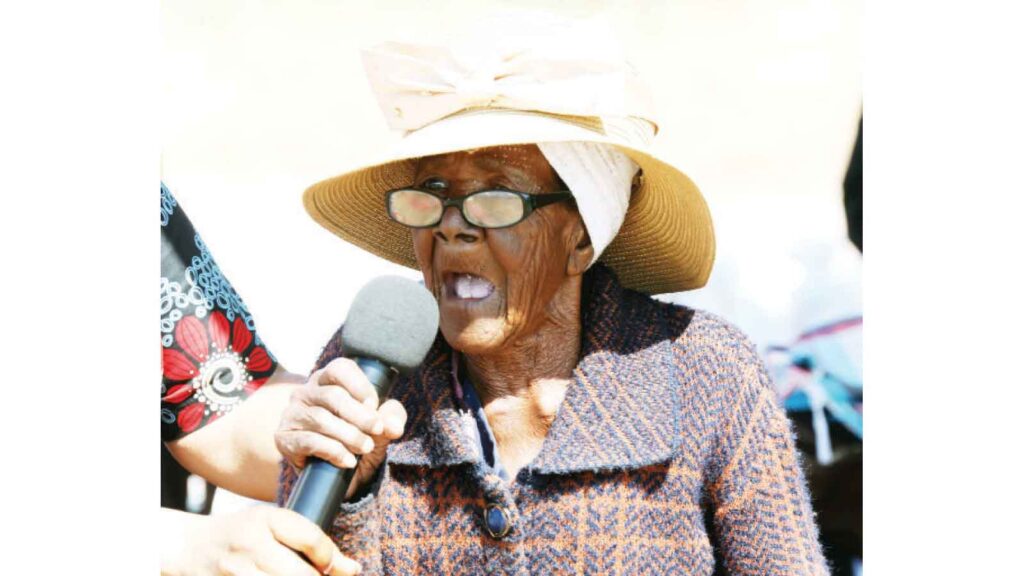
Gogo Rhoda Muchakwa shares her personal insights on the cultural significance and values of women wearing doeks and zambias at the First Lady’s Doek and Zambia Drive initiative at Nhakiwa Vocational Training Centre in Uzumba-Maramba-Pfungwe.
“We sincerely thank the First Lady for remembering us. She has shown us love, care and respect. Today, we are leaving here happy because we feel valued and appreciated,” she said.
As the programme drew to a close, women departed with smiles, proudly wearing their colourful doeks and carrying groceries and other items, with many describing the gathering as a memorable celebration of culture, unity and womanhood.
Minister of State for Mashonaland East Provincial Affairs and Devolution Advocate Itayi Ndudzo hailed the launch of the Doek Drive in the province as a major milestone in promoting cultural pride, dignity and the preservation of Zimbabwe’s heritage.
Adv Ndudzo said women from across the province were delighted to be part of the initiative and expressed gratitude to the First Lady for her continued commitment to uplifting communities through transformative programmes.
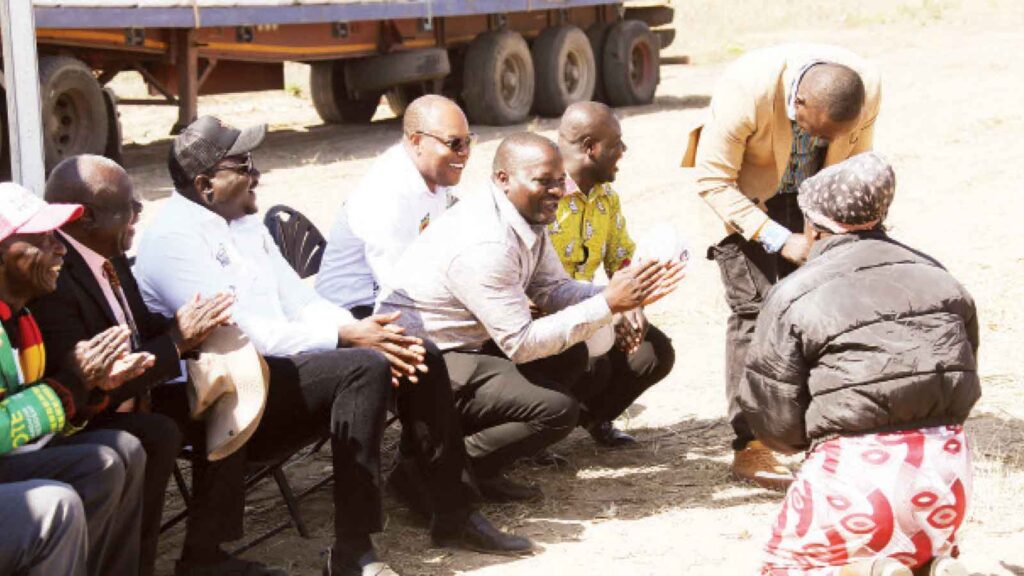
Men watch appreciatively as a young woman performs the role of an exemplary daughter-in-law during a cultural presentation at the First Lady’s Doek and Zambia Drive initiative in Uzumba.
He also commended the Nhanga and Gota programme for preserving Zimbabwe’s cultural values by imparting traditional knowledge and morals to younger generations, while praising Agric4She for empowering families and improving livelihoods through agriculture.
Member of Parliament for Uzumba, Maramba and Pfungwe, Tichaona Karumazondo, expressed gratitude to First Lady Dr Auxillia Mnangagwa for choosing the district to host the programme.
“This visit is very significant in terms of our culture. In our African culture, we do not abandon our children when they go astray. We bring them back, we counsel them and we restore them.
“The First Lady’s initiative on drug and substance abuse speaks directly to that value of Ubuntu, promoting healing, restoring dignity and giving our youth a second chance,” he said.
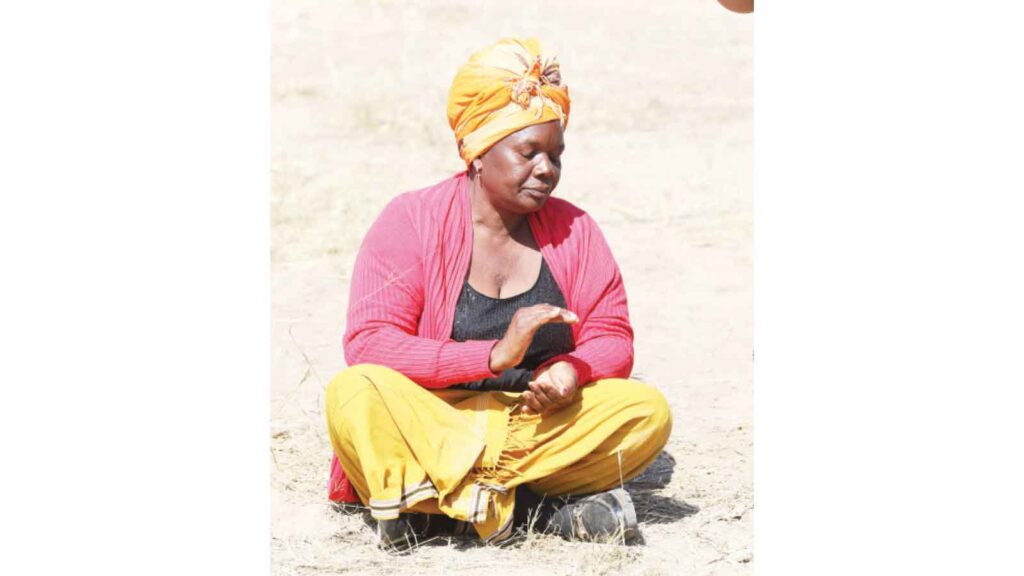
A middle-aged woman demonstrates the traditional sitting posture expected of an exemplary daughter-in-law at the First Lady’s Doek and Zambia Drive initiative in Uzumba.
Karumazondo said elderly women in the district were delighted to be remembered through the First Lady’s generous donations of clothing, food hampers and the quality time she spent interacting with them.
“The elderly women were overjoyed to be remembered by the First Lady through the clothes, hampers and the time she spent with them. We wholeheartedly welcome this programme and pledge our full support to ensure its success in UMP District. Thank you, our mother, for remembering us,” he said.
The Doek Drive, which has been held across the provinces, continues to bring together women of different generations in celebrating Zimbabwean heritage while promoting the values of respect, unity and responsibility.