Online Reporter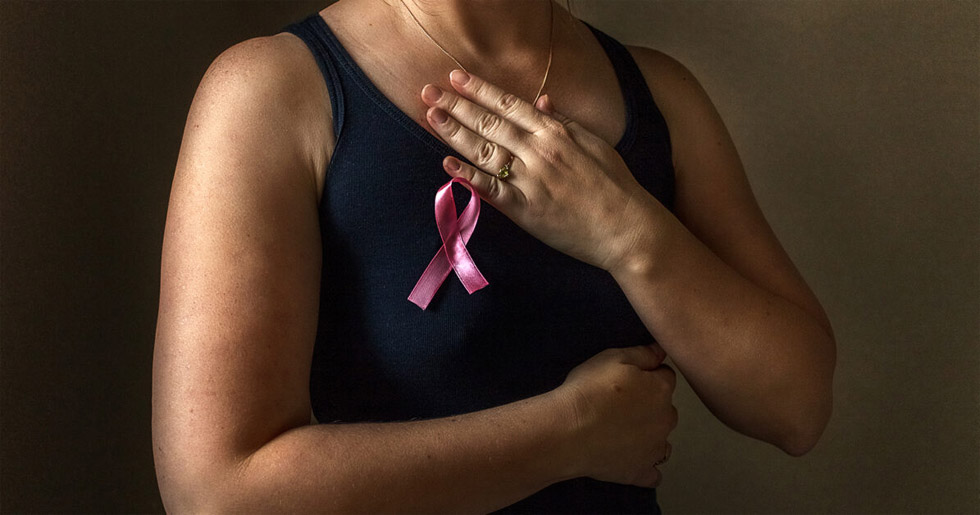
Dr Tendai Zuze
Health Matters
OCTOBER, known around the world as Pink October, is Breast Cancer Awareness Month; a time to reflect, learn, and act.
Every year, thousands of women are diagnosed with breast cancer, yet many lives are saved because the disease was found early.
Despite this, fear remains one of the biggest barriers to screening.
Many women avoid breast self-examination or mammography because they are afraid of what might be found.
Others delay visiting their doctors after noticing a lump, hoping it will go away on its own.
Unfortunately, waiting often gives breast cancer time to grow. The truth is, the earlier breast cancer is detected, the better the chance of successful treatment and survival.
Screening does not cause cancer, it helps find it before it spreads.
A simple breast self-exam each month, combined with regular clinical breast examinations and mammograms (for those over 40 or with risk factors), can make the difference between a minor treatment and a major battle. Mammograms can detect changes years before a lump can be felt, allowing for early, often curable intervention.
It is also important to know that most breast changes are not cancer. Fear often comes from not knowing that there are many harmless breast conditions that can mimic the symptoms of breast cancer. Here are some examples:
Fibroadenoma: A common, firm, smooth, mobile lump often found in young women. It is non-cancerous and usually painless.
Fibrocystic breast changes: These cause breasts to feel lumpy, tender, or swollen, especially before menstruation. They are hormone-related and not cancer.
Breast cysts: Fluid-filled sacs that may feel like soft or firm lumps. They can be drained if uncomfortable but are generally benign.
Fat necrosis: Sometimes, after an injury or surgery, fatty tissue in the breast becomes firm or lumpy. It can feel alarming but is not cancerous.
Mastitis or breast abscess: Inflammation or infection, often in breastfeeding women, can cause pain, redness, and swelling — but this is not cancer and responds well to antibiotics.
While most breast changes are harmless, any new lump, nipple discharge, skin dimpling, or change in breast size or shape should still be checked promptly. Your doctor will help determine what it is and if further tests are needed.
Breast cancer is no longer a death sentence. Advances in surgery, radiotherapy, chemotherapy, and hormonal therapy mean that more women than ever are living long, healthy lives after diagnosis. The key is catching it early; and that starts with you.
So this Pink October, let us replace fear with knowledge and hesitation with action. Encourage your friends, sisters, mothers, and colleagues to check their breasts and go for screening.
For more on breast cancer screening, contact [email protected]