Online Reporter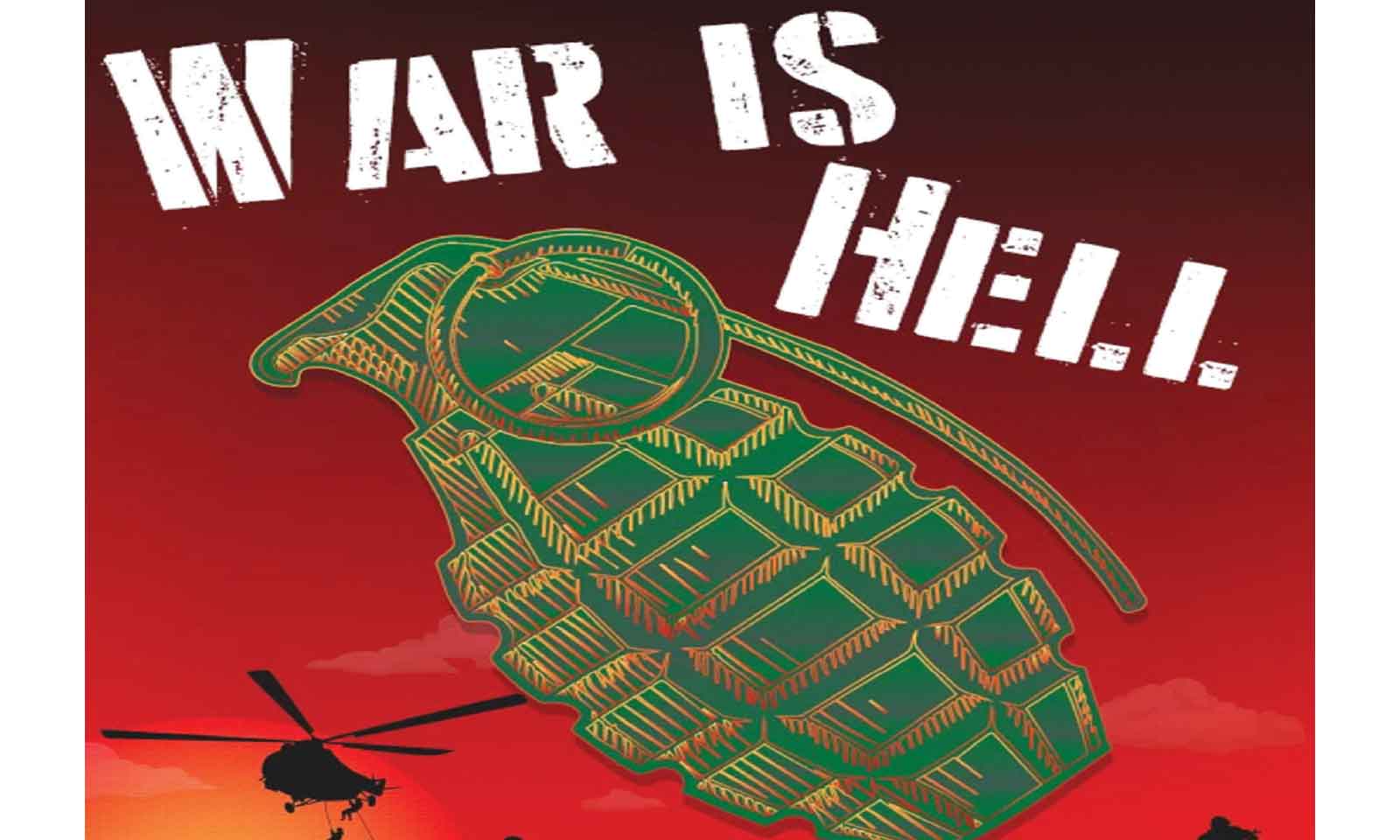
Nick Mangwana
Government Up Close
A DISTURBING trend is snatching young men from their homes across Zimbabwe and the African continent, pulling them into a nightmare thousands of kilometres from home.
They are recruited with slick promises — lucrative salaries, foreign citizenship, and a better life. But the reality is a brutal, illegal trade in human life.
This is not about mercenary work; it is about modern slavery, human trafficking, and a meat grinder disguised as a job opportunity.
Despite the allure of a foreign passport or a fat bank account, the evidence is overwhelming: if you answer this call, you are likely signing your own death warrant. Your family will be left with no answers, no body to bury, and no justice. It is time to expose this network for what it truly is.
How the Agents Lure Their Prey
The recruitment agents operating in our communities are not legitimate employment agencies; they are predators.
Their methods follow a chillingly familiar pattern designed to exploit desperation and hope. Investigative reports have shown that these shadowy networks are highly organised, operating through local agents who specifically target unemployed youths.
The hook is always financial. Recruits are often offered eye-catching sign-on fees — some reports cite figures as high as US$10 000 paid upfront in cash to seal the deal.
They are promised monthly salaries of up to US$2 500, combat allowances, and even residency benefits in foreign countries.
In some cases, the initial promises are even more extravagant, with figures like a once-off payment of US$37 000 and a monthly salary of US$4 000 being dangled in front of desperate young men.
“They tell them this is just security work or contract work. The money is shown upfront to convince them.” – Source familiar with recruitment networks.
To get past immigration and security checks, the recruits are forced to sign contracts for fake civilian jobs — drivers, mechanics, cleaners, or receptionists. This is the first layer of deceit.
They are then isolated in transit hotels for weeks, coached on what to say, and kept away from family.
Their departure is often a secret, leaving families completely unaware that their relative has left the country
Human Trafficking, Not Employment: The Legal Reality
Let us be clear about what this is in the eyes of the law: this is human trafficking. Under international law, as defined by the Rome Statute, this type of recruitment — using fraud, deception, and the abuse of vulnerability — can constitute enslavement and a crime against humanity.
A model definition from international legal standards criminalises anyone who, by means of “fraud or deception . . . abuse of power, trust, dependence, a position of vulnerability, [or] withholding, taking away or destroying personal documents,” recruits or transports a person for “exploitation of his labour, forced labour . . . or for exploitation in armed conflicts”.
This perfectly describes the fate of these Zimbabweans. The moment they arrive, their passports are confiscated. They are stripped of their identity and any chance to leave.
Once you are in that situation, you are no longer an employee; you are property. The agents who run this network are traffickers, and they must face the full wrath of the law.
The “Meat Grinder”: A Two-Week Ticket to Death
Perhaps the most sinister aspect of this trade is the blatant disregard for African life. These recruits are not being integrated into professional armies with proper training.
According to multiple testimonies, upon arrival, they receive a mere two weeks of basic military training.
After this rushed and insufficient preparation, they are deployed to the hottest parts of the battlefront, specifically areas like the Donbas or Donetsk region. They are sent to face modern, NATO-backed forces with minimal skills, essentially used as cannon fodder.
“War is not a movie and it is not a quick way to make money… no amount of money is worth dying in a war that is not yours.” – Former Zipra commander Patrick Msongelwa Dube
The chances of survival are slim. Recent investigations have documented that hundreds of Africans have been killed within months of arriving at the front.
Reports from early 2026 have already confirmed the deaths of multiple Zimbabweans. Those who survive speak of severe injuries from drone attacks, lack of proper medical care, and such profound distress that some have taken their own lives.
Those lucky enough to survive a few months might receive a salary or two, but for most, the only way out is in a body bag — or worse, an unmarked, shallow grave.
Identity Theft and Families Left in the Dark
The cruelty of these networks does not stop at death.
They steal the very identity of their victims to cover their tracks. Investigations have revealed a systematic process where Zimbabwean recruits are transported through South Africa and issued fraudulent South African identity documents.
When they are killed, as in the tragic case of Mandla Ncube, their bodies are registered under these false South African identities.
This creates a bureaucratic and legal nightmare. Families in Zimbabwe are left in anguish, unable to retrieve the bodies, claim benefits, or even get official confirmation of their loved one’s fate. The recruiters have effectively made them disappear.
“We were shocked. That is not who he was. It felt like he had disappeared even in death.” – Relative of Mandla Ncube, a Zimbabwean killed in the conflict.
A Global Web of Deceit
It would be a mistake to think this is happening only to Zimbabweans because of local economic issues. This is a global scourge.
The agents running this trade are equal-opportunity predators. Kenya recently revealed that over 1 000 of its citizens had been duped into fighting. South Africa is also grappling with this crisis, with investigations confirming deaths, severe injuries, and the repatriation of dozens of citizens.
“When African lives are treated as expendable labour or disposable combatants in a foreign conflict, governments have a duty to ask hard questions, and to act.” – Centre for Investigative Journalism in Zambia
The recruitment network has spread across the continent, ensnaring people from Nigeria, Kenya, Uganda, Somalia, and Cameroon. It has even reached as far as Bangladesh, where citizens were lured under the false promise of civilian work only to be thrust into combat. If citizens of developing nations in Asia and across Africa are falling into this trap, it proves this is not about one country’s economic situation — it is about a sophisticated international trafficking operation that preys on the vulnerable regardless of origin.
The Law Must Catch Up with the Traffickers
There is a growing movement to hold these agents accountable. In South Africa, arrests have been made under the Regulation of Foreign Military Assistance Act, which prohibits citizens from joining foreign wars without authorisation. Kenya has shut down more than 600 recruitment agencies suspected of running these schemes.
These agents must be treated as what they are: human traffickers. As outlined in international legal frameworks, trafficking for the purpose of exploitation in armed conflict carries severe penalties, including lengthy prison sentences. The Zimbabwean Government is pursuing these criminals with the full force of the law. They are enriching themselves by trading the lives of our youth.
A Call to Reflection
To the young men of Zimbabwe: No foreign passport is worth a shallow grave. No amount of money can compensate a mother for the agony of never knowing what happened to her son. These agents are selling you a lie wrapped in a promise. They see you not as a person, but as expendable inventory.
Let the message ring loud and clear: Do not be deceived. If an offer seems too good to be true, it is a trap. War is not a job; it is hell. And the only people who profit from this hell are the traffickers who stay safely at home, counting their money while you are fed into the meat grinder.