

 Online Reporter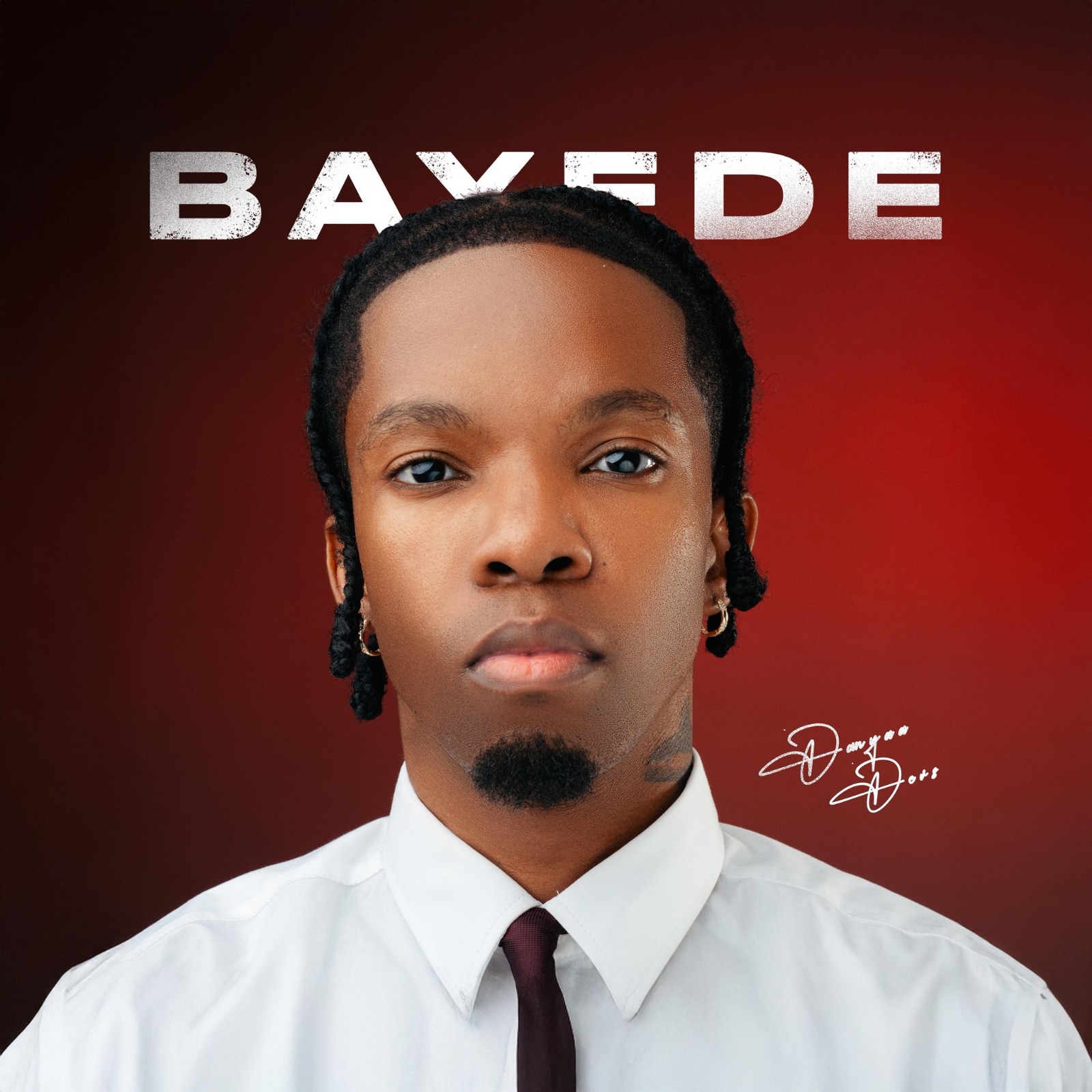
Mbulelo Mpofu
WHEN one listens to Danya Dev’s “Where were you” track, at around 00:54 to 00:57 seconds, they find out that he pays homage to Zimbabwe, alluding to an instance where he was in Bulawayo, doing his thing.
This line, nestled within the South African rapper’s acclaimed album “Bayede”, has resonated widely in Zimbabwe, becoming a point of celebration and pride. Yet, this enthusiastic reception has simultaneously ignited a crucial and uncomfortable conversation about a perceived double standard within the Zimbabwean cultural landscape.
The success of “Bayede” in Zimbabwe, particularly the appreciation for Danya Dev’s nod to Bulawayo, has starkly contrasted with the treatment often meted out to local artistes who dare to explore or celebrate cultures beyond their own borders. This dissonance has been sharply highlighted by Germany-based Bulawayo rapper and cultural commentator, Awa Khiwe.
Taking to Facebook, Khiwe, known for her incisive social commentary, posed a probing question that cut to the heart of the issue. She pointedly contrasted the celebration of Danya Dev’s Zimbabwean reference with the frequent criticism levelled at Zimbabwean artistes who reference South African locales or experiences.
“Danya Devs dropped a line about Bulawayo on his album and I saw many Zim people celebrating. If an artist from Byo says something about Soweto or enjoying in Joburg then boom – ‘you lack authenticity, ubancengani, you are trying to be South African,'” she observed.
Her post exposed a glaring inconsistency. She argued that South African artistes possess a distinct priviledge: the freedom to create music that appreciates other cultures and countries, which is readily accepted as genuine appreciation.
However, when a Zimbabwean artiste engages in the same creative cross-pollination – referencing a neighbouring city, enjoying its culture, or incorporating its sounds – it is often met with accusations of inauthenticity, cultural betrayal, or even “begging” for acceptance.
“SA artists have the priviledge to freely create and appreciate other cultures and countries and it’s seen as appreciation. If a Zim artist does the same, it’s seen as begging, why vele? Is it because we see ourselves as inferior or we are seen as inferior?” she stated.
This fundamental question strikes at deep-seated issues of cultural confidence, national identity, and the lingering psychological impacts of perceived hierarchies within the African and global creative industries.
Awa Khiwe’s critique suggests that Zimbabwean audiences might be subconsciously internalising a narrative that places local culture as less worthy of global recognition or inherently less authentic when engaging externally, compared to the perceived cultural “weight” of nations like South Africa.
The phenomenon isn’t entirely new. Zimbabwean artistes, particularly those in genres like Hip Hop, Kwaito, and Amapiano, have frequently faced criticism for incorporating South African slang, collaborating with South African artistes, or referencing South African locations. Accusations of “copying” or losing their “Zim-ness” are common, often overshadowing the artistic intent of cultural exchange or pan-African connection.
Conversely, when international artistes – be they South African, Nigerian, or Western – incorporate Zimbabwean elements, names, or experiences into their work, the reaction is overwhelmingly positive, seen as validation or putting Zimbabwe, “on the map.” Danya Dev’s Bulawayo reference is the latest, high-profile example of this warmly received external homage.
Awa Khiwe’s intervention forces a necessary introspection. Does the enthusiastic embrace of Danya Dev’s nod, juxtaposed with the skepticism towards local artistes exploring “Joburg”, reveal an internalised inferiority complex?
Or does it reflect a perception that Zimbabwean artistes are perpetually seen as inferior or, “less authentic” by default on the continental and global stage, leading audiences to police their expressions more harshly?


 Bongani Ndlovu