Online Reporter
Farai Diza
MONTROSE STUDIOS are currently undergoing a major refurbishment. This comprehensive modernisation is part of the Government’s broader efforts to transform the country’s media landscape.
Once completed, the studios are expected to house two television studios and eight radio stations.
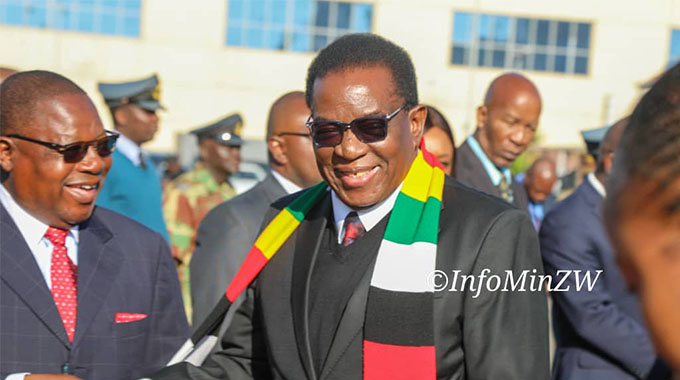
Speaking during a tour of the studios, Deputy Minister of Information, Publicity and Broadcasting Services, Dr Omphile Marupi, said:
“This is a massive project. The transformation of these studios is an indication of how His Excellency, President Emmerson Mnangagwa, is promoting devolution as well as the digitisation of the broadcasting sector.”
Those who grew up in the 1990s and early 2000s will be familiar with some of the iconic programmes produced at Montrose. These include Isandla Somusa, the popular drama Kukhulwa Kokuphela, and Teen Scene. Teen Scene stood out for its vibrancy.
It was an edutainment magazine show that reflected the lives of Bulawayo’s teenagers. From music to sport, entertainment to entrepreneurship, Teen Scene kept Zimbabweans informed about what was happening in the lives of Bulawayo’s youth.
It became more than just a TV show — it evolved into a cultural phenomenon, inspiring many talented young people to dream of being featured.
Back then, there were no smartphones, and only a few privileged teens owned ondori-ndori or zvimbudzi. Even those early feature phones reflected social class — there were the bulky “bricks” like the Nokia 5110, and then the more common 3310s.
If you had a phone with a colour screen, you were considered elite.
Since most teenagers didn’t own mobile phones, they were glued to the television. That’s how shows like Teen Scene gained popularity.
Teen Scene covered the breadth of Bulawayo, interviewing teenagers in schools, entertainment spots, and local neighbourhoods. Some of those featured went on to become household names across Zimbabwe.
Names like the Skull Crackers come to mind, known for their hit song Mai VaLeopoldo. Cheswa Kasomo also appeared on the show before releasing his debut album.
There were also hip-hop groups like Amagangsters, Go Boys, and Africa Revenge. This made the show incredibly relevant at the time.
As if that wasn’t enough, one former presenter, Oslie Muringai, went on to win Miss Zimbabwe. Other memorable presenters include Sizwakele “Zwa” Ndlovu, who has taken on various TV roles.
“When I started at Teen Scene, it was the year I finished high school. So, the peer pressure and trying to balance school didn’t affect me much, because I was focused on finding my feet in life — getting a job and doing what needed to be done. There was this new attention I was getting. I couldn’t go out, eat, or have a drink without people coming up to say hi,” Zwa told Chronicle in an interview a few years ago.
Then there’s Otis ‘The Flow’ Fraser, who carved a niche for himself in Botswana, South Africa, and the United Kingdom. Another former host, Nomalanga Sitole, is now a respected businesswoman in South Africa. She was recently interviewed by Lionesses of Africa for her impressive entrepreneurial achievements.
The long list of former hosts also includes Gibson Ncube, Elizabeth Pursulk, Gaino Gumede, and Kelvin Ncube. Sadly, the edutainment show was later moved to Harare, dashing Bulawayo’s dreams.
Yet many adults today can confidently say that Teen Scene helped shape their lives. The refurbishment of Montrose Studios will surely echo the spirit of the past while ushering today’s youth into the future.
Bulawayo’s teens certainly need programmes like Teen Scene to steer them away from alcohol, drugs, and the notorious Vuzu parties.