Online Reporter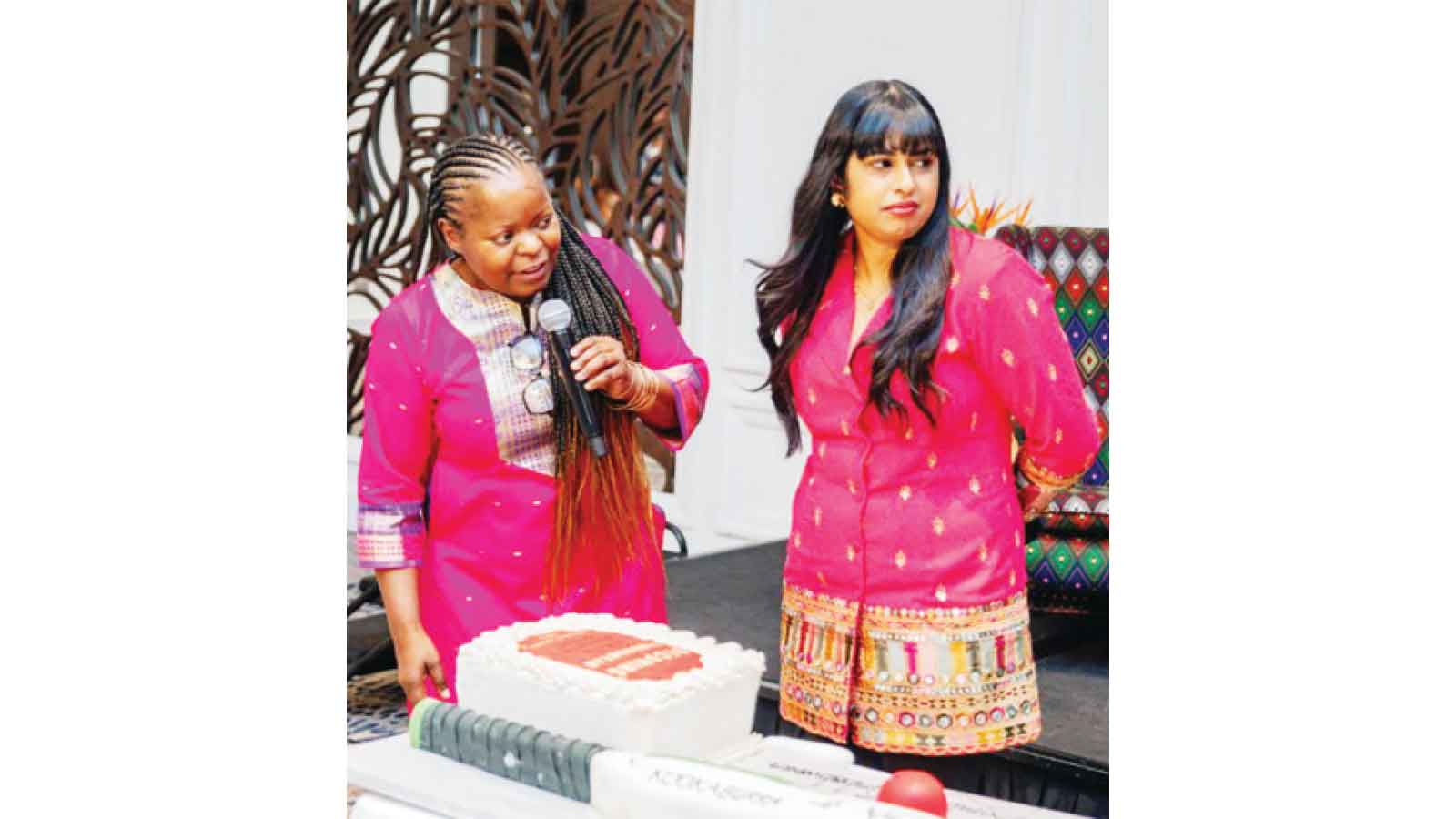
Trust Khosa-Zimpapers Arts and Entertainment Hub
US-based academic Dr Trishula Rachna Patel has officially launched a book chronicling the enduring ties between India and Zimbabwe dating back to the colonial era.
Titled, Becoming Zimbabwean: A History of Indians in Rhodesia, the book traces the experiences, struggles and contributions of the Indian community, highlighting its role in shaping Zimbabwe’s social, economic and political landscape.
The book was officially launched in Harare at an event organised by the Creative Zimbabwe Trust. The event, supported by The Embassy of India to Zimbabwe, the Patel Family, and The Trauma Centre, was a huge celebration of the strong ties between the two countries.
HE. Shri Brahma Kumar, India’s Ambassador to Zimbabwe said, “A country is what is inherited by birth, but a nation is what is built through the actions of those who dwell there.”
He added, “The Indian community in Zimbabwe built a nation through their minds, their hands, and their hearts, and helped shape the Zimbabwe we know today.”
Ambassador Hasu Patel, who was also in attendance, shared similar sentiments. The author’s father, Constitutional Court Judge, Justice Bharat Patel, spoke of the pride that he and his wife, Mrs Hansa Patel, and both their families felt about the book.
“She was surrounded by books since she was a young child. These influences have contributed to instilling in her a deep love of learning, and ultimately shaping the learned academic she has become.”
International trade lawyer Petina Gappah, who hosted the author in conversation, said what she appreciated most about the book that it took a “subaltern” view of history — meaning it highlighted persons who are often marginalised in the formal, taught history of the country.
In a statement, Dr Patel shared memories of growing up in a house filled with books with her father, Justice Patel, and her mother, Mrs Hansa Patel, an English teacher.
According to the author’s note, the book features an urban legend that, after the banning of ZAPU in 1964, the nationalist leader and later Vice President Joshua Mqabuko Nkomo attempted to escape the country dressed in a sari, with the support of the Indian community.
Particularly interesting to the audience was the discussion on the participation of Indians in the national liberation struggle: the author’s maternal grandfather, Haribhai Naik of Lobengula Street in Bulawayo, acted as the treasurer for ZAPU, while Indians such as Suman Mehta were detained with ZAPU cadres at Gonakudzingwa.