Online Reporter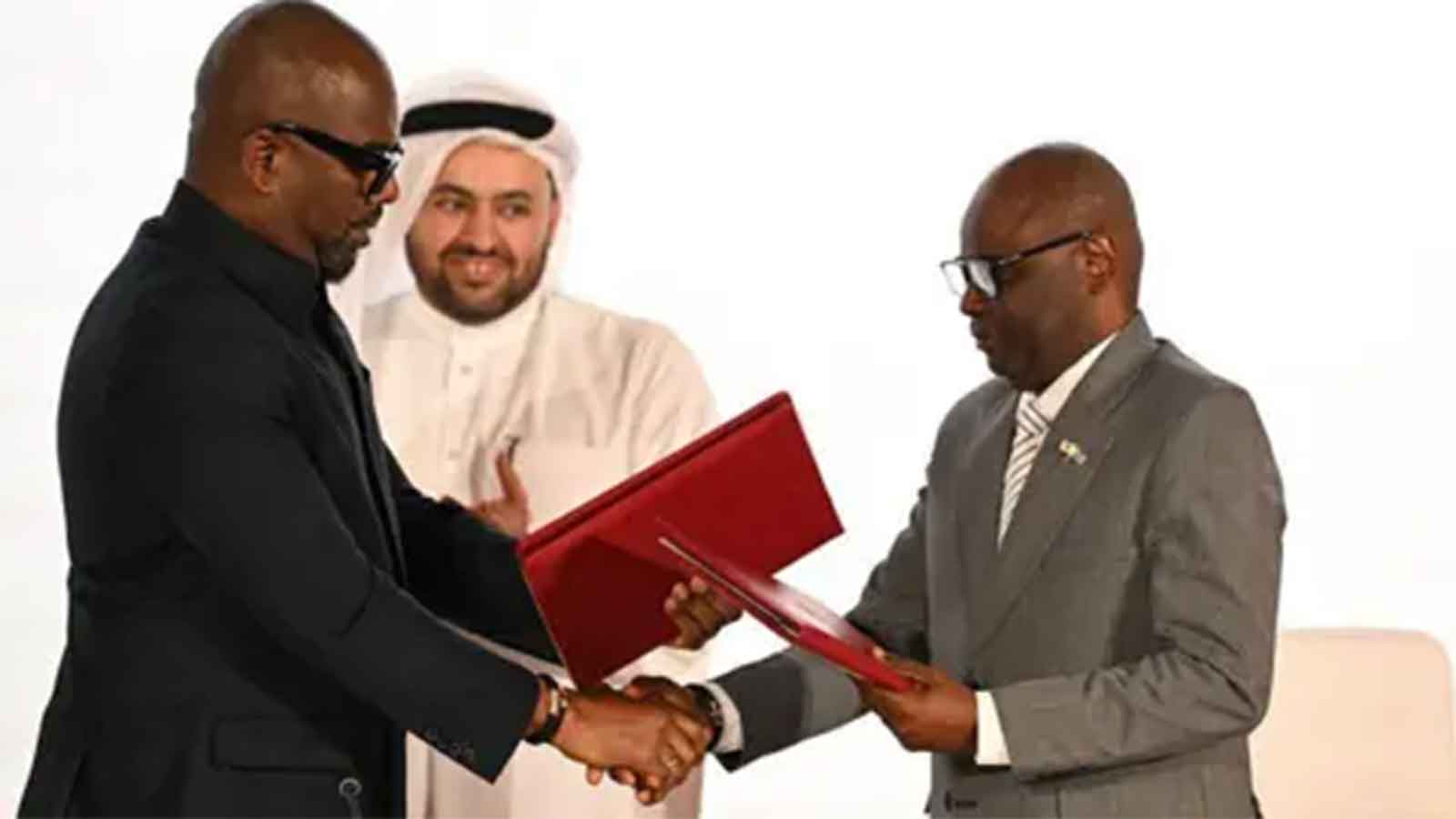
DOHA. – The Democratic Republic of the Congo and the M23 rebel group have signed a framework peace deal aimed at ending fighting in eastern Congo.
The ceremony was held on Saturday in Qatar, which along with the US and the African Union, has been trying to mediate an end to decades of conflict in the resource-rich region.
It’s the latest of several documents signed in recent months as part of US- and Qatar-backed efforts to end the decades-long conflict that has killed thousands of people and displaced hundreds of thousands more this year.
Qatar’s Minister of State for Foreign Affairs Mohammed bin Abdulaziz Al-Khulaifi said that the agreement sets the parties on the path towards peace.
“Peace cannot be enforced by force, but is built through confidence, mutual respect and sincere commitment,” he said.
US representatives said the framework covers eight protocols and negotiations are ongoing on how to implement six of them.
Qatar has been hosting talks between the two sides since April. In July, they agreed to a declaration of principles and in October reached a deal on the monitoring of an eventual ceasefire.
The US’s Africa envoy Massad Boulos said the document covered eight protocols and that most still required work. He also acknowledged that prisoner exchanges and ceasefire monitoring had been slower than originally hoped.
The new framework also addresses humanitarian access, the return of displaced people and protection of the judiciary, said Boulous.
Kinshasa is demanding the withdrawal of Rwandan troops from its territory.
The Trump administration has led mediation efforts between Rwanda — which is accused of backing M23 — and Congo, leading to the signing of a peace deal between the two countries in June.
In Congo, the violence has continued through the various diplomatic processes in Washington and Doha. On Friday, local officials reported as many as 28 people killed by Islamic State-allied militants in eastern North Kivu province.
In January, M23 fighters seized eastern Congo’s largest city Goma and went on to make gains across North Kivu and South Kivu provinces. — africanews.com