Chronicle Editor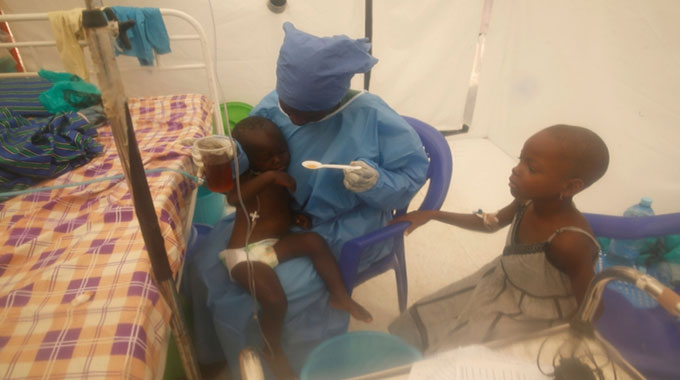
BUTEMBO, DRC – Eight-year-old Kennedy Muhindo was running a high fever and racked by stomach pain and diarrhoea.
Health workers told him he had Ebola but his first thought was for his sister who had been battling the virus.
“How is my big sister doing?” he asked health workers again and again at an Ebola treatment centre on the outskirts of Butembo, a major trading hub set amid volcanic hills in eastern Democratic Republic of Congo.
Staff said they didn’t have the heart to tell him that 9-year-old Lareine had died. “His sister was his best friend,” said Desy Shabani, who provides psycho-social support to the patients. “To have lost the dearest person in his life . . . I asked myself, ‘What will this child do?’”
The Ebola outbreak in Congo – the second-largest on record – has inflicted an unusually heavy toll on children. More than a quarter of the confirmed and probable cases identified as of early April were children under 15, compared to 18% in the last major outbreak in West Africa in 2013-2016, according to figures compiled by the World Health Organisation.
The disease can progress rapidly, crippling the immune system and shutting down vital organs. Young children and babies are especially vulnerable.
Their small bodies are less well equipped to cope with extreme fluid loss brought on by common symptoms such as diarrhoea, vomiting, fever and bleeding, said Daniel Bausch, an infectious disease specialist at the London School of Hygiene and Tropical Medicine.
More than two out of every three children infected in this outbreak have died compared with just over half the adults, the WHO said. As of May 26, the death toll stood at 1 281 people, including at least 541 who were under 18.
Fatality rates are highest for children under 4 who died at a rate of around 80% in West Africa, according to a study published in the New England Journal of Medicine in 2015. — Reuters



 Online Reporter