Kuda Bwititi in BEIJING
Zimpapers Politics Hub
ZIMBABWE-China relations are being strengthened through cultural exchanges and talent development, with the DreamStar Zimbabwe competition providing a platform for young people to showcase their abilities and build connections between the two countries.
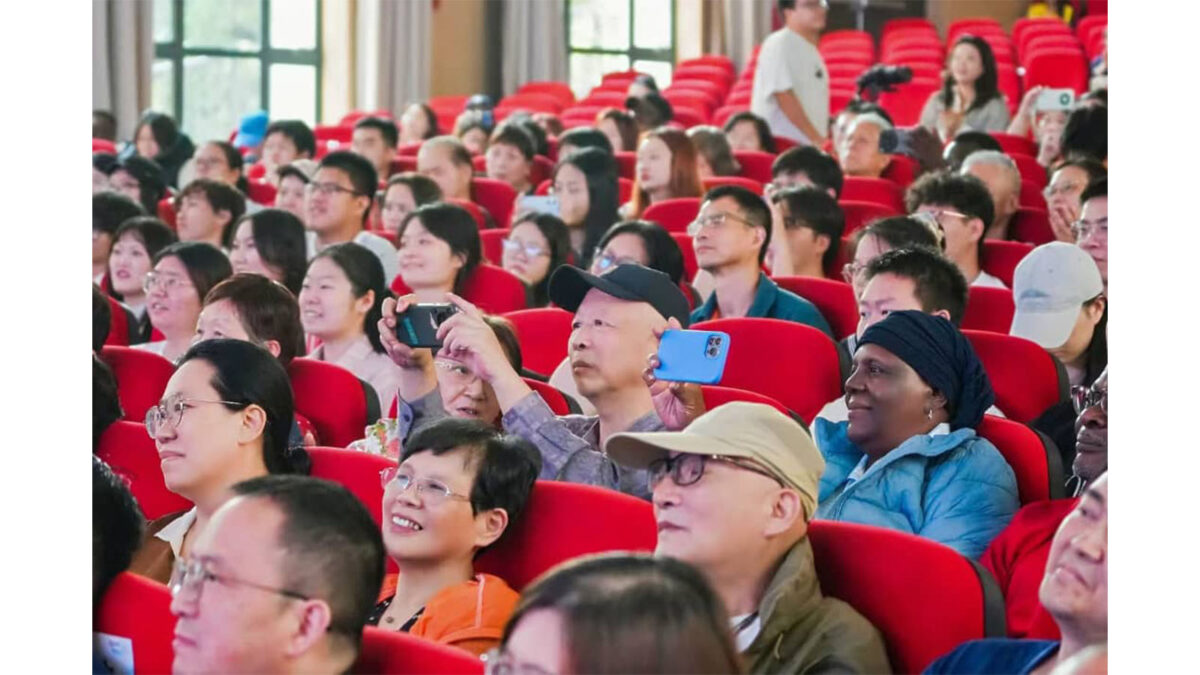
Speaking at a cultural exchange event in Shanghai, China, on Sunday, China-Zimbabwe Exchange Centre representative Mr Zhao Ke said the initiative was established to give talented Zimbabwean youths opportunities to develop their skills and showcase the country’s rich cultural heritage.
“Zimbabwe is a country with a rich tradition of music and dance. The mbira, the sound of drums and traditional dances are among the most precious cultural treasures of the African continent,” he said.
“Yet many gifted young people were unable to realise their potential because they lacked opportunities.”
Mr Zhao said the idea for DreamStar Zimbabwe emerged in 2014 after he encountered talented young people in Harare who had no platform to demonstrate their abilities.
“At the time, I asked myself: Why couldn’t we build a platform where these young people could take centre stage and showcase their own talents? That was how DreamStar Zimbabwe was born,” he said.
The competition adopted a model in which the Chinese community provides the platform while Zimbabweans showcase their talents.
It accommodates a wide range of performances, including traditional dances, contemporary music, magic and acrobatics.
Mr Zhao said the initiative had held 10 consecutive seasons, attracting more than 50 000 Zimbabweans to participate in auditions.
In August this year, the 10th-season grand finale and anniversary celebrations were held at the Seven Arts Theatre in Harare, with Chinese Ambassador to Zimbabwe Zhou Ding and Zimbabwe’s Deputy Minister of Culture attending.
Mr Zhao said his commitment to Zimbabwe extended beyond business, emphasising the importance of making a meaningful contribution to the country.
“I have always believed that doing business is only one part of the equation,” Mr Zhao said. “More importantly, we the Chinese people living in Africa must ask ourselves whether we can make a genuine contribution to this land.”
Mr Zhao, who arrived in Zimbabwe in 1996 at the age of 28, said his three decades in the country had seen his business interests expand from trade into tourism and cultural exchanges, logistics, real estate and mining.
He said he initially brought Chinese goods to Harare while taking stories about Zimbabwe back to China.
“From investing and doing business in Africa to participating in the governance of local institutions, these 30 years have been a journey of growth shared by Zimbabwe and me,” he said.
In 2015, Mr Zhao initiated the establishment of the China-Zimbabwe Exchange Centre, which has supported efforts to strengthen relations between the two countries.
He also said he had recently received approval from the Reserve Bank of Zimbabwe to serve as an independent non-executive director of FBC Holdings Group, describing his appointment as a milestone in his involvement in Zimbabwean institutions.
Mr Zhao said initiatives such as DreamStar demonstrated how cultural engagement could complement business relations by creating opportunities for young people and promoting mutual understanding.
The competition has become a platform for Zimbabwean talent while contributing to broader people-to-people exchanges between Zimbabwe and China.