Chronicle Editor
Fredrick Qaphelani Mabikwa
THE old saying, “Clothes make the man,” rings true even today. What we wear communicates a lot about ourselves — our personality, our professionalism, and even our aspirations. Dressing for success goes beyond just buying expensive suits for special occasions.
It’s about building a wardrobe of well-chosen pieces that you can mix and match to create a confident, self-assured and unique image.
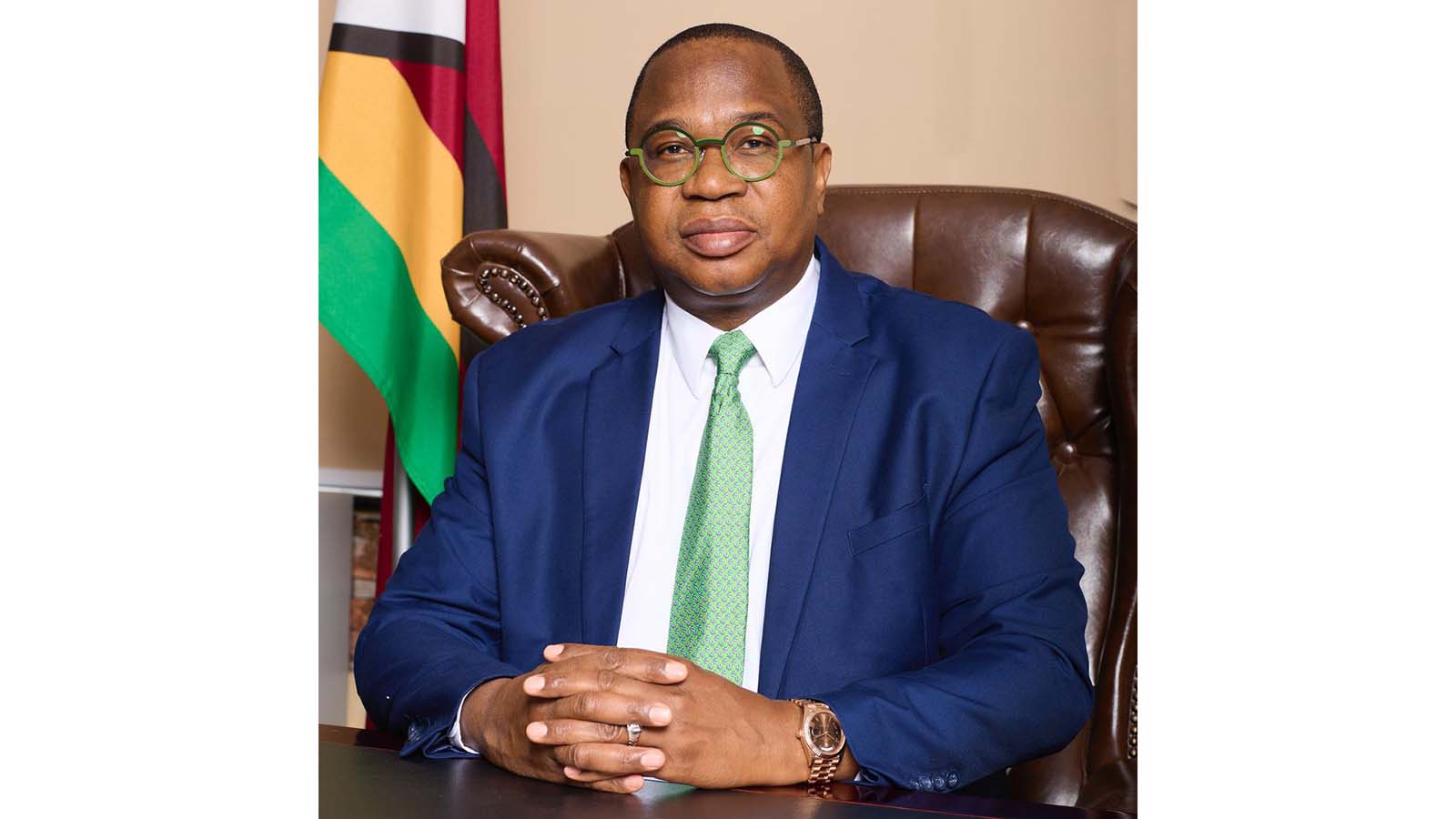
For men aiming for a formal look, a well-pressed, two-piece dark suit is a classic choice. Opt for high-quality fabrics like blended wool, and stick to formal colours like charcoal grey, navy blue or black. Bold or brightly coloured suits are best left for less formal settings.
The fit of your suit is crucial. The jacket sleeves should reach the end of your wrist when your arm hangs naturally. The jacket length should fall at your thumbs, allowing a sliver of your shirt cuff to show.
Ideally, the jacket should also cover your buttocks. Avoid overly long jackets that reach your knees, and opt for jackets with two or three buttons at most. Suits with short sleeves or excessive buttons stray from the formal look.
Pair your suit with a matching tie. Choose a high-quality, preferably silk tie, in a conservative solid colour. Avoid loud patterns, pictures, words, or knitted ties, as these are not appropriate for formal occasions. The ideal tie length ends just at your belt buckle.
A crisp, white, long-sleeved, button-down dress shirt completes the formal look. Polished black shoes and a matching leather belt further elevate your attire.
Stick to classic styles like black lace-ups, dark brown lace-ups, or loafers. Avoid flashy shoes with multiple colours. Socks should be dark and match your suit — black, grey, navy, or charcoal are all safe choices. Bright, patterned socks can detract from the overall look.
Ditch the casual wear. Formal attire is all about a polished look. Avoid items like anoraks, bomber jackets, polo necks, sneakers, sandals, t-shirts, jeans, track jackets, hoodies, cargo pants, shorts, and even linen pants. These items are too relaxed or lack the structure needed for a formal setting.
Formal trousers should be dark-coloured (black, grey or navy) and have a single, solid colour. Avoid patterned trousers in formal settings. Formal shirts should have collars, and while sweaters are acceptable, opt for V-necks to showcase your tie.
Solid-coloured shirts are best, as flashy, multi-coloured shirts can be difficult to match with ties.
For business casual settings, you have more flexibility. Consider incorporating polo shirts, short-sleeved button-down shirts, or lightly patterned button-down shirts. A casual blazer, sweater, chinos or khakis can also be appropriate.
A professional appearance includes well-groomed hair. Short hair styled neatly and a clean-shaven face are ideal for formal settings. However, cultural and religious traditions may influence hairstyle choices, and long hair or beard might be perfectly acceptable in some workplaces.
Regardless of your position in your organisation, dressing professionally can significantly impact how you’re perceived. Your attire reflects your inner personality and creates a lasting first impression.
Wearing appropriate formal wear allows you to project confidence and competence to others. Dressing well can boost your self-esteem, which is essential for success in any field. After all, confidence is key to performing well in a competitive environment.
So invest in building a wardrobe that empowers you to look and feel your best, paving the way for your professional success.


 Online Reporter