
Online Reporter
A drone carrying essential medicines from Harare to Marondera and returning with a blood sample for laboratory analysis has demonstrated how emerging technology could help Zimbabwe overcome some of the logistical barriers affecting healthcare delivery.
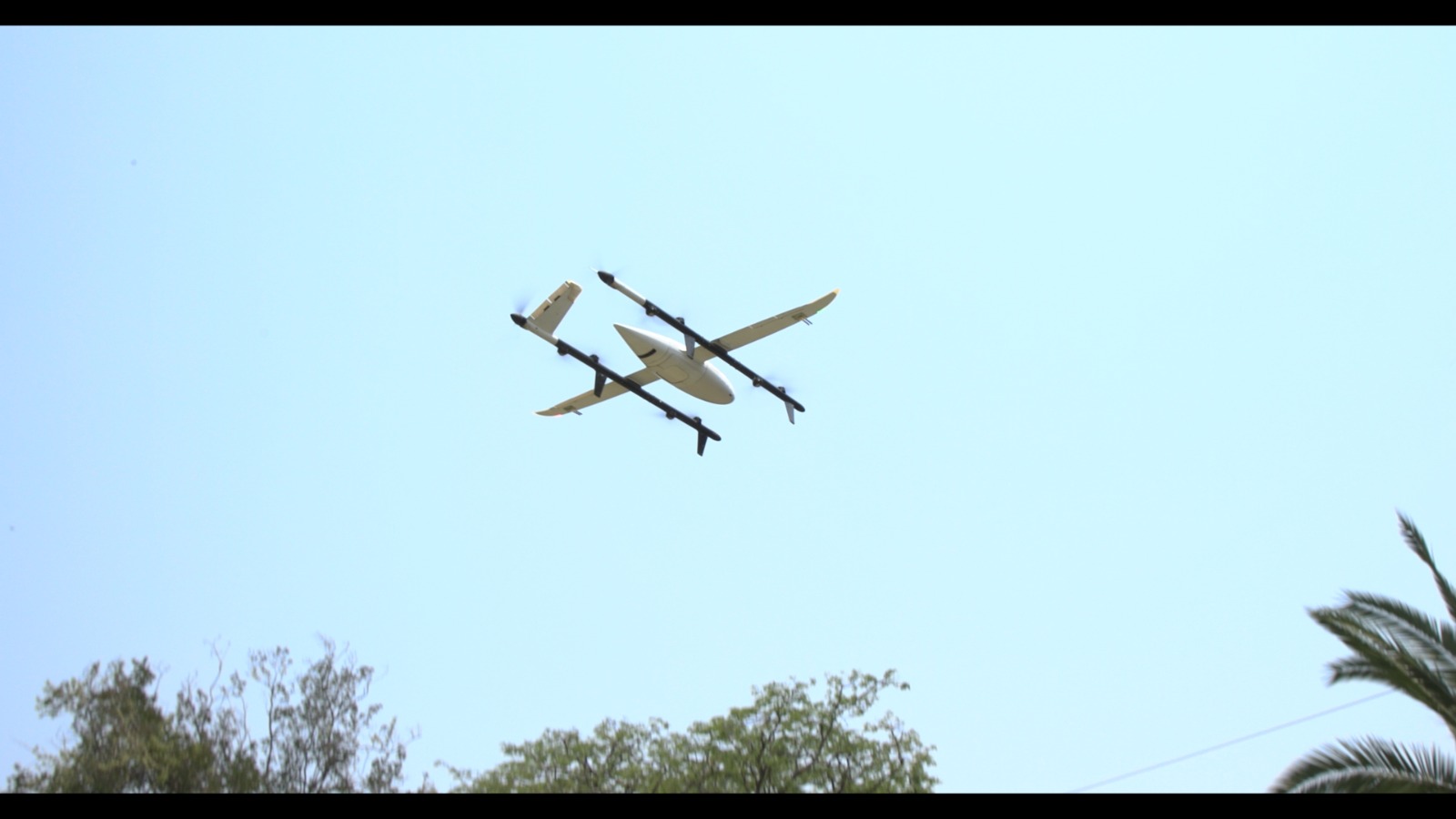
The two-way trial conducted by Drone Solutions (Pvt) Ltd and HealthPoint on Wednesday covered approximately 150 kilometres in 70 minutes, opening a new avenue for exploring faster transportation of medical supplies and diagnostic samples between healthcare facilities.
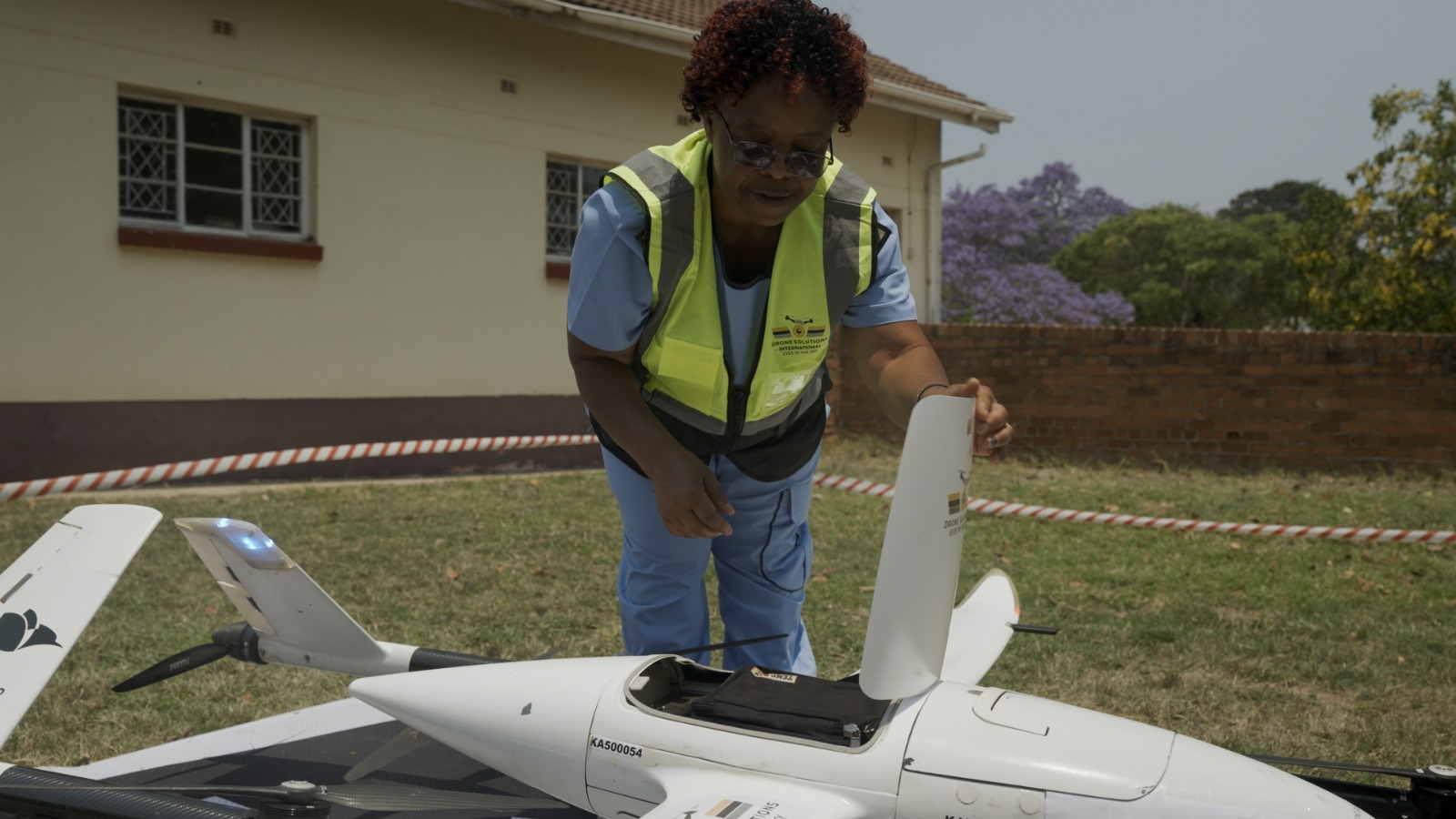
The Kite Aero drone departed HealthPoint Hospital in Belgravia, Harare, carrying medicines to Borradaile Hospital in Marondera, covering 76 kilometres along a Civil Aviation Authority of Zimbabwe-approved flight route.
On its return, it transported a blood sample to HealthPoint’s Upper East Road Diagnostics Laboratories in Harare, covering a further 74 kilometres.
HealthPoint chief executive officer, Mr Peter Annesley, said timely access to medical products was critical to saving lives.
“Within the HealthPoint ecosystem, we need medical products to reach their recipients at the earliest possible opportunity. We are ultimately about saving lives and timely access to essential medical products is an important part of that commitment,” he said.
The initiative is intended to assess how drone technology could complement conventional transport by reducing delays in the delivery of essential medical products and the movement of diagnostic samples between healthcare facilities.
Drone Solutions Zimbabwe chief executive officer, Mr Jeremiah Musabayana, said the trials were focused on identifying practical applications for the technology in healthcare delivery.
“Our ambition is to make distance less of a barrier to access, not by replacing conventional transport, but by adding a safe, practical and reliable delivery option where it can make a meaningful difference,” he said.
“To translate these trials into sustainable impact, we invite healthcare providers, development and technology partners and the public and private sector to join us in transforming this innovation into a dependable solution for communities across Zimbabwe.”
The Kite Aero aircraft has a cargo capacity of up to four kilogrammes, a cruising speed of 120 kilometres per hour and a maximum flight range of 277 kilometres under specified operating conditions.
Mr Musabayana said further assessments would examine the technology’s operational performance, safety, cost-effectiveness and potential benefits to patient care before any expansion of the service.
“Further assessments will examine cost-effectiveness, operational performance, safety, and patient-care benefits to guide the responsible integration and potential expansion of drone delivery services within Zimbabwe’s healthcare system,” he said.
The technology could potentially help connect rural clinics, hospitals and specialised laboratories, particularly where distance and transport challenges delay the movement of medical supplies and samples.
But a wider adoption would depend on regulatory compliance, reliable operations and evidence that drone deliveries offer practical and economic advantages over existing transport arrangements.
The trial builds on the Drone Solutions and Zimpost partnership launched in Plumtree on October 10 during World Post Day commemorations, as the company explores drone-enabled delivery applications across Zimbabwe.