
Judith Phiri [email protected]
THE Ministry of Agriculture, Mechanisation and Water Resources Development has called for drought-proofing of the national herd through turning maize and wheat stover into urea-treated feed as well as building fodder banks ahead of the forecast El Niño phenomenon.
Dubbed a powerful “Super” El Niño, global weather models indicate a 90 percent probability that the weather event will develop during the 2026/27 summer growing season.
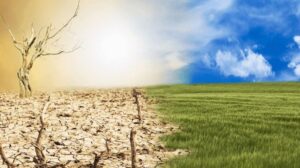
In Southern Africa, the El Niño phenomenon is primarily characterised by significantly below-normal rainfall, prolonged mid-season dry spells, delayed rainy seasons and much higher-than-average temperatures.
These conditions frequently combine to cause severe, widespread droughts that devastate regional agriculture and water supplies.
Livestock and Fisheries Production Director, Mr Milton Makumbe said farmers should bale dry grass, stop burning crop residues and preserve every available source of feed before pastures deteriorate.
“Urea treatment can lift stover’s crude protein from about three percent to between nine percent to 12 percent, improving digestibility and helping livestock survive when grazing disappears,” he said.
“Farmers have been urged to seek professional guidance on treatment to prevent urea poisoning.
The message is simple, do not burn tomorrow’s livestock feed today.”
As farmers would soon start harvesting winter wheat, they have been called on to use the straws as a cheap, high-fibre dry roughage to feed ruminants like cattle and sheep during lean or dry seasons.
However, it has low protein, low energy and poor digestibility on its own, so it must be mixed with protein supplements or chemically treated to be fully effective.
Agricultural expert, Ms Londiwe Ndlovu said farmers that have done wheat should continue to have hay bales of the straws during the coming harvesting period.
“They then need to be educated to make sure that they are able to cut hay much earlier, normally farmers leave it until it is very late to cut hay with reduced nutrition,” she said.
She said it was key for farmers to have enough hay bales to feed their cattle, while they will also be trained to do urea treatment of stover to increase the protein content.
Ms Ndlovu said a livestock plan was critical for the 2026/27 summer season to make sure that livestock are not affected by the predicted El Niño-induced drought.
“Farmers are also encouraged to grow fodder at smallholder level so that every household is able to get prepared to make sure that they feed their livestock. Dairy farmers can also do silage as a core part of their feeding strategy to maintain high milk yields, especially during dry or low-pasture seasons,” she said.
Fodder and silage production has been critical to farmers as they reduce over-reliance on pastures which have become unpredictable due to climate change, while on-farm feed production (OFFP) is playing a crucial role on supplementary feed for livestock.
On-farm feed production cuts feeding costs by up to an estimated 75 percent, gives farmers direct control over ingredient quality and reduces reliance on commercial suppliers.
They can use harvested crops like maize or sorghum to adjust formulas for local livestock needs.
Zimbabwe is intensifying efforts to build a climate-resilient national herd as it targets at least six million cattle by 2030 from the present 5,7 million cattle.