Online Reporter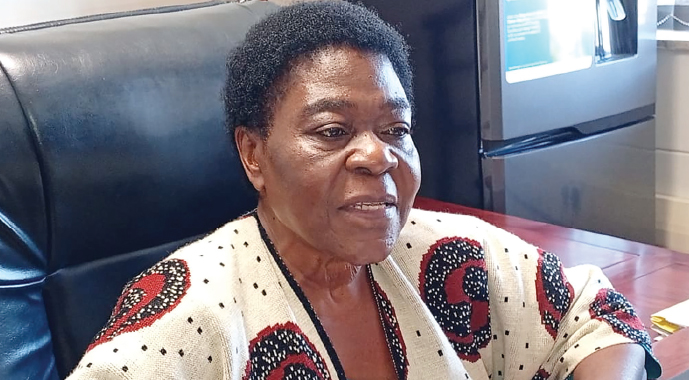
Sikhumbuzo Moyo, [email protected]
THE scourge of drug and substance abuse is no longer a mere health issue, but a social crisis, economic emergency and serious national security threat, Bulawayo Minister of State for Provincial Affairs and Devolution Judith Ncube has said.
Speaking on the first day of a two-day workshop for the Bulawayo Provincial Drug and Substance Abuse Taskforce at yesterday, Minister Ncube said the workshop comes at a critical juncture in the country’s development.
Zimbabwe, like many countries across the globe, is facing an escalating drug and substance abuse crisis, particularly among young people.
With 32 percent of the national population aged between 10 and 24 years, Ncube said the youth were not only the country’s greatest demographic asset but also the future.
“Drug and substance abuse is no longer merely a health issue. It’s a social crisis, an economic emergency and a serious national security threat,” said Minister Ncube.
She said the province could not afford to treat the scourge as an isolated problem requiring the intervention of the health sector alone, but needed a coordinated response involving Government departments, law enforcement agencies, schools, communities, families, civil society and other stakeholders.
Minister Ncube said the workshop provided an opportunity for the taskforce to take stock of the drug and substance abuse situation in the province, identify gaps in the current response and strengthen strategies aimed at prevention, treatment, rehabilitation and enforcement.
She challenged stakeholders to move beyond reactive measures and intensify prevention programmes targeting young people before they become victims of substance abuse.
“The fight against drug and substance abuse requires a whole-of-society approach. We must strengthen prevention, early intervention, treatment and rehabilitation while also addressing the factors that make young people vulnerable to substance abuse,” she said.
Minister Ncube said families and communities have a critical role to play in identifying early warning signs and supporting young people struggling with substance abuse, while schools remained important platforms for prevention and awareness.
She said the fight also required stronger enforcement against those who profit from the illegal drug trade, particularly individuals and syndicates that deliberately targeted young people.
The two-day workshop is expected to strengthen coordination among members of the Bulawayo Provincial Drug and Substance Abuse Taskforce and develop practical interventions to curb the scourge in the province.
The engagement comes as Government intensifies efforts to tackle drug and substance abuse through a multi-sectoral approach, with prevention, rehabilitation, community awareness and enforcement forming key pillars of the response.
Minister Ncube said the consequences were devastating, citing surging mental health challenges, rising crime, increased school dropouts, broken family structures and dwindling productivity.
“This is not just a health issue. It is a social crisis. It is an economic emergency. It is a national security threat,” she said.
Government remains fully committed to combating this scourge. In April 2024, Cabinet approved the Zimbabwe Multi-Sectoral Drug and Substance Abuse Plan (2024-2030), a framework that calls for inclusive, evidence-based and coordinated action.
Minister Ncube said the training was a practical step towards strengthening implementation of the plan and reflected Government’s understanding that the drug and substance abuse battle could not be won by one sector alone.
She said participants would have an opportunity to strengthen their understanding of the drug and substance abuse situation, share experiences and explore practical strategies for prevention,
treatment, rehabilitation, harm reduction and community reintegration.
Meanwhile, detectives from the Zimbabwe Republic Police’s Drugs and Narcotics section revealed that 933 people suspected of either using or selling drugs and substances had been arrested between January and mid-August this year.
Detective Constable Emelly Mashindi said Zimbabwe was no longer merely a transit route for illicit drugs and substances but had become a consumer market.
She said the country was receiving illicit drugs from several countries in Africa and beyond.
Det Cst Mashindi said most criminals arrested in Zimbabwe claimed to have sourced drugs from South Africa, Zambia, Mozambique, the Democratic Republic of Congo, Malawi, Afghanistan, India,
Mexico, Lebanon, Guatemala, Peru, Brazil and Pakistan.
The most commonly abused drugs in Zimbabwe included cannabis, crystal methamphetamine, cocaine, skin and sex enhancers and heroin.
Another Det Cst Innocent Tom, said the supply reduction pillar was integral to Zimbabwe’s comprehensive strategy for addressing drug and substance abuse.
He said enforcing laws, regulating substances, controlling borders and fostering inter-agency collaboration were key to tackling the supply side of the drug crisis.
However, Det Cst Tom said efforts to curb the supply of illicit drugs were being hampered by several challenges, including lenient legislation for some drug-related offences, a shortage of manpower and a shortage of high-powered motor vehicles.