Online Reporter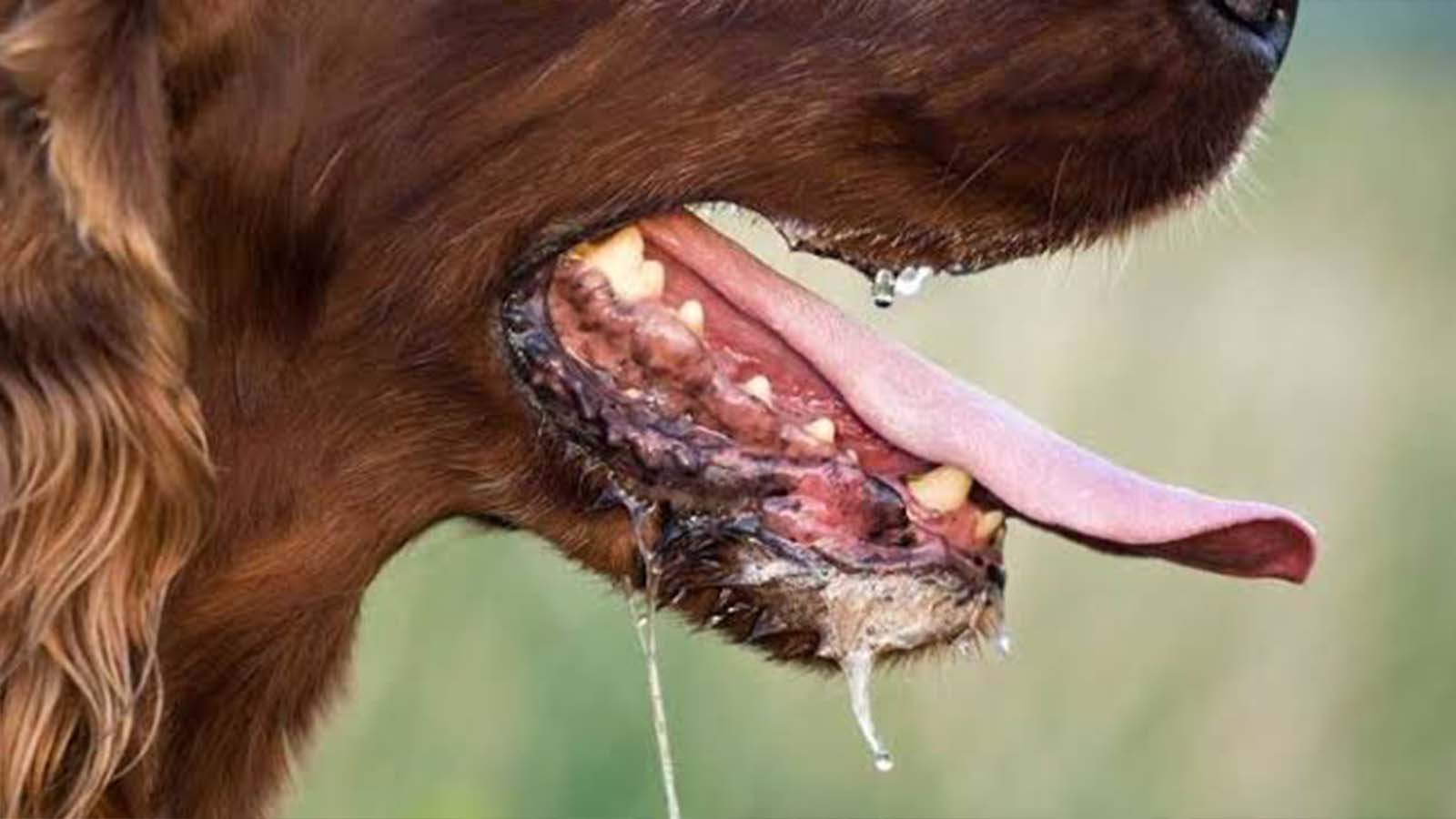
Sharon Jiyamwa and Doris Mpala
The Directorate of Veterinary Services has called for collaboration between veterinarians and the public to eliminate dog-mediated rabies.
This comes as the Government is targeting to vaccinate 500 000 dogs this year to prevent human deaths from the fatal disease.
In his message on World Rabies Day, which is commemorated on September 28, Veterinary Technical Services deputy director- Epidemiology and Informatics in the Department, Dr George Hanyire said adequate stocks of rabies vaccines had been secured and were available at Government veterinary offices countrywide at US$1 per dose.
“The programme forms part of Zimbabwe’s One Health approach, which recognises the interconnection between human, animal and environmental health,” he said.
“Eliminating dog-mediated rabies requires collaboration among veterinary and public health authorities, local leadership, schools, communities and dog owners.”
Dr Hanyire urged dog owners to take their animals for vaccination or participate in community vaccination campaigns being conducted across the country.
“Rabies is one of the world’s deadliest zoonotic diseases, affecting both animals and people. Although the disease is always fatal once clinical signs develop, it is entirely preventable through regular vaccination of dogs, responsible pet ownership and prompt medical treatment following exposure,” said Dr Hanyire.
Dogs are the principal source of human rabies infections, making mass vaccination critical in interrupting transmission and protecting communities.
Dr Hanyire said veterinary teams were conducting vaccinations through district veterinary offices, animal health management centres and community vaccination points, with targeted campaigns being undertaken in areas reporting rabies cases and other high-risk communities.
“The availability of vaccines alone cannot stop rabies — owners must bring their dogs for vaccination,” he said.
The Government is also supporting the programme through disease surveillance, laboratory diagnosis, community outreach and public awareness campaigns.
Cross-border coordination is being strengthened in areas where the movement of people and animals could contribute to the spread of the disease, with engagement with neighbouring countries proposed to facilitate coordinated vaccination activities in border communities.
“The Directorate of Veterinary Services is also urging members of the public to report animals displaying unusual behaviour, unexplained aggression, excessive salivation, paralysis or difficulty swallowing,” said Dr Hanyire.
“People are advised not to handle suspected rabid animals and should immediately wash wounds with soap and running water for at least 15 minutes after being bitten or scratched before seeking urgent medical attention.
“Medical attention must not be delayed while waiting to see the animal or for laboratory results. Timely post-exposure treatment can prevent rabies from developing.”