Online Reporter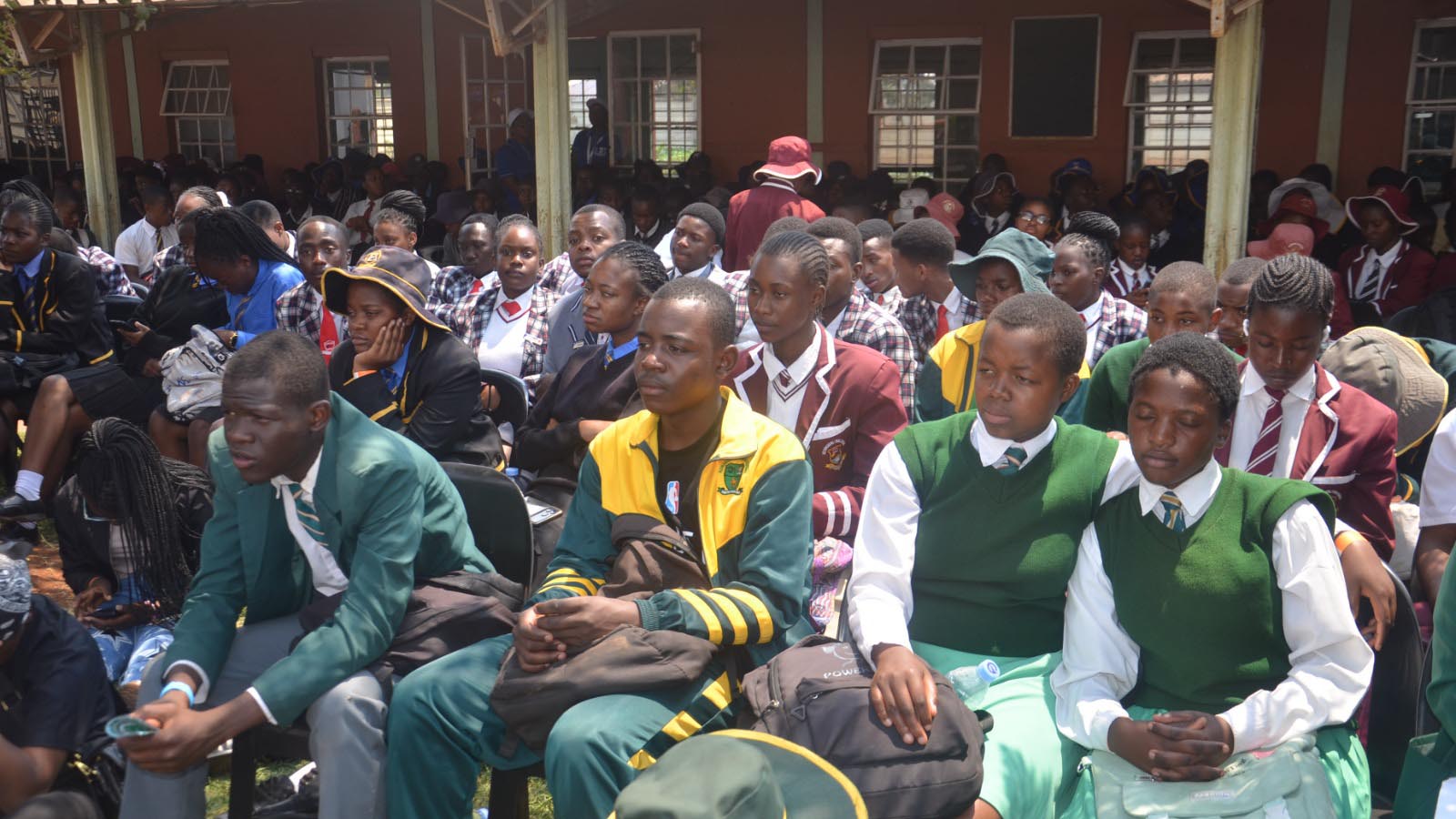
Sharon Jiyamwa
Herald Reporter
Dzikwa Trust’s Career Guidance Day has allowed vulnerable learners to engage directly with companies and professionals as part of efforts to help them make informed decisions about their future careers.
The event, held at the Dzikwa Trust Centre in Dzivarasekwa, brought together students, companies and other stakeholders, with learners able to interact directly with exhibitors and learn about the skills and qualifications required in different industries.
Speaking to Zimpapers on Friday, Finnish Ministry for Foreign Affairs senior specialist Ms Tinna Kajakoski said the initiative reflected Finland’s priorities of promoting education, the rights of girls and climate action.
“I have travelled from Finland, where we first of all think that the right to education for everybody is important,” she said.
“Rights of girls have been our priority, right to education is another priority, and the third priority that we have is actually climate action.”
The career exhibition also provided learners with an opportunity to speak directly to companies without the influence of parents or peers.
Ms Kajakoski said such interactions gave learners first-hand knowledge of the employment market and the skills employers require.
“I think that gives them the direct idea of what the companies need, what the job market is about, what the employers and the skills that are needed are,” she said.
“The benefit has been huge, because they have a realistic goal. They have something realistic to grasp on, and what makes them then study harder each and every year.”
Ms Kajakoski said she was impressed by the partnerships between Dzikwa Trust, the private sector, civil society and other stakeholders.
She said public-private partnerships were important in creating sustainable development outcomes, adding that companies played a critical role in driving economies while civil society organisations remained important development partners.
Founder Trustee Seppo Ainamo highlighted that education is the cornerstone of national prosperity and that a robust school system is directly linked to robust economic performance; investing in quality learning sparks job creation and drives technological innovation, serving as the foundational engine for a thriving economy.
“It leads to employment, which leads to innovation, and development of the economy. Education is the basis of everything. That’s why we are here.”
Trust board member Mr Stephen Gwasira said the Career Guidance Day was part of the organisation’s broader efforts to transform the lives of vulnerable children through education and other interventions.
He said Dzikwa Trust had been operating for more than 30 years and had supported about 1 300 children through primary, Ordinary Level and Advanced Level education, while 177 had gone through tertiary education.
“We have professionals right across all the sectors who have come out of these efforts, this initiative by Dzidzo,” Mr Gwasira said.
“We have engineers, we have aeronautical engineers, we have medical doctors, we have accountants, and it brings us great joy to see that we are making a difference in this community and in Zimbabwe as a result.”
Mr Gwasira said the organisation’s work went beyond formal education, with programmes covering e-learning, performing arts and social enterprise.
He said supporting children to acquire education and eventually enter the workforce had wider benefits for families and the national economy.
“It means that once a child has gone through the system and is able now to serve, either by creating employment on their own or by serving in various other sectors, they are then able to support their own core families and extended families,” he said.
“This helps in the development of the country, in the growth and development of the economy.”
Mr Gwasira said Dzikwa Trust had a particular focus on the girl child, who he said had historically not always received adequate opportunities to advance through education.
“Our bias is towards girls, for obvious reasons, because they have not always received the opportunities that they need to advance in the education area and in other areas,” he said.
The organisation is also working to keep vulnerable children occupied and away from drug and substance abuse.
Mr Gwasira said a recent survey conducted in the Zvimba/Seke area had highlighted the scale of challenges facing children in the communities.
“We’ve established that there’s something in the region of 280 children who don’t even have birth certificates,” he said.
“There are something like 620 children who have not been able to go to school, who are just loitering around.”
He said the figures demonstrated the continued need for interventions targeting vulnerable children.
Mr Gwasira said the success of children who had passed through the DzikwaTrust programme demonstrated what could be achieved when vulnerable learners were given opportunities to access education.
The organisation’s career guidance initiative therefore seeks to connect learners with the world of work while exposing them to possible career paths and the skills needed to pursue them.