Online Reporter
Nqobile Bhebhe [email protected]
FOR nearly two decades, Zimbabwe’s flagship tourism showcase was known simply as the Sanganai/Hlanganani World Tourism Expo, a name that became synonymous with the country’s efforts to connect its tourism industry with global markets.
That identity began evolving in 2025, when the expo was renamed Sanganai/Hlanganani/Kumbanayi as it moved from its traditional home in Bulawayo to Mutare, reflecting the Government’s devolution thrust and its drive to spread the economic benefits of tourism across the country.
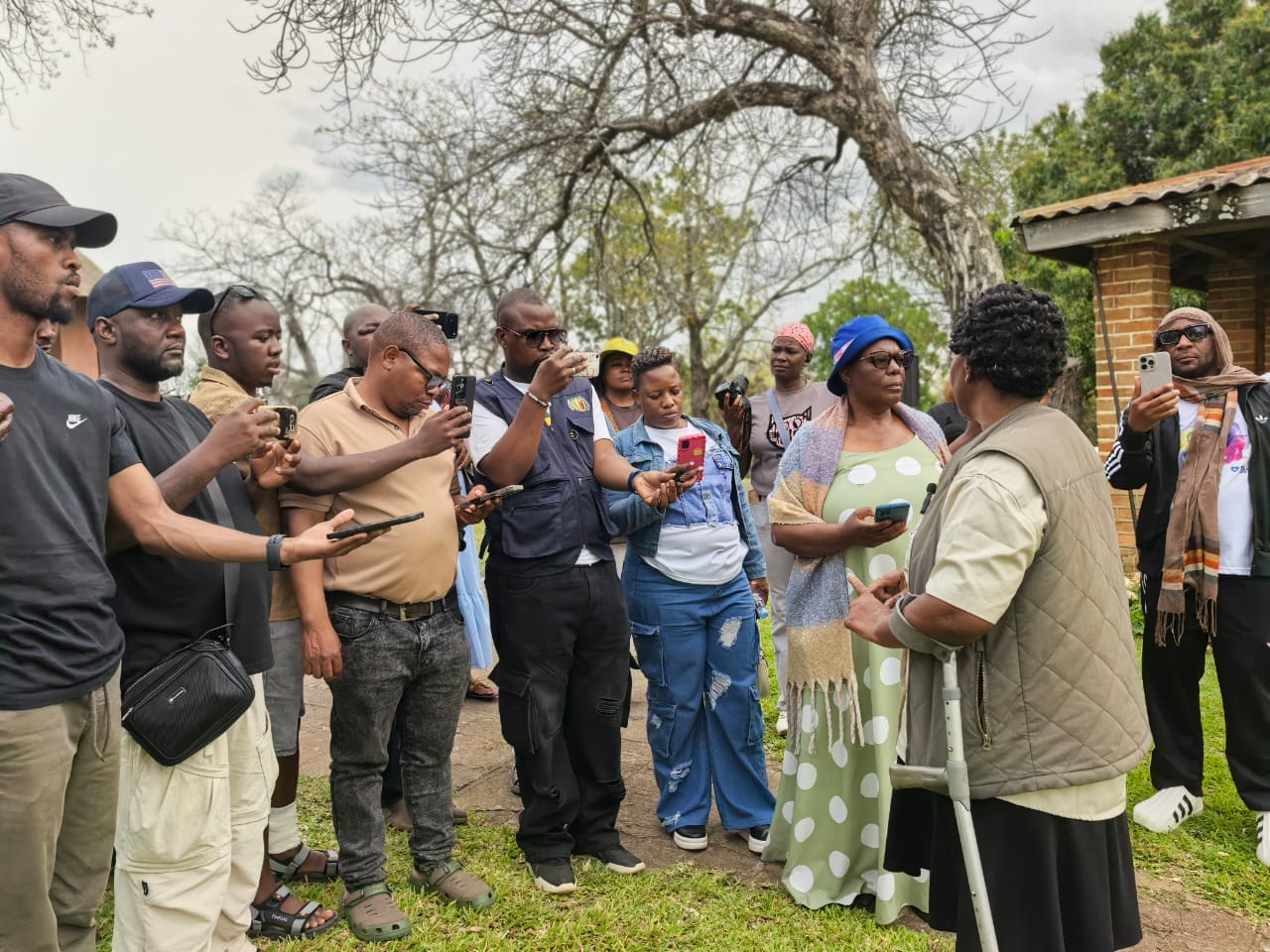
Now, as the expo enters a new chapter, it has assumed another identity, Sanganai/Hlanganani/Dzimbahwe World Tourism Expo, as Zimbabwe continues to refine the branding of its flagship tourism marketplace.
However, the successive name changes do not represent a shift in the expo’s core focus or mandate.
Rather, they reflect an evolution in identity and positioning, while the fundamental objective remains the same: to market Zimbabwe as a competitive tourism destination, connect local tourism businesses with international markets and stimulate investment into the sector.
The latest name evolution comes as the tourism showcase enters its 19th edition in Masvingo from September 9 to 12 with the country seeking to leverage its heritage, culture, wildlife, adventure, gastronomy, sport and Meetings, Incentives, Conferences and Exhibitions (MICE) tourism offerings to deepen its penetration of international tourism markets.
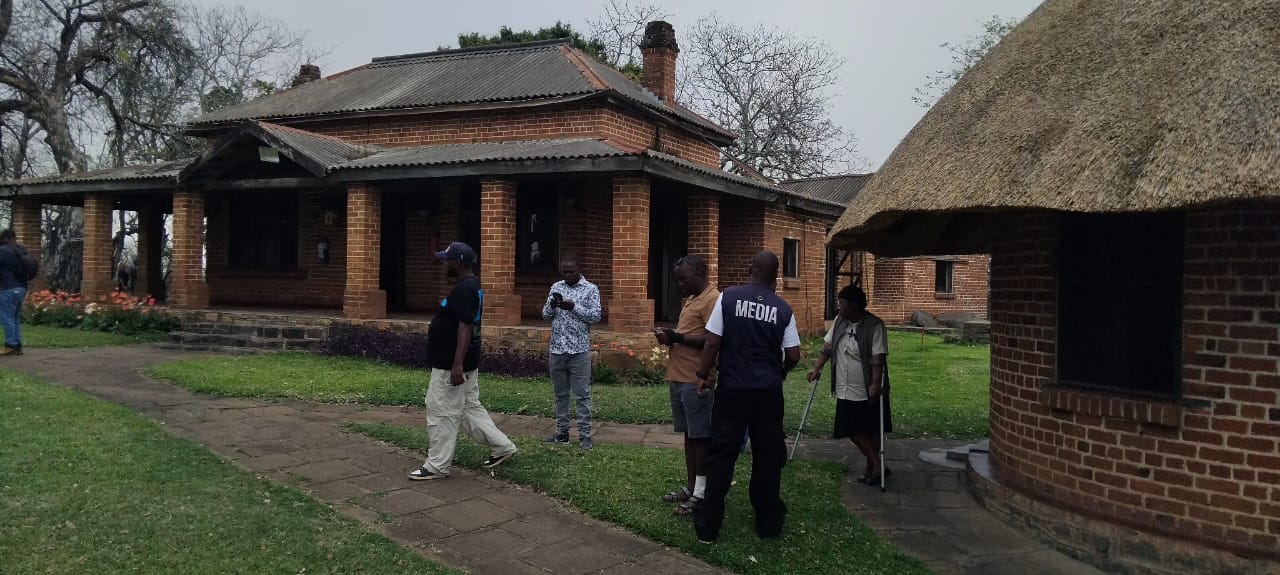
The Masvingo edition comes at a time when Government is seeking to convert Zimbabwe’s growing international tourism profile into tangible arrivals, investment and revenue, while strengthening the sector’s contribution to inclusive economic growth.
In its formative years, Sanganai was largely about putting Zimbabwe back on the international tourism map and creating a dedicated marketplace where local operators could engage international buyers, tour operators, airlines, investors and travel media.
The proposition was relatively straightforward: Zimbabwe had Victoria Falls, Hwange National Park, Great Zimbabwe and an exceptional wildlife offering.
But the tourism proposition has since become considerably broader.
Today, Sanganai provides a platform for Zimbabwe to sell experiences ranging from wildlife and adventure tourism to heritage, culture, gastronomy, conferencing, wellness and community-based tourism.
Mrs Zanele Dube, a tourism industry player, said the expo had become an important vehicle for changing perceptions of Zimbabwe in international markets.
“Over the years, Sanganai has grown beyond being an exhibition. It has become a platform where Zimbabwe tells its story to the world. For me the biggest achievement has been creating visibility for destinations and products that were previously not well known internationally,” she said.
That shift has significant commercial implications.
For Zimbabwe, the challenge is no longer simply attracting attention but converting attention into tourists who stay longer, spend more and travel beyond the traditional tourism circuits.
It is also about ensuring that the international buyers arriving at Sanganai leave with Zimbabwean products incorporated into their itineraries and packages — creating business that continues long after the exhibition closes.
The 2026 edition has already attracted more than 80 international buyers from markets including Australia, China, Japan, India, the United Kingdom, France, Germany, the United Arab Emirates and South Africa.
The diversity of these markets provides Zimbabwean operators with an opportunity to build relationships beyond their established source markets and develop products suited to different traveller segments.
For small and emerging tourism enterprises, which often struggle to access international markets, such linkages can be particularly valuable.
Mr Diamond Khumalo, a tourism operator, said the expo was providing businesses with a direct route to global markets.
“For many tourism players, especially small and emerging operators, international exposure is one of the biggest challenges. Sanganai creates a direct link between Zimbabwean businesses and global buyers. The relationships built during the expo often translate into future bookings, partnerships and investment opportunities,” he said.
The commercial prize, therefore, lies in converting the buyer-seller meetings into sustained visitor arrivals, hotel bookings, tour packages, investment and foreign-currency-generating business.
This is where the decision to rotate Sanganai among provinces assumes greater significance.
The 18th edition in Mutare last year demonstrated how the expo can move beyond being a tourism exhibition and become a destination-development tool, allowing host provinces to expose their attractions and identify areas requiring investment.
Masvingo now has the opportunity to use the 19th edition to put its own tourism economy firmly on the international map.
The province has one of Zimbabwe’s strongest heritage assets in Great Zimbabwe, alongside Lake Mutirikwi, Kyle Recreational Park and a range of cultural and natural attractions.
However, many of these assets remain significantly underexposed internationally.
Hosting Sanganai provides a direct opportunity to present them to international buyers while showcasing investment opportunities that can increase the province’s tourism capacity.
A Zimbabwe Tourism Authority representative said growing interest in the expo had spread beyond tourism operators to the wider Masvingo community.
“Everyone is very excited, from the general public to tourism players and they wish it could be held over a longer period. This goes to show how excited everyone is.
“There are a lot of people in Masvingo who want to be involved and have their efforts contribute to the bigger success of the event,” said the ZTA representative during a recent stakeholder’s webinar engagement.
The excitement is also exposing gaps that could become opportunities for investors.
“The issue of accommodation, be it a resort or lake-side accommodation, those are part of the
opportunities available. The tourism sector in Masvingo is growing, there is a need for those areas to be further developed,” added the ZTA representative.
This investment dimension could become one of the most important legacies of the Masvingo edition.
As visitor numbers increase, demand rises for accommodation, restaurants, transport, entertainment, conference facilities, telecommunications and recreational products.
Sanganai consequently creates a temporary concentration of international attention that host destinations can use to market longer-term investment propositions.
The relationship between tourism and infrastructure is already evident in Masvingo, where rehabilitation works at the provincial airport are underway ahead of the expo.
The rotational hosting model therefore creates both pressure and opportunity; the provinces must improve their readiness to host visitors while using the exposure to attract investment that will support tourism growth after the event.
Tourism analyst Ms Anna Baloyi said unlocking destinations beyond the traditional circuits was critical to the future of the sector.
“The future of tourism growth lies in unlocking destinations beyond the traditional circuits. Sanganai is helping Zimbabwe demonstrate that every province has a tourism story to tell and every community can participate in the tourism economy,” she said.
The commercial footprint of this year’s showcase is also being expanded through sport tourism.
The September Sports Tourism Carnival, which ran from September 1 to 4, formed part of the pre-events leading to the main tourism expo, followed by a Street Carnival on September 5.
The strategy is to turn Masvingo into a hive of activity around the expo while exposing visitors to another dimension of Zimbabwe’s tourism proposition.
For hotels, restaurants, transport operators, retailers and informal businesses, increased visitor activity translates into potential additional revenue.
The initiative also dovetails with Government’s broader strategy of using sport to diversify tourism and stimulate economic activity.
Under the Tourism Recovery and Growth Plan, sport tourism has been identified as an area with significant potential, while National Development Strategy 2 positions sport alongside tourism, culture and infrastructure as potential drivers of economic growth.