admin
admin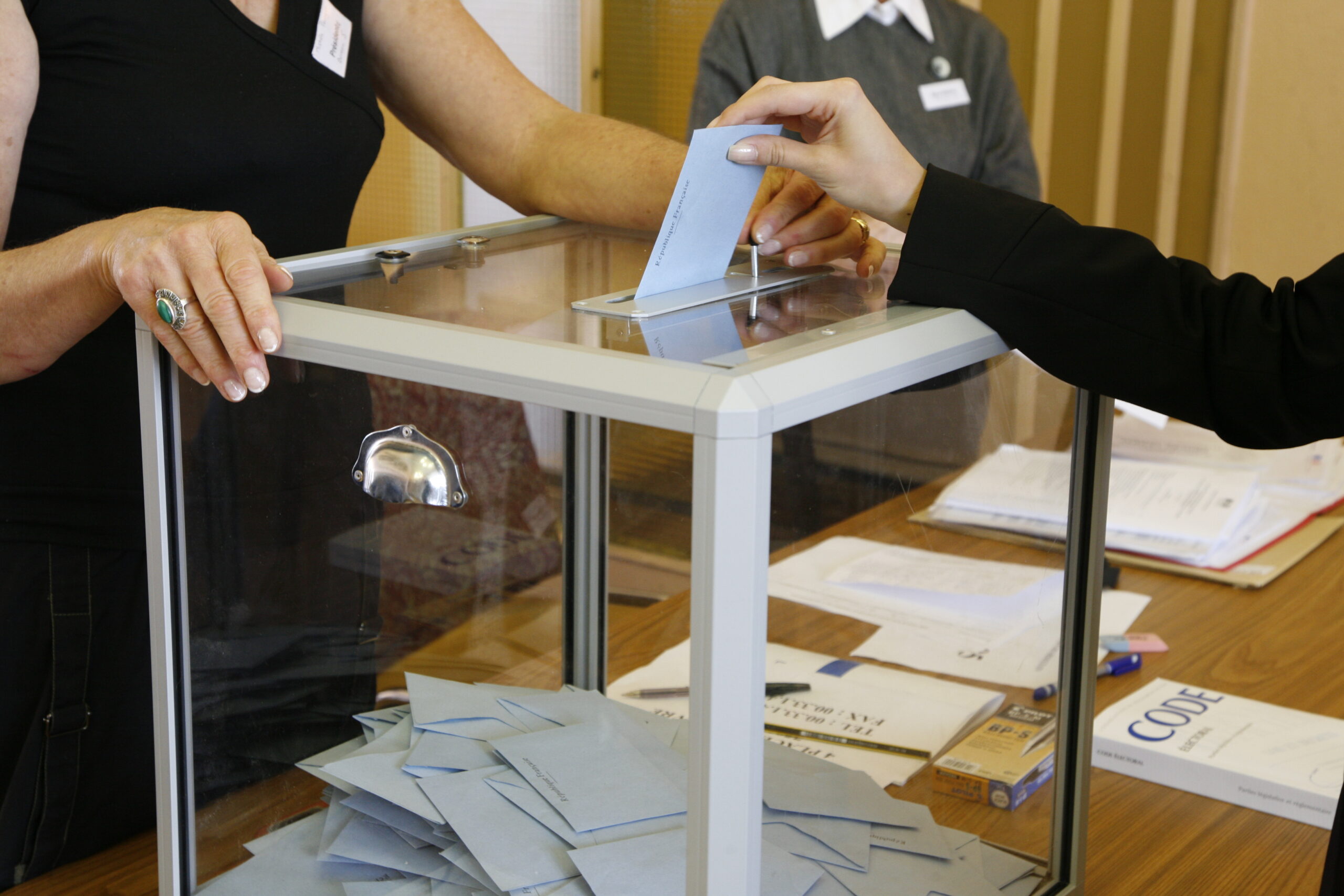
 Citizens of Equatorial Guinea are heading to the polls in a vote expected to hand the incumbent president, Teodoro Obiang Nguema Mbasogo, another seven-year term in office. Initially scheduled to be held in November, the vote was brought forward to April 24 following a presidential decree. Obiang, who has ruled the west African country for more than 36 years, faced six candidates in yesterday’s vote.
The main opposition parties have however boycotted a vote that the doyen of African leaders looks certain to win. In the last election in 2009, Obiang was returned to office with a sweeping 95.37 percent of votes.
He came to power in a coup in 1979 that overthrew his uncle Francisco Macias Nguema, who had ruled the country since independence from Spain in 1968. Equatorial Guinea has become sub-Saharan Africa’s third biggest oil producer in recent years, with revenues accounting for more than 70 percent of national income.
But the wealth has not filtered down – while per capita national income stands at over $10,000, more than half the population lives on less than two dollars a day.
The incumbent is running as head of a coalition of 10 parties that includes the ruling Democratic Party of Equatorial Guinea. His adversaries in yesterday’s vote are mainly newcomers and figures with very little political weight.
The Democratic Opposition Front (FOD) coalition of dissident groups called on March 23 for a boycott of the vote, saying it would be rigged. Andres Essono Ondo, whose Convergence for Social Democracy (CPDS) group is part of the FOD, said numerous “irregularities” surrounded the poll, which he said would ensure that “President Obiang wins with a big score as a result of fraud”.
The CPDS, the only opposition party represented in parliament, said it “will not recognise the president elected in the poll”. The opposition says it abhors the lack of an independent electoral commission as well as the government’s grip on the media.
Another FOD member, Guillermo Nguema Ela, has branded the election “anti-constitutional”. – Al Jazeera.


 Online Reporter