Online Reporter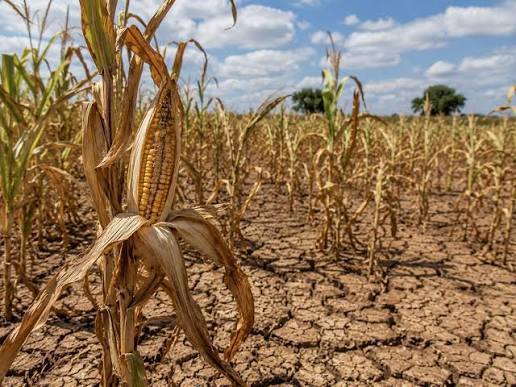
The Government’s early adoption of the 2026/2027 drought mitigation plan is a welcome demonstration of the importance of preparedness in managing recurring climate risks.
With the rains still some two months away, Cabinet has given farmers, grain traders and other stakeholders time to translate the plan into action rather than waiting for the consequences of a poor season to become apparent.
This is particularly important given the forecast of a super El Niño weather pattern, which is expected to bring below-normal rainfall and higher temperatures to the country and the rest of southern Africa.
We wrote yesterday that Cabinet has approved six interconnected interventions, covering the strategic grain reserve, climate-smart production, financing, livestock, imports and coordination, as well as early-warning systems and capacity building.
Of these, strengthening the Strategic Grain Reserve deserves particular attention. The Government expects national cereal production of 1,6 million tonnes in the coming season, leaving a potential deficit of between 266 881 tonnes and 541 881 tonnes. A target reserve of 600 000 tonnes therefore provides an important buffer against production shortfalls and protects vulnerable households from severe disruptions in food supplies.
Equally significant is the emphasis on climate-smart agriculture. Our agriculture cannot continue to depend predominantly on favourable rainfall when increasingly erratic weather patterns are becoming a permanent risk.
Minister of Agriculture, Mechanisation and Water Resources Development Anxious Masuka said the Government would focus on sustainable intensive conservation agriculture through Pfumvudza/Intwasa, targeting three million beneficiaries.
He said the Pfumvudza tenets, including properly sized planting basins and the use of mulch or manure, would be reinforced. Minister Masuka also highlighted soil degradation, noting that 60–70 percent of the soils in communal areas are largely degraded. The decision to provide liquid lime to all three million beneficiaries of the Presidential Input Scheme is therefore significant because restoring soil health is fundamental to improving productivity and making farmers more resilient to erratic rainfall.
The third area requiring urgent attention is more flexible food imports. The Government has wisely maintained room for private-sector imports to meet commercial food and feed requirements while allowing households to import basic commodities. The planned review of the household food-import threshold upwards should help ensure that shortages are addressed before they become acute.
Importantly, accelerated imports should complement, rather than undermine, domestic production and the strategic reserve. We need a balanced approach that protects consumers during a difficult season while maintaining incentives for local farmers and ensuring that imports do not become a substitute for rebuilding productive capacity.
The integrated financing mechanism is critical as well. Climate resilience requires timely access to seed, fertiliser, lime, equipment and working capital. Financing arrangements must therefore be available before farmers need inputs, not after planting windows have closed.
With the lessons of the 2024/2025 drought still fresh, we have an opportunity to turn preparedness into a permanent feature of agricultural policy rather than an emergency response.