Online Reporter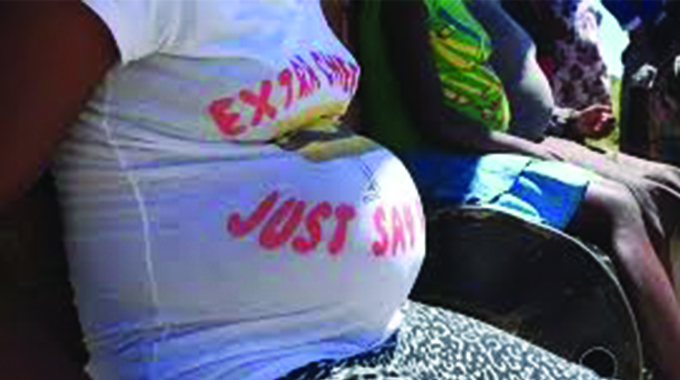
Sukulwenkosi Dube-Matutu, [email protected]
ADOLESCENT girls aged between 15 and 19 years have emerged as the group with the highest number of antenatal care (ANC) bookings in Bulilima District, accounting for 33 percent of all recorded cases, according to statistics released by the National Aids Council (NAC).
Between January and August this year, a total of 1 207 ANC bookings were recorded in the district. Of these, 400 involved adolescent girls, while 18 bookings were made for girls aged between 10 and 14. The 20-24 age group followed with 338 bookings, then 195 among women aged 25-29. Women aged 30-34 accounted for 119 bookings, while 105 were recorded for those aged 35-39. The 40-44 age group had the lowest number, with just 29 bookings.
Authorities say these figures reflect deep-rooted social challenges, including teenage pregnancies, early child marriages, and the heightened vulnerability of young people to HIV. Bulilima District Aids Co-ordinator, Ronald Hanyane, said several factors were pushing adolescents into early sexual activity, prompting the need for intensified community-based interventions to curb new HIV infections and unplanned pregnancies.

“The high HIV incidence rate, STI cases and adolescent pregnancies continue to be a concern. We are implementing programmes like the Sista2Sista model targeting girls aged 15 to 24. Mentors engage them on HIV prevention, treatment, testing, disclosure and abstinence to empower them before they are exposed to risk,” he said.
Hanyane also highlighted the importance of educating pregnant adolescents on how to prevent mother-to-child transmission of HIV, stressing that information dissemination remains a vital tool in reducing infections.
To tackle the twin challenges of teenage pregnancies and child marriages, the district has rolled out the Not in My Village campaign. This initiative seeks to mobilise communities to take an active role in protecting young people from harmful practices and environments.
Hanyane pointed to a range of socio-economic factors contributing to risky behaviour among adolescents.
“Poverty, child-headed households — often a result of parents working in the diaspora — and vibrant night activities at rural business centres are among the major contributors. There is also a large movement of job seekers and informal traders travelling to and from Botswana and South Africa. We also have learners living in rented houses near schools without supervision, which increases their vulnerability,” he said.
In neighbouring Mangwe District, similar concerns have been raised. NAC Programmes Assistant, Elenny Mpofu, noted that artisanal mining activities in Wards 5, 8, 15 and 17 have become hotspots for exploitation and abuse, particularly affecting young girls.
Traditional leaders have welcomed the interventions, describing them as timely and necessary. Masendu village head, Herman Nyathi, voiced the community’s growing concern over the increasing number of girls becoming mothers before they are emotionally or financially prepared.
“We are losing our young girls to early indulgence.
“Their futures are being destroyed, and this means we are losing future leaders. These children are also at risk of contracting HIV.
“We need these programmes to empower and protect them,” he said.