Tendai Gukutikwa
Health Reporter
HIGH-RISK groups face a race against time as health authorities issue an urgent call for early tuberculosis screening to intercept drug-resistant strains before they take root.
Chipinge District health promotions officer, Ms Exgratia Chidoko, said early screening is important for people living with HIV, miners, people working in overcrowded environments, and those living with TB patients.
She said this following a five-day facility-based screening campaign across Chipinge, following a similar exercise in September.
The exercise, which ends today (Friday), is being implemented by the Ministry of Health and Child Care in collaboration with Zimbabwe Health Interventions (ZHI).
Ms Chidoko said the purpose of the exercise is to identify people with TB early, including those who might not yet recognise that they have the disease, and link them to treatment.
The campaign began at Mt Selinda Mission Hospital on Monday and Tuesday, moved to St Peter’s Mission Hospital in Chisumbanje, and concludes at Chipinge District Hospital today.
She said the exercise is open to everyone, with people at increased risk of infection being among those urged to get screening.
“These groups include people living with HIV, people doing artisanal mining, those working in overcrowded places, and people who live with someone who was diagnosed with TB. Such conditions expose them to contracting TB, thus the need for screening. People should not wait until they are seriously ill to visit a health facility,” said Ms Chidoko, adding that screening is useful even when a person feels well.
“The message is that everyone should know their TB status. You do not have to be visibly sick before you get screened. Early detection is important because untreated TB could spread to others, while delayed diagnosis could make treatment more difficult, particularly where drug resistance is involved. We want people to be diagnosed and treated early, before their condition becomes severe or the TB becomes drug-resistant.
“When diagnosis is delayed and a person is found to have drug-resistant TB, they may need specialist care that is not readily available nearby.
“This can mean travelling long distances for treatment, increasing the costs they have to meet.
Screening helps us establish whether someone has TB. If a person is diagnosed, they can be started on treatment without delay. Early diagnosis and treatment can save lives and help reduce transmission within households and communities,” she said.
Ms Chidoko urged people experiencing possible TB symptoms to seek medical attention promptly, particularly if they have a persistent cough lasting more than a week, fever, or night sweats.
Other symptoms can include unexplained weight loss, loss of appetite, chest pains, and coughing up blood.
Ms Chidoko said the turnout was encouraging during both the September screening campaign and this week’s exercise, reflecting growing participation in efforts to promote early TB diagnosis and treatment.
She said the encouraging response shows the importance of continuing to raise awareness about TB screening and encouraging people to know their status, even when they felt healthy.
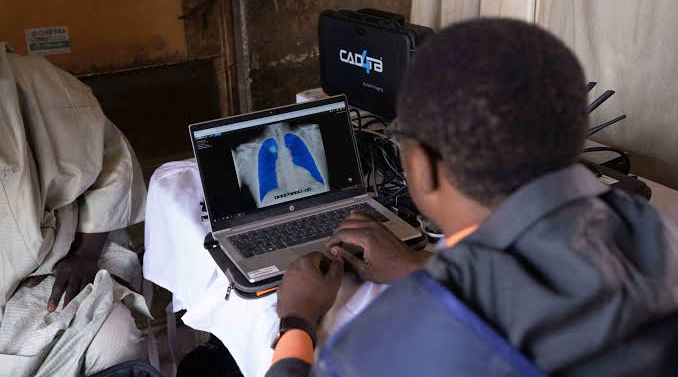
The campaign provided mobile X-ray services, laboratory tests, and doctors on site, allowing people who attended to access different services during the exercise.
Ms Chidoko said the services are offered free of charge, and people diagnosed with TB through the campaign are placed on treatment without paying for it.
She said the availability of medical personnel, including doctors, nurses, and radiographers, supported the screening process and helped to ensure that those who need further assessment can receive it.
She further urged residents to continue using health facilities for screening and assessment even after the campaign ends, rather than assuming that such services were only available during special outreach activities.
The campaign’s message was that TB screening is for everyone, regardless of whether they have symptoms, their occupation, or their HIV status.
Ms Chidoko encouraged community members to share the message with relatives, friends, and workmates, particularly those who may face a higher risk of infection or have difficulty recognising the symptoms.
“We are encouraging people to get screened, tested, and treated. Working together, we can help stop TB,” she said.
The Ministry of Health and Child Care and ZHI conducted the latest exercise as part of ongoing efforts to promote early detection and treatment, reduce transmission, and prevent people from reaching advanced stages of the disease before seeking help.
Early TB screening campaign targets high-risk groups