Online Reporter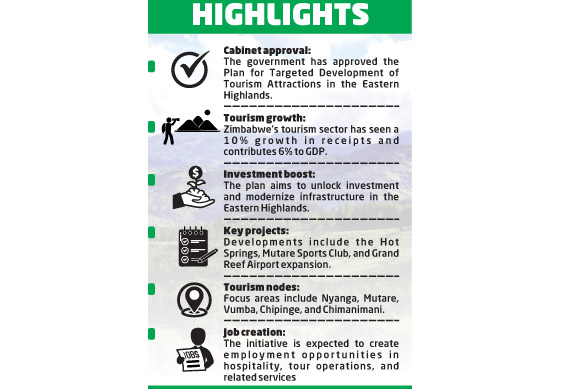
Liberty Dube
Correspondent
CABINET has approved an ambitious plan to accelerate tourism development in the Eastern Highlands, a move that will unlock investment, modernise infrastructure, and position Manicaland as a premier destination.
The Plan for the Targeted Development of Tourism Attractions in the Eastern Highlands, presented by Tourism and Hospitality Industry Minister, Honourable Barbara Rwodzi, forms part of the Second Republic’s broader economic transformation agenda.
The initiative comes as the tourism sector rebounds strongly, recording a 10 percent growth in receipts and contributing six percent to Zimbabwe’s Gross Domestic Product.
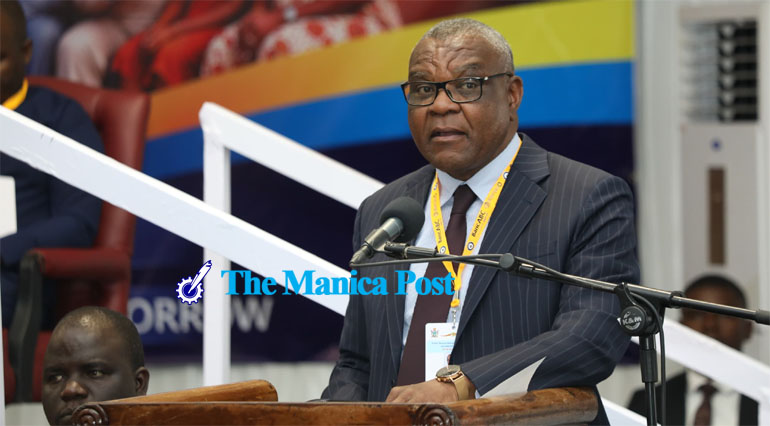
Announcing the decision during a post-Cabinet briefing on Tuesday, Information, Publicity and Broadcasting Services Minister, Dr Zhemu Soda said the plan is designed to fully harness the region’s vast tourism potential, driving growth and enhancing Zimbabwe’s competitiveness on the global stage.
“The plan seeks to develop targeted tourism attractions in the Eastern Highlands corridor, which the Second Republic has identified as a tourism-designated zone with significant potential for tourism development. These nodes provide a strong foundation for transformation, enabling the sector to leverage the zone’s internationally recognised strengths in eco-tourism, adventure tourism, agro-tourism, and culture and heritage tourism. Coordinated investment in iconic tourism products within the Eastern Highlands will enhance destination competitiveness, attract higher-value visitors and increase tourism earnings,” said Minister Soda, adding that the Government is implementing a cluster-based tourism strategy to diversify offerings and strengthen competitiveness across provinces.
The clusters include Meetings, Incentives, Conferences and Exhibitions (MICE) tourism, sports tourism, culture and heritage tourism, as well as agro-tourism.
He said the approach aligns with the country’s devolution and decentralisation policy, ensuring that provinces maximise the use of their unique tourism and heritage resources.
The approval comes at a time when Zimbabwe’s tourism sector is on a recovery path, with Government reporting a 10 percent increase in tourism receipts and a six percent contribution to Gross Domestic Product.
Key projects include developments at the Hot Springs Resort in Nyanyadzi, Mutare Sports Club and the expansion and rehabilitation of Grand Reef Airport.
The plan will focus on high-potential tourism nodes including Nyanga, Mutare, Vumba, Chipinge and Chimanimani – making it both economically and strategically significant for Manicaland and Zimbabwe as a whole.
It reflects a shift from fragmented tourism development to a more integrated, corridor-based approach that aligns infrastructure, investment, and destination branding.
Tourism experts and key players in Manicaland hailed the Government-led initiative as a game-changer that will boost investment, increase visitor numbers, and strengthen Manicaland’s position as a premier tourism destination.
Hospitality Association of Zimbabwe Manicaland Chapter chairperson, Engineer Kuda Mugwagwa said the initiative is expected to catalyse several key outcomes.
“As someone deeply embedded in the tourism sector, I can confidently say this initiative aligns perfectly with both our National Development Strategy (NDS2) and Vision 2030 objectives of transforming Zimbabwe into an upper-middle-income economy. The Eastern Highlands corridor has long been recognised as one of Zimbabwe’s most underutilised tourism assets. This formal designation as a tourism zone provides the policy framework and strategic focus we have been advocating for. The timing is particularly apt given that the tourism sector’s 10 percent growth in receipts and six percent GDP contribution demonstrates the sector’s resilience and potential as an economic driver. Tourism is labour-intensive, and this development will create direct employment in hospitality, tour operations, and ancillary services, while generating indirect opportunities in agriculture, transport, and creative industries. This is particularly significant for youth employment, which is a priority under NDS2. The corridor approach ensures integrated development of roads, utilities, and digital connectivity addressing long-standing challenges that have hindered tourism growth in our region. As the Hospitality Association of Zimbabwe Eastern Region, we are not merely spectators in this transformation. We are actively working on exciting partnerships that will complement Government efforts. The competitiveness of our region as a premier tourism destination will be enhanced through product diversification. Beyond our traditional strengths in scenic beauty and climate, we are developing adventure tourism, MICE (Meetings, Incentives, Conferences, and Exhibitions) facilities, wellness tourism, and heritage tourism products. This positions us to capture different market segments and extend visitor stay duration,” said Engineer Mugwagwa.
Tourism and hospitality development specialist, Mr Adonis Mutigwe said:
“Cabinet’s approval of the Eastern Highlands tourism development plan is a strategically timed intervention that recognises Manicaland as Zimbabwe’s most underleveraged high-value tourism corridor. By formally designating the region as a tourism zone, Government is essentially creating an investment signal that reduces uncertainty and encourages both domestic and international capital inflows. From an investment perspective, the structured development of key nodes such as Nyanga, Vumba, Chimanimani and Chipinge will likely stimulate public-private partnerships in accommodation, adventure tourism infrastructure, and transport networks.
“This is particularly important given the global demand for eco-tourism and experiential travel, which the Eastern Highlands naturally offers in abundance. In terms of visitor numbers, improved accessibility, branding, and product diversification—such as adventure activities at Mutarazi Falls and cultural-ecological tourism in Chirinda Forest—will significantly enhance the region’s appeal. Ultimately, this initiative positions Manicaland, not just as a domestic getaway, but as a competitive regional destination capable of attracting high-spending international tourists.”
Hotelier and tourism and hospitality lecturer, Mr Willard Madhombiro said: “This initiative is highly significant for Manicaland because it aligns infrastructure development with tourism growth, which has historically been a missing link. The 10 percent growth in tourism receipts indicates strong momentum, but without targeted spatial planning, that growth risks stagnation. This plan creates a corridor-based development model, which is globally recognised for improving tourism competitiveness. By linking attractions in the Eastern Highlands, the Government is effectively creating a seamless tourism circuit. This increases the average length of stay and tourist spend per visit, which are critical metrics in the hospitality sector. On investment, we can expect increased interest in boutique hotels, eco-lodges, and adventure tourism enterprises. The emphasis on modernising infrastructure, which include, roads, digital connectivity, and utilities, will lower operational costs for investors. In turn, this enhances Zimbabwe’s competitiveness against regional peers such as South Africa and Rwanda, which have successfully leveraged similar destination-focused strategies.”
Tourism and Hospitality marketing, labour and business commentator, Mr Tichafara Vhiriri said the Eastern Highlands already possesses globally competitive assets such as mountains, waterfalls, forests and biodiversity, but they have not been fully packaged into a coherent destination identity.
“By consolidating these attractions into a designated tourism zone, Government is enabling more effective destination marketing under a unified brand. This is crucial for international visibility, especially in an era where digital storytelling and destination branding influence travel decisions. Visitor growth will likely be driven by niche markets such as adventure tourism, wellness retreats, and nature-based travel. Experiences like the Mutarazi Skywalk, the misty landscapes of Vumba, and the biodiversity of Chirinda Forest can be marketed to specific high-value segments. Over time, this will, not only increase arrivals, but also improve Zimbabwe’s positioning as a premium, sustainable tourism destination,” he said.
Ends