Health officials across Africa are racing to determine how Nigeria’s first Ebola patient in more than a decade became infected, amid fears the outbreak could spread further after reaching a fourth African country.
The Swiss foreign ministry said on Friday the patient in Nigeria, the Ugandan-born wife of a Swiss diplomat based in Abuja, had not travelled to the Democratic Republic of Congo (DRC), where the outbreak was first detected in mid-May before spreading to Uganda, Kenya and now Nigeria.
The woman was believed to have contracted Ebola while travelling with her husband in Uganda, the ministry added.
The new information contradicts accounts from Uganda, which previously said the woman had travelled to the eastern DRC, and will raise concerns about the ability of the authorities to contain the outbreak, which is already the most geographically widespread in history.
The Ugandan government reported Ebola cases in May and June before the World Health Organisation (WHO) declared it Ebola-free in August. A Ugandan government spokesperson told Reuters on Thursday that Uganda had no Ebola cases and that, if it did, it would make that information public.
WHO said investigations were continuing to establish the likely source of infection for the Ebola patient in Nigeria.
The Africa Centres for Disease Control and Prevention is investigating whether the patient may have come into contact with an Ebola patient in Kenya, as both travelled from Uganda’s Entebbe airport on October 3, said Dr Wessam Mankoula, head of emergency preparedness and response at the organisation.
Catherine Smallwood, a WHO Ebola incident manager in the DRC, told a United Nations briefing in Geneva via video link on Friday that WHO staff in the DRC had no information showing the patient in Nigeria had travelled to the country.
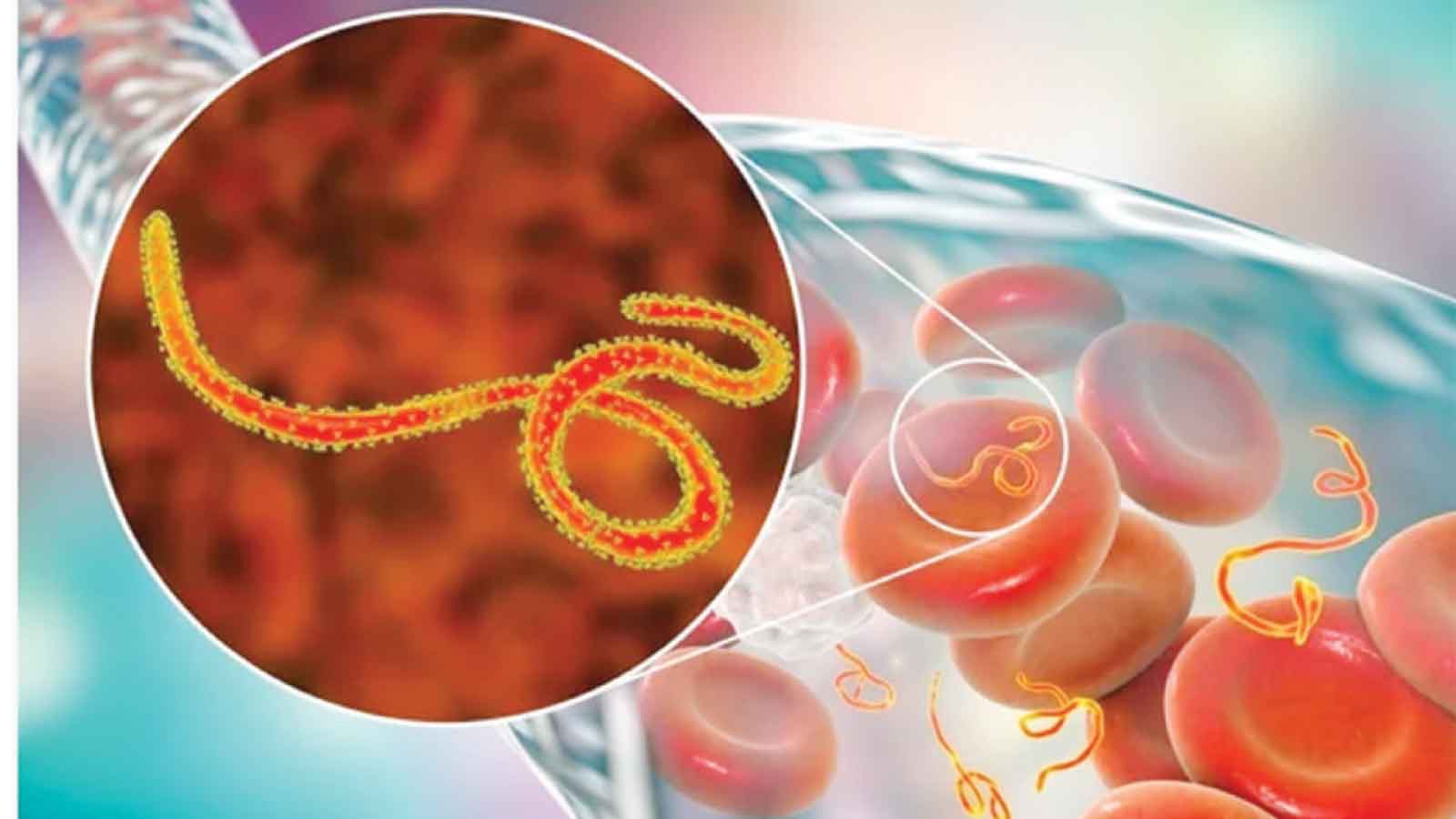
Ebola is a highly contagious and often fatal viral disease that affects humans and non-human primates. It spreads through body fluids or contaminated materials and causes organ damage, blood vessel impairment and sometimes severe internal and external bleeding.
The current outbreak is caused by the rare Bundibugyo virus, which has no approved treatment or vaccine.— Reuters and the Associated Press