admin
admin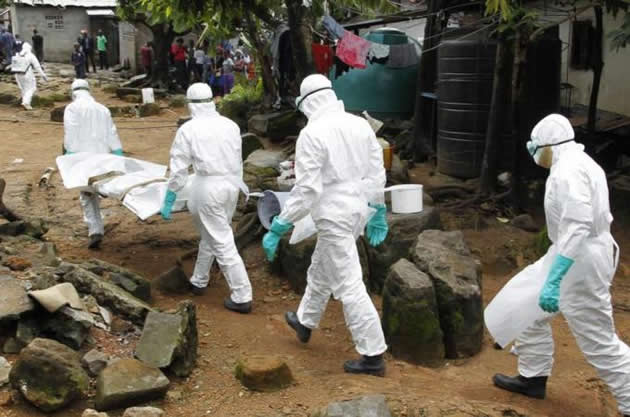
Kamangeni Phiri Midlands Bureau Chief
A SUSPECTED case of Ebola in Kwekwe involving a woman who had visited Nigeria in July caused a stir in the Midlands Province last week when health personnel including an ambulance crew refused to attend the case for fear of contracting the deadly disease, the Provincial Medical Director, Dr Milton Chemhuru, has said.
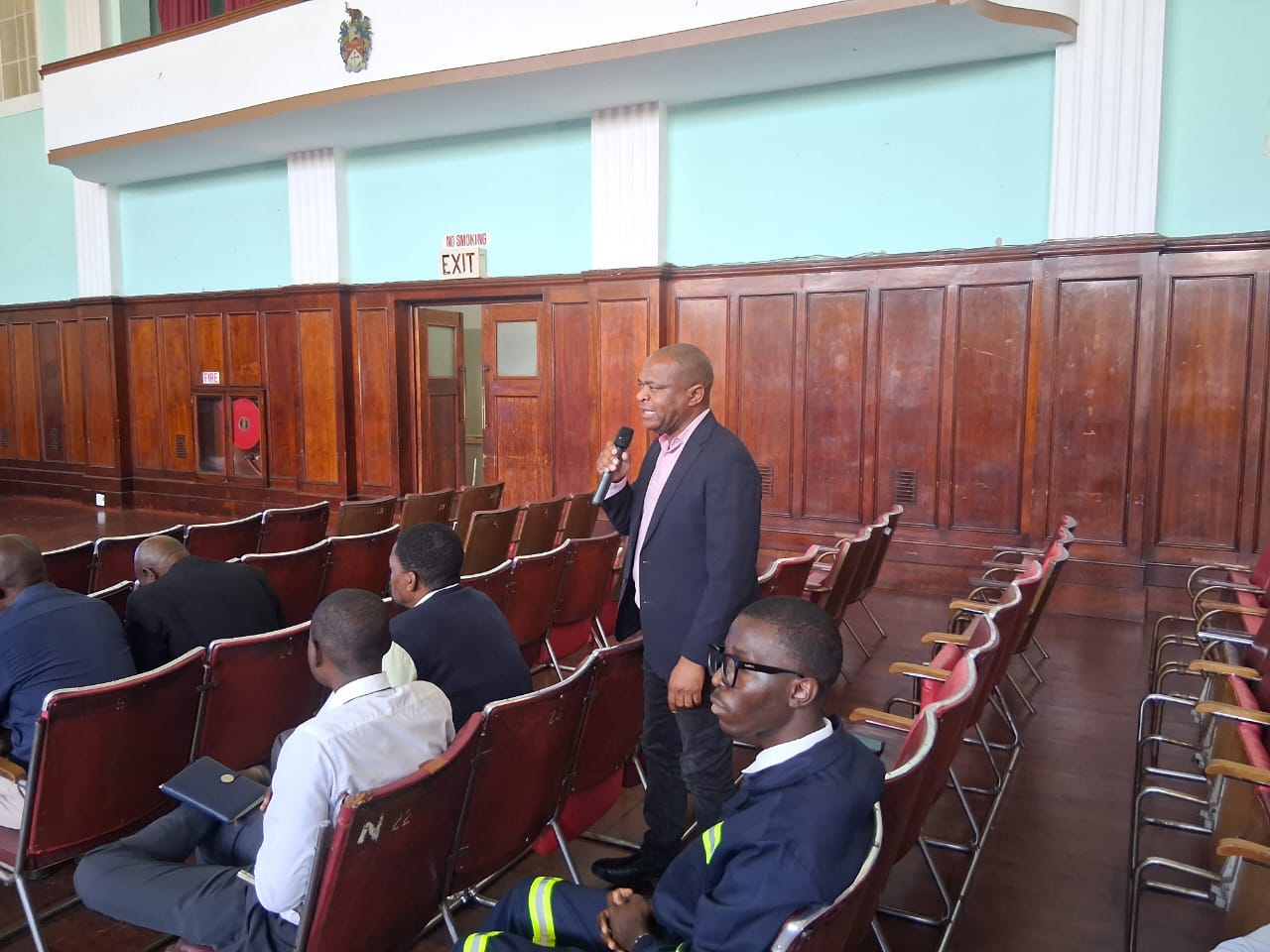
Dr Chemhuru, who was speaking at an HIV Sensitisation meeting for Provincial Heads in Government Ministries in Gweru yesterday, said the woman, who is pregnant, had made claims to her husband that she was vomiting blood, had a headache and a fever. But the scare turned to be an attention seeking stunt by the woman as it was later confirmed that she was free of the disease.
Dr Chemhuru said the country needed to be aggressive in dealing with the deadly disease as by 15 October, 8,997 cases had been recorded while 4,493 people died due to the deadly Ebola scourge.
He said the isolated Kwekwe incident — although it turned out to be an attention seeking gimmick by the woman – had exposed the Midlands as having no capacity to deal with the Ebola scare owing to resource challenges and misconceptions among health workers.
Said Dr Chemhuru:
“We don’t have the capacity to deal with the Ebola scare as Midlands. Let me just talk about why I’m saying we don’t have the capacity. Just last week on Thursday, there was a small incident in which somebody visited the famous TB Joshua in Nigeria at the beginning of July and came back to Zimbabwe on 19 July. It’s a lady, she is 24 years old, nine weeks pregnant, and is married. So last Thursday she told the husband that she was vomiting blood, had a headache and fever. So the husband called EMRAS and they came. When EMRAS came, the first thing they asked was: “Have you been to Nigeria, Sierra Leone or Equatorial Guinea?” the woman said ‘yes’ and the ambulance crew said ‘aah’ and ran away.”
Dr Chemhuru said around 10PM, he received a call from Kwekwe District Hospital superintendent, Dr Patricia Mapanda, who said they had a problem in their district.
She said they had a suspected case of Ebola and all members of her team were unwilling to attend to it.
“The first thing you ask when you hear about Ebola is whether anyone has been in contact with the patient or person suspected to have Ebola or from an epidemic area. Dr Mapanda said there is a woman who had been to Nigeria recently. She said she intended to call an ambulance from Harare to come and pick the patient. I said ‘no, not yet . . . have you verified that indeed you have an Ebola case’. She said none of her guys were willing to go there. I told her ‘can we verify whether the woman was indeed in Nigeria by taking a look at her passport’. Her junior said: ‘Doc I don’t have protective clothing’. I told the guy ‘you’re just going to look at the passport without touching the patient’. It was like drama as we debated the whole night,” said Dr Chemhuru.
He said a junior doctor argued that he understood they were not supposed to be within a distance of 21 metres from the patient.
Dr Chemhuru said the situation was only saved by Kwekwe City Council Director of Health, Dr Phylis Gochera, who volunterred to attend to the case.
“When she got there, Dr Gochera found the husband sleeping in a separate room. She checked the woman’s passport and found that the woman now had over 82 days since she left Nigeria. Obviously she did not have the disease as you know after 21 days of your coming from an epidemic area and you’re still well, then it means you haven’t contracted the disease. It turned out that the young wife just wanted to get attention from the husband.
“For us to control the disease, we need to be aggressive and vigilant. We’ve to take drastic measures when dealing with diseases like Ebola, there’re no negotiations because people die. The most important thing to remember is that this is a disease caused through contact with the affected person, the person’s excretions or sweat, among other body discharges,” he said.
Dr Chemhuru said the Midlands had so far distributed 52 suits to all its eight districts and there was also an ambulance especially meant to attend to Ebola cases.
He said the country’s challenge remained the mobility of Zimbabweans who are always travelling to regional countries and beyond.
“We’re monitoring cases of new arrivals as Ministry of Health. If we learn of suspected cases, the person should not move until further notice. I’m proposing that we build a detention centre in a place like Harare where we can detain people for 21 days before they can be allowed back to the community. If we allow people to do as they please, we’ll all perish because this disease is deadly,” said Dr Chemhuru.
The Ebola outbreak started in Guinea in West Africa and has now spread to three other West African countries namely; Liberia, Sierra Leone, Nigeria and Senegal as well as an unrelated outbreak in the DRC.
Said Dr Chemhuru:
“The USA and Spain are also affected, 416 health workers have contracted the disease and died. There’s no known vaccine yet. It’s difficult to carry out research on Ebola because if you get into contact with an infected person, you also get the disease. So at the moment, the USA is just trying various medicines on patients but there’s no support from research so far.”
The World Health Organisation has since declared the outbreak an International Public Health Emergency.


 Online Reporter