


 Online Reporter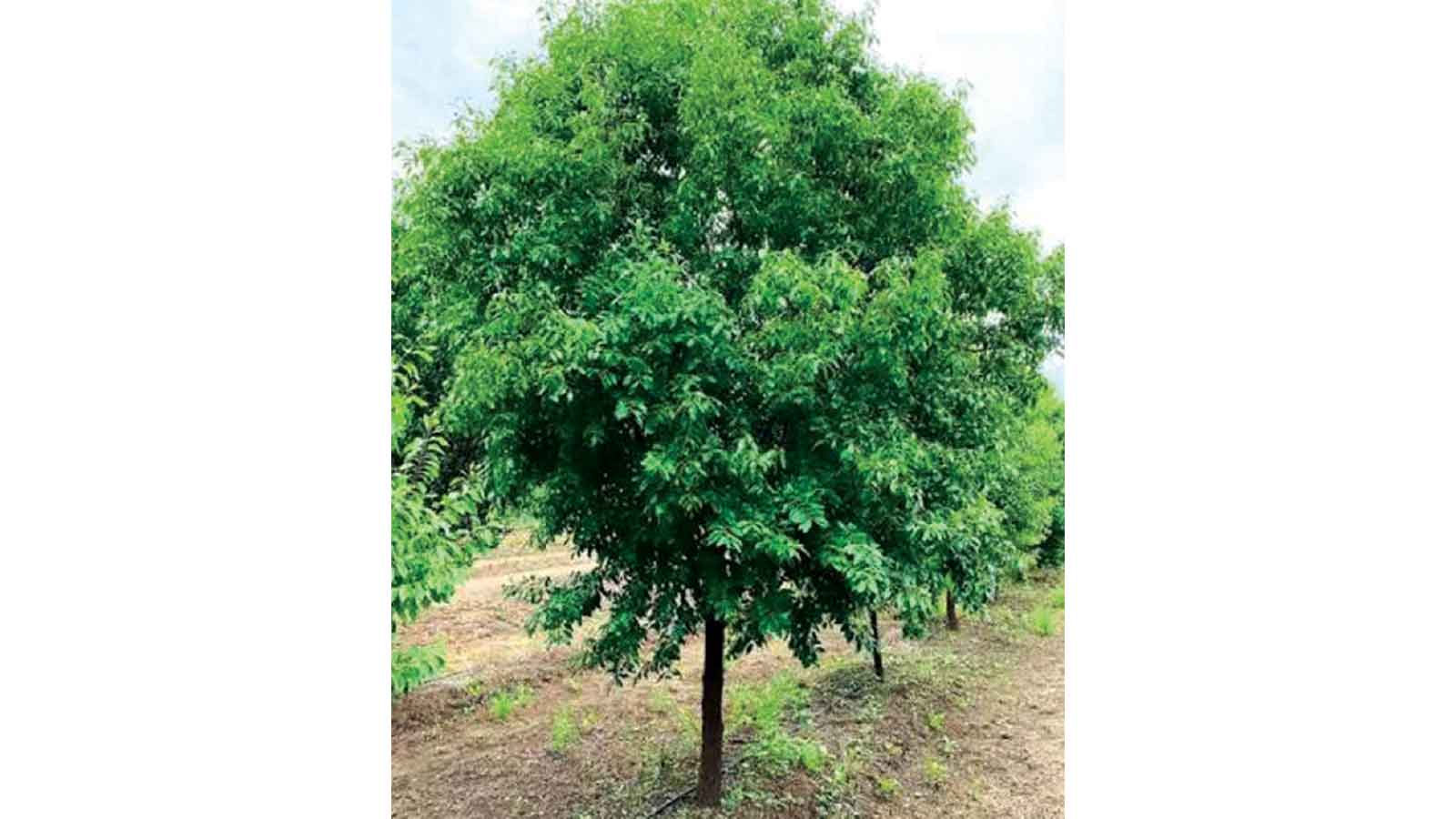
Andrew Mangwarara
NOTHING beats an indigenous tree in an African garden.
The result is an eco-friendly space that attracts insects and small mammals.
One often overlooked tree is the bird plum, known as munyii in Shona or umnyi in Ndebele.
It thrives in riverine habitats, dry woodlands and sometimes on termite mounds.
The bird plum is a medium to large tree, growing up to 20 metres in height, so it needs ample space.
Its bark is dark grey and roughly fissured.
It flowers in summer (October to January) and its fruit appears from January to July.
The fruit is an ovoid, fleshy drupe with a sweet taste, enjoyed by many game animals.
Medicinally, the leaves and bark are used to treat various ailments, including wounds and infertility issues.
How to grow it:
- Use fresh seed, sown in a mixture of river sand and compost
- Soak the seed overnight before planting for better results
- Germination takes 30 to 50 days, with a success rate of about 40 percent
- The bird plum grows relatively fast and prefers well-drained fertile soils, often found on termite mounds
Once established, it is drought resistant, needing watering only when young.
It prefers full sun but can tolerate partial shade.
However, it should be grown in frost-free areas, as it is sensitive to cold.
The tree can be pruned or trained as desired.
Its leaves serve as good fodder for livestock and bonsai enthusiasts can train it with skill.
In short, always consider adding indigenous flora to your garden. The bird plum is a resilient, useful and beautiful tree worth planting.
If you would like to be featured in our green-up campaign, contact us on: [email protected] or [email protected]



