Chronicle Editor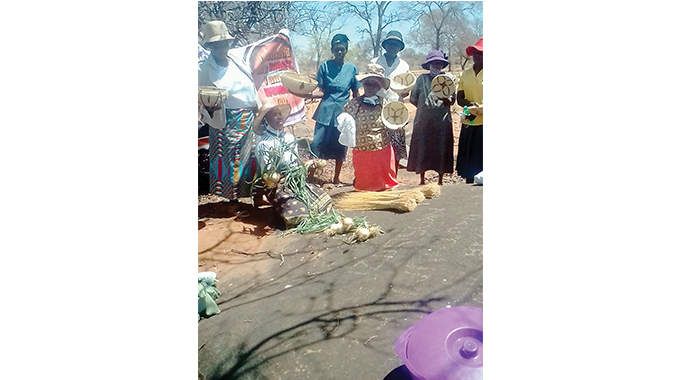
Sukulwenkosi Dube-Matutu, Gwanda Correspondent
ESTABLISHED in 2008, the Women Development Association in Zimbabwe (Wodaz), an organisation based in Sitezi area Ward 2 in Gwanda has helped empower many women economically.
The organisation which is the brainchild of women from the area has created a platform for fellow women to embark on several projects which have become a reliable source of income for many. The projects include gardening, goat rearing, poultry, baking, soap making, Petroleum Jelly and dishwashing liquid production, tie and dying and craft.
Wodaz started off with about 100 women from Ward 8 but the membership has now grown to about 1 000 members from five wards in Gwanda.
The Director of Wodaz, Ms Juliet Nkiwane said when the organisation was established in 2008 its focus was to empower women politically and socially but the members later realised the need for women to be empowered economically.
“In 2008 we came together as women from Sitezi Village in Ward 8 and realised the need to form an organisation that could empower us as women and help us to nurture one another. We sold the idea to women from the other four villages in our ward and they loved it. At first our focus was to ensure that women were empowered politically. We were encouraging women to take up various roles of leadership within the community,” she said.
“We later realised that while women were being empowered politically there was also a need for them to be empowered economically. That is when we decided as women that we had to venture into various livelihood projects that could assist women with a source of income.”
Ms Nkiwane said in 2012 they launched a goat rearing project as an organisation. She said they saw an advert from the United States Embassy calling for applications for funding of small projects. She said they sent their application which was approved and they received funds to buy goats to start the project.
Ms Nkiwane said at the time only 60 women who were in six groups of 10 members each benefited from the project due to the limited number of goats they received. She said as time progressed and the goats were producing offspring the women were passing them over to other women who had not benefited from the onset and more women started benefiting from the project.
Ms Nkiwane said when the goat rearing project was now in full swing and self sustainable they decided to introduce more projects.
“We realised that women were really benefiting from the goat rearing project and we decided to identify more projects that we could explore. By then our number had started growing as women from other wards had started joining us and we wanted to ensure everyone benefited and to exploit various talents.
“We didn’t have funding so we decided that we had to make contributions in order to mobilise funds. We also encouraged women to form various groups and identify projects they wanted to venture into. We introduced an affiliation fee and each time a group of women wanted to venture into a project we would give them as certain amount for their capital,” she said.
“With time we had women venturing into various projects such as gardening, poultry, baking, tie and dye, soap making, Vaseline making, dishwashing liquid production and craft. As the committee of the organisation our role was to outsource personnel to come and train women and equip them skills on how to run their projects.”
Ms Nkiwane said they registered their organisation in 2009 and in 2015 it became a trust. She said all committee members were working on a voluntary basis. She said the organisation had helped to empower women economically, socially and politically.
Ms Nkiwane said the organisation continues to grow as more women were coming in to join from various wards. She said their desire was to expand their reach throughout the entire province.
The woman said while their main focus was empowering women they also ventured into projects to give back to the community such as mobilising resources for the needy. She said during the prevailing Covid-19 period they also conducted awareness campaigns around their community on the pandemic and how it could be prevented.
Ms Nkiwane said they were working on incorporating more youths into their projects so that skills they had obtained could be passed onto generations to come.
Ms Sazini Dube from Ward 6 in Gwanda said she joined the organisation in 2010 and she had benefited greatly from it. She said she had received training and she was in a group involved in craft, poultry and goat keeping projects. She said the money she got from selling her products helped her to fend for her family.
Ms Dube said the organisation also assisted them with platforms to sell their products.
“In our ward we have a number of projects which women have embarked on and on my part I’m involved in craft, poultry and goat keeping projects. We usually attend market fairs and fun fairs either locally or in Bulawayo where we display our products and sell them. In September we commemorated the International Rural Women’s Day locally and we had an opportunity to sell our products to locals.
“Whenever we identify a business opportunity we exploit it to the fullest. During the prevailing Covid-19 pandemic we realised that there was a need for detergents which people could use to wash their hands and then some members received training on producing dishwashing liquid and they have ventured into the project which had proven to be a reliable source of income,” she said.
Ms Dube said some projects were however affected by the Covid-19 pandemic as women could not access some inputs and resources from South Africa as borders were closed and women also struggled to find markets for their products due to restricted movement and transport challenges.-@DubeMatutu


 Blessing Chizhande