admin
admin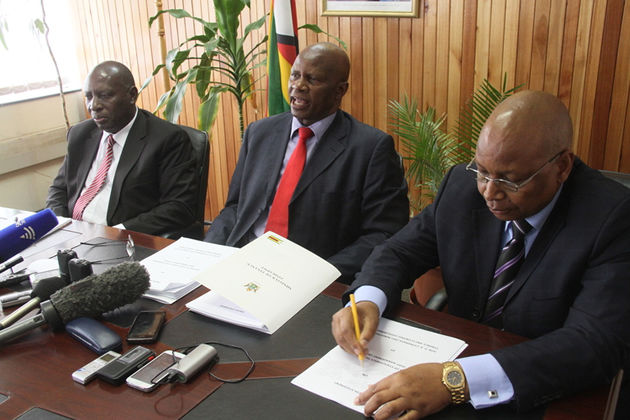
Golden Sibanda Senior Business Reporter
GOVERNMENT has put in place an array of economic policies and has undertaken widespread reforms that should see the economy take off at unprecedented pace once the initiatives have taken root, a Cabinet minister said.
Finance Minister Patrick Chinamasa said the economy will spring to life once the policies that Government has adopted are fully established, and this, he said, gives him the energy to persevere against current problems.
Zimbabwe’s economy is projected to grower slower this year, at 1,2 percent from the lukewarm 1,5 percent registered last year, as a myriad of challenges, chief among them tight liquidity, continue to choke the economy.
The commodity price slump, following slowdown in global giant China’s economy, has not helped any matters considering that the bulk of Zimbabwe’s minerals are exported in unprocessed form.
Due to the ailing economy, industries are producing at an average 34 percent, cost of finance is high, industrial equipment is antiquated and inefficient, cost of power and utilities is prohibitive and infrastructure is in poor state. Combined, this has pushed cost of doing business through the roof.
But Government is not resting on its laurels; it has been working on a cocktail of measures and policies to address bottlenecks to doing business, including reforms to laws and policies with a bearing on the economy.
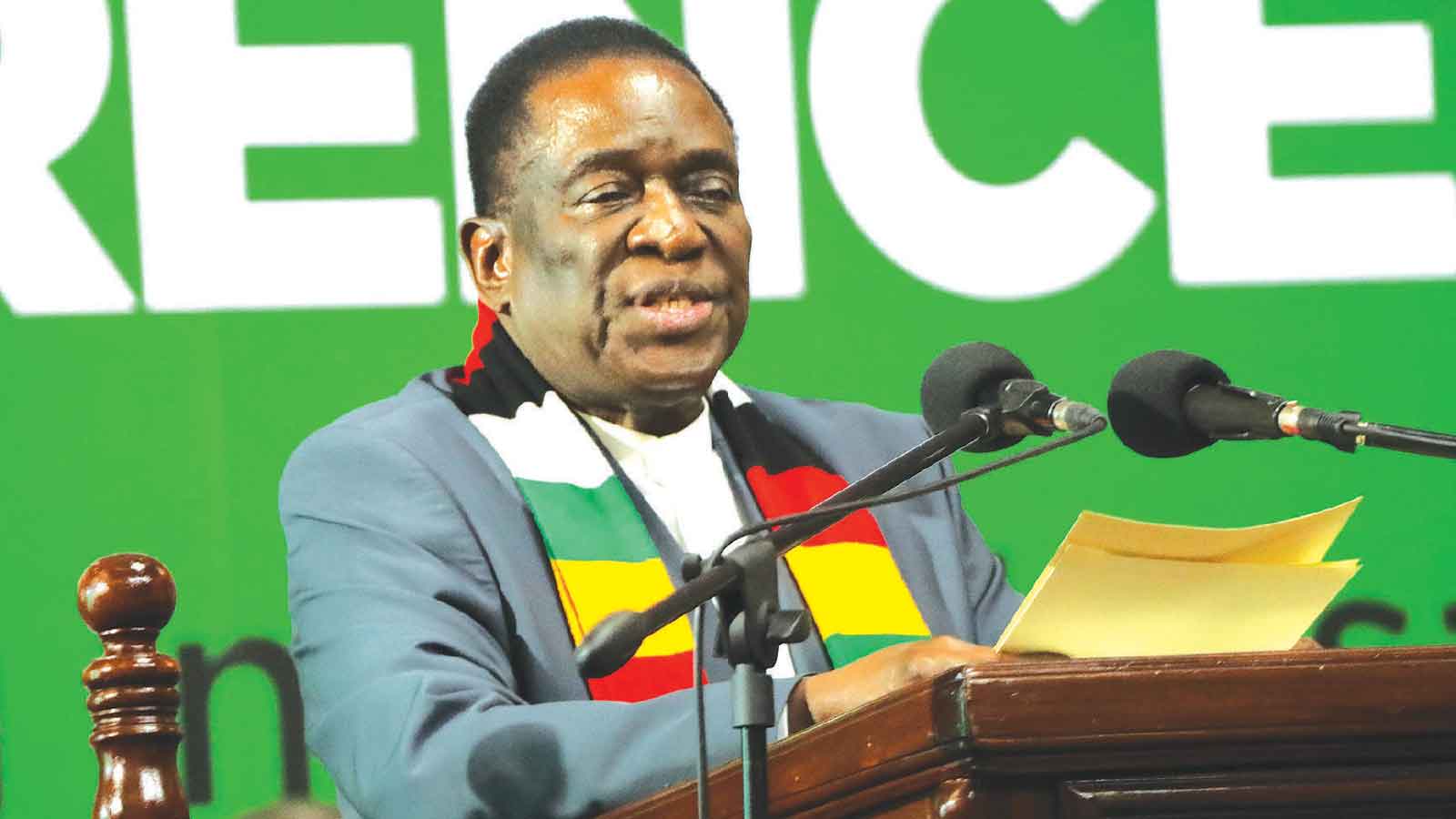
“People ask me why I am always smiling when we have so many challenges. I smile because I am aware of the foundation we are building; I am aware that the foundation is going to take root; I am aware that when fully established, the economy will take off big time,” he said.
Minister Chinamasa made the remarks at a reception for African Export and Import Bank president, Dr Benedict Okey Oramah, who visited the country this week, the first time since his appointment late last year, and met senior Government officials including the finance minister and President Mugabe to apprise them on his vision for the bank.
Minister Chinamasa thanked Dr Oramah and Afreximbank for standing by Zimbabwe during its most difficult economic experience, saying the bank’s establishment came at the opportune time for Southern African country.
Dr Oramah said the pan African bank, set up to support and promote intra and extra African trade, had to date extended over $4 billion through various financing packages and would keep doing so going forward. Currently, the bank has more than 20 funding facilities already running.
Dr Oramah pledged to work with Government in making sure that “we put in place something that ensures that the physical liquidity exists so that confidence returns to this country.”
The Afreximbank said policies Government has put in place can only thrive if Zimbabwe resolved the cancerous negative effect of the liquidity crunch, largely due to use of foreign currencies after scraping its unit in 2009, ravaged by inflation during the decade of economic instability.
Minister Chinamasa said among the economic policies Government has adopted are refining the indigenisation law, adoption of the Open Skies Policy, relaxing the visa regime and setting up of Special Economic Zones.
Government has also awarded contracts to Sino Hydro to expand Kariba South hydro power Station and Hwange Thermal Power Station, is repowering the country’s three thermals, undertaking three solar projects and licenced a number of independent power producers to build plants to close the gap between demand of 2 200MW and output of 1 050MW.
The diamond mining sector has also been consolidated as part of concerted effort to bring about transparency in the exploitation of the precious metal with proceeds now set to accrue directly to national Treasury.
Minister Chinamasa said Government is also working with banks to address their concerns regarding the bankability of the 99-year leases to fund agriculture. He said Government has also provided resources for marking of boundaries in resettlement areas to do away with disputes.
Further, Government is working tirelessly in a bid to improve ease and cost of doing business. Cabinet is spearheading the initiative. “All those policies are already in place; what remains is just to implement,” the minister said.



 Online Reporter