admin
admin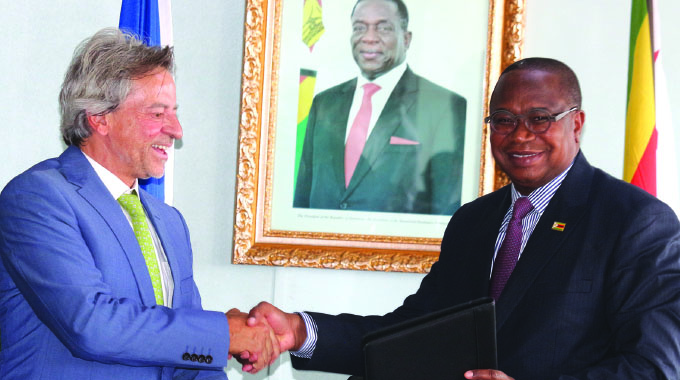
Farirai Machivenyika
Senior Reporter
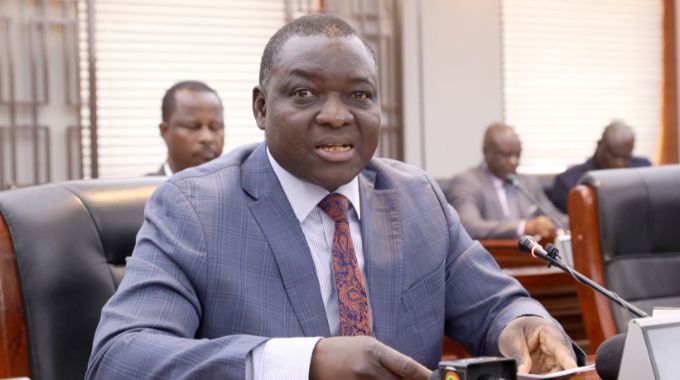
THE country has experienced tremendous economic growth in the past three years despite the currency volatility it has experienced in the same period, Finance, Economic Development and Investment Promotion Minister, Professor Mthuli Ncube, has said.
Prof Ncube said this in Harare yesterday while addressing the media during a signing ceremony of financing agreements worth €75 million with the European Union.
“I don’t think it’s surprising that with all the currency volatility we have experienced in the last five years, the Zimbabwean economy has grown at an average rate of 6,8 percent in the last three years.
“How did this happen if currency was such a big deal? But actually, it shows and proves to you that having a weaker domestic currency has actually produced more advantages than disadvantages. And it shows economic growth.
“The reason why we have slower growth this year is not because of the currency, it’s actually because of climate change. This year we are expecting a two percent rate of growth.
“Into next year, we’re expecting 6 percent rate of growth, which is one of the highest growth rates in the Southern African region. So, be more positive about the ZiG, be more positive about our domestic currency,” he said.
The RBZ recently devalued the ZiG currency that was introduced early this year from US$1:13, 99 ZiG to around 24,5 ZiG to US$1.
The Minister acknowledged that a weaker currency had its own advantages and disadvantages but stressed that it was important to limit the disadvantages.
Prof Ncube said some of the advantages include increased export competitiveness as products become cheaper on the international markets.
“There are also disadvantages, being that we have a sudden increase in prices in response to that depreciation, especially when in the background is the US dollar indexing in terms of prices. So, that can be a disadvantage.
“It can also erode wages. But of course, it does mean then we have to respond as policymakers in terms of the erosion of wages by also increasing wages. And that’s what we have been working on, trying to support the civil servants,” he said.
Prof Ncube reiterated that the country will not dollarise as it will not have control over its monetary policy.


 Online Reporter