happiness Chikwanha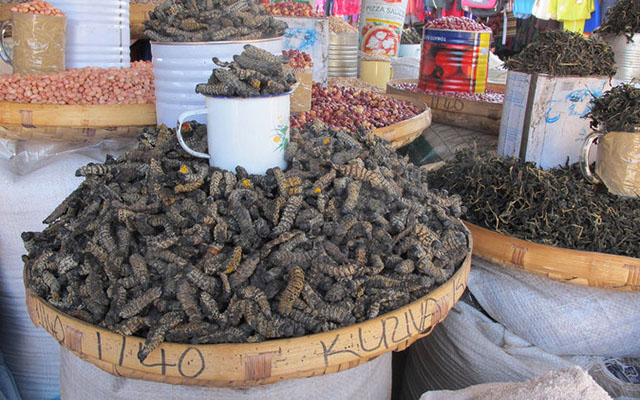
Fildah Gwati
DRIVEN by the current craze for people to eat healthily, many farmers are moving to adopt edible insect farming and domestication of mopane worms, as they seek to tap into their high nutritional value qualities to maximise production for high returns.
Edible insects are rich in nutrients such as mineral salts, zinc, iron and protein and the consumption of these insects is particularly high for species that are native to Zimbabwe, which are ishwa, madora, makurwe.
In an interview, Marondera University of Agricultural Sciences and Technology (MUAST) executive director for innovation and industrialisation Dr Lesley Machakwa said: “Accessibility to edible insects varies across geographical regions but is steadily increasing. While insect farming is a relatively new concept in Zimbabwe, it is popular in Europe. Currently, insect farmers are primarily focusing on rearing worms and house crickets, which are known as “humbwe” and are mainly reared in Kenya and East Africa.”
He added that local farmers had taken inspiration from East African practices to start rearing crickets for human consumption. The focus on farming crickets is for human consumption and black soldier flies for poultry feed.
To aid in cricket farming, they have adopted technology from East Africa where the practice is fully established. The idea is to familiarise and encourage people to consume edible insects, something that may take time due to cultural differences and unfamiliarity with these insects.
He explained that crickets and black soldier flies are also gaining attention in insect farming industry but crickets are relatively a bit difficult to rear.
Crickets have a high protein content, making them suitable for human consumption while black soldier flies are primarily cultivated as a source of feed for poultry.
He also said due to overharvesting of mopane worms, there are concerns about the sustainability of harvesting wild mopane worms and as a result, efforts to semi-domesticate them are underway.
“MUAST in collaboration with the University of Zimbabwe, Chinhoyi University of Technology, Abertay University (Scotland) and the University of Sheffield (England) have since embarked on the project Insects4Nutrition to semi-domesticate mopane worms and have constructed mopane worm rearing facilities with two in Gwanda and one in Marange in Manicaland to maximise mopane worm production.
“The construction of enclosed structures, resembling greenhouses provides an ideal environment for the rearing of mopane worms. These structures, equipped with shade nets to control sunlight penetration and allow rainfall, promote the entire life cycle of the worms. By enclosing the worms, it becomes possible to ensure their reproduction, thereby safeguarding their population and preventing overharvesting,” he explained.
The market for edible insects remains relatively low and consumption of these insects is predominantly regional and consumer perception and accessibility still pose challenges.
“Consumer perception and acceptance of insect-based foods remain barriers to widespread adoption. Many people in Zimbabwe are not accustomed to incorporating insects like crickets into their diets and cultural attitudes toward consuming insects may need to shift over time.
“Furthermore, accessibility to edible insects varies across different regions in Zimbabwe. Insect farming initiatives are more prevalent in certain areas, while others may have limited access to these products. Efforts are being made to increase awareness, educate the public and promote the nutritional benefits of edible insects to encourage consumption,” Dr Macheka added.



 Online Reporter