Online Reporter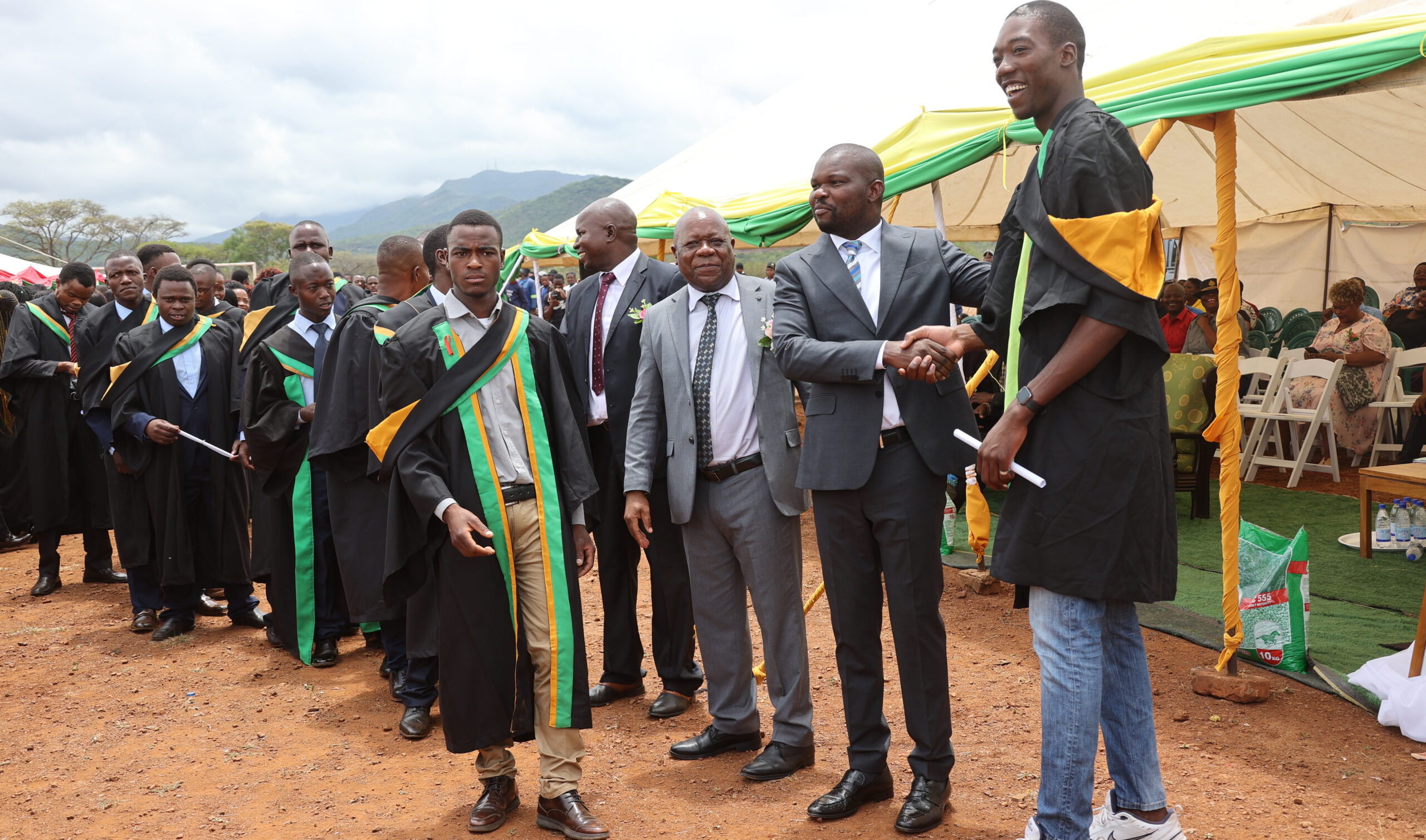
ZIMBABWE’s young adults are the largest single working age group and will be contributing to their families, communities and society at large for decades to come.
So it is essential that they, individually and collectively, can make the largest possible contribution and so accelerate Zimbabwe’s development.
In this regard, they help build the very wide range of businesses required to take advantage of Zimbabwe’s national resources and add the sort of value the nation requires to push ahead ever faster.
The Second Republic has moved youth empowerment policies into the centre of the development agenda, and in particular has been ensuring that all youths can benefit.
Post-independence expansion of the education system, especially secondary schools and sixth forms, and the opening of a large number of universities and formal teacher training and polytech colleges, did open the doors for a large minority.
However, that still left the majority, often without formal qualifications or any access to additional training, to sink or swim on their own and all too often than meant to sink.
So poverty would tend to be transferred between generations, and it was very difficult for anyone to break out of these cycles.
The thrust of the Second Republic has been to recognise the potential that is out there.
Very often the youths left behind were ready to work hard, if they had something to work for, and were not seeking an easy life through crime or drug abuse or other routes to escape the real world. But they did want a chance.
Many of the major development programmes launched by the Government in recent years, from Pfumvudza/Intwasa onwards, are designed as much for youths as for others whom they benefit.
The idea is that Zimbabweans ready to accept some basic training and put in the very hard work often required can get ahead, creating businesses and earning money rather than just surviving in a subsistence economy.
For youths, the vocational training centres have been a critical addition to this whole process. Highly practical and immediately relevant skills are taught in special courses so that young people are empowered to start earning a far better living.
At the same time the formal schools syllabuses have been extended to include a large practical and application element, helping to ensure that all children who pass through high school, regardless of whether they qualify for university, are able to convert those school years into a solid block of skills formation that will allow them to move forward.
Now President Mnangagwa wants the expansion of the youth training, skills development and empowerment to be widened further by bringing in digital competency training as something routine for all youths, not reserved for a minority or considered something special, but rather as a routine extension of what is already in place.
Whatever each young person does in life these days will require such skills, in some cases because they form the centre of the person’s career but far more often because they transform and add to other productive careers by allowing access to the latest information, skills development and business methods.
In fact every business, large or small, these days needs to be connected to the internet to reach and interact with customers and potential clients, and these trends are only going to be ever more accentuated as time passes.
When we consider just how digital technologies have already changed our lives, we can see the need to use and understand them.
Being very practical, the President wants to see other advances in the range of benefits and activities offered by or through the Ministry of Youth Empowerment, Development and Vocational Training, and wants these reflected in the National Youth Empowerment Strategy.
One obvious addition is the need for far more access to basic premises for a very wide range of productive small businesses, so that the next generation can start-up in safety and with some backing.
We have seen far too many businesses lost in sub-standard premises. Ideally the ministry or one of its agencies should be able to convert or build suitable premises, or check out and licence what a responsible private company is ready to offer.
In some countries this would include a small business development unit in the premises, with an experienced business person able to offer sensible advice.
In some communities this could even be a retired business manager giving back to their community and making sure the next generation starts where they left off.
It should be noted that such start-up centres need not be expensive. As businesses grow they will need to move, and that is when they need access to larger factories or offices or land to build their own new factory. But they need somewhere to start as the President noted.
The whole of the youth empowerment and development policy has to be inclusive, allowing all youths to benefit regardless of their backgrounds, where their families live and what their parents do for a living.
In many cases they will remain connected to their families, helping their parents develop new businesses on a farm for example, but in other cases they will need to strike out for themselves. The youth training and empowerment should offer all options.