admin
admin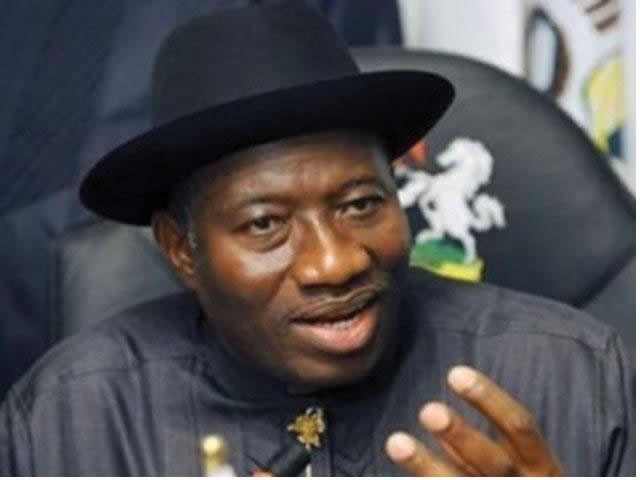
THE main observer missions for the Zimbabwe elections next week are now arriving and deploying their teams around the country, and doing a professional job while they do so.
The two most important sets of observers come from the African Union, which is sending in a joint team with Comesa, and Sadc.
These two missions have an absolute right to observe the Zimbabwean elections, the right coming from the agreements and treaties of the organisations and Zimbabwe is a member of both.
The reason why these are the two critical observer missions is that we need our elections to be certified, and that is not really too strong a word, by our neighbours in the region and by the continent at large. And both organisations have taken their role seriously.
The AU team is led by a former Nigerian President, Goodluck Jonathan, who was once head of Africa’s largest democracy and will, as a consequence, know a lot about what can go right and what can go wrong in an election.
His team includes the technical expertise and others who have fought and won and fought and lost elections, so their report will be both accurate and important.
The Sadc mission is headed by a former Zambian Vice President, Dr Nevers Mumba. Zambia is the incoming chair of the SADC Organ on Politics, Defence and Security Co-operation and so nominated the head of this critical mission.
Dr Mumba was quite explicit on his arrival. The mission is here to observe, not take part in the election, and what Sadc wants is a free and fair election where the people of Zimbabwe will choose their Government and Parliament through a normal and peaceful democratic process.
Sadc has high standards for elections, and expects all members to follow them.
The reason, as Dr Mumba explained, is obvious. A free and fair election will produce a Government that the majority want and so a member state will be a peaceful and happy neighbour without endangering regional security.
There is a lot of self-interest among the neighbours, and Zimbabwe is neighbours of five SADC states, that elections meet the high regional standards and that the result reflects the wishes of the Zimbabwean voters.
The SADC mission, besides its deployed members, will also be drawing on the knowledge and experience of the diplomatic missions most SADC countries have in Zimbabwe, so will have a lot of knowledge of just what is going on and why.
Both the AU and SADC will be neutral, in the sense that they are not particularly fussed who wins as long as they win honestly and fairly.
In other words their agenda is honourable and they have no favourites and no enemies. And they are unlikely to accept excuses for bad organisation and the like.
The old excuse “but this is Africa” does not go down well any more. Africa simply wants to be the best and an example to everyone else, not a continent that accepts the second-best.
There are other important missions. The Commonwealth is sending in a team and their report will obviously have a major influence on members of that organisation when Zimbabwe’s application for rejoining the Commonwealth finally comes to the table for the decision.
There have been a lot of contacts and preliminary investigations, and a decent free and fair election will simply be the icing on the cake.
There might be one or two members who have their own ideas of how the results of the election should go, and who will have a favoured candidate, but an honest report and a report that generally accepts the result, whatever it is, should mean Zimbabwe is back in at the next summit.
Again most of the team is unlikely to have a favourite or an enemy, and will just want an honest result. When we rejoin, by the way, the Commonwealth will have the same rights as the AU and SADC to observe future elections. It goes with the membership card.
The European Union appears to be taking its mission very seriously indeed with a preliminary group in the country for some weeks already and a full team to be deployed for the polls and the aftermath.
Besides that, the EU and its members have a lot of diplomats in the country, so should be able to see and work out what is going on.
Relations with the EU and its member states have been improving dramatically during the life of the Second Republic, with most of the sanctions imposed early this century now lapsed or removed.
But a reasonable report on the elections, at least stating that the will of the people was what turned up in the result, will go a long way to restoring totally normal relations. There might be one or two negative minority comments, but that will not detract from a generally fair report.
One aspect is important with the EU. Zimbabwe has been blocked from a number of multilateral finance organisations and, de facto, some global banking with bankers being nervous about breaching some minor regulation.
Even the need to clear arrears has been recognised and is being worked on, with some EU support.
But if the EU just continued normalising relations with Zimbabwe then all this, including the necessary measures of debt relief and more probably rescheduling of loans, would be easier.
Those who want sanctions have to rely on votes of EU members in these organisations and even an abstention by EU members will make a huge difference.
Zimbabweans need to understand that no country that has these sort of observer missions ever scores a perfect mark.
Among their other functions they offer suggestions on how things could be even better next time, and that you get even when your election is judged A+++. That is how it should be and Zimbabwe should be seeking perfection, not a pass grade.
We are confident that these major missions will find our polls meet the required standards, and in many aspects exceed them and sometimes by a significant margin. Zimbabweans do not want cheating and violence or any other negation.
We all want a free and fair election and are quite capable of choosing who we want to win.
If we have disputes we have judges, and they are on standby and have already shown in the preliminary skirmishing disputes that they are quite capable of coming to the legally correct decisions and doing so very quickly.
This is important. We have our own referees and they are prepared to do their job, without worrying about who is suing who or who is launching petitions. They just want the law followed.
There have been some minor foreign groups, but some with surprising financial muscle, who want to join our politicians on the playing field, instead of sitting in the stands, with binoculars if they wish not to miss anything.
This is wrong, and they will have influence in some parts of the world among some who feel that any election that does not elect their favourites must be condemned.
But generally their influence is limited, while the influence of the major missions, and especially the African missions, is very important.
It is likely that the reports of the most important missions will be impartial, and considering all the work that has gone into organising the Zimbabwean elections will be recognised.


 Online Reporter