Online Reporter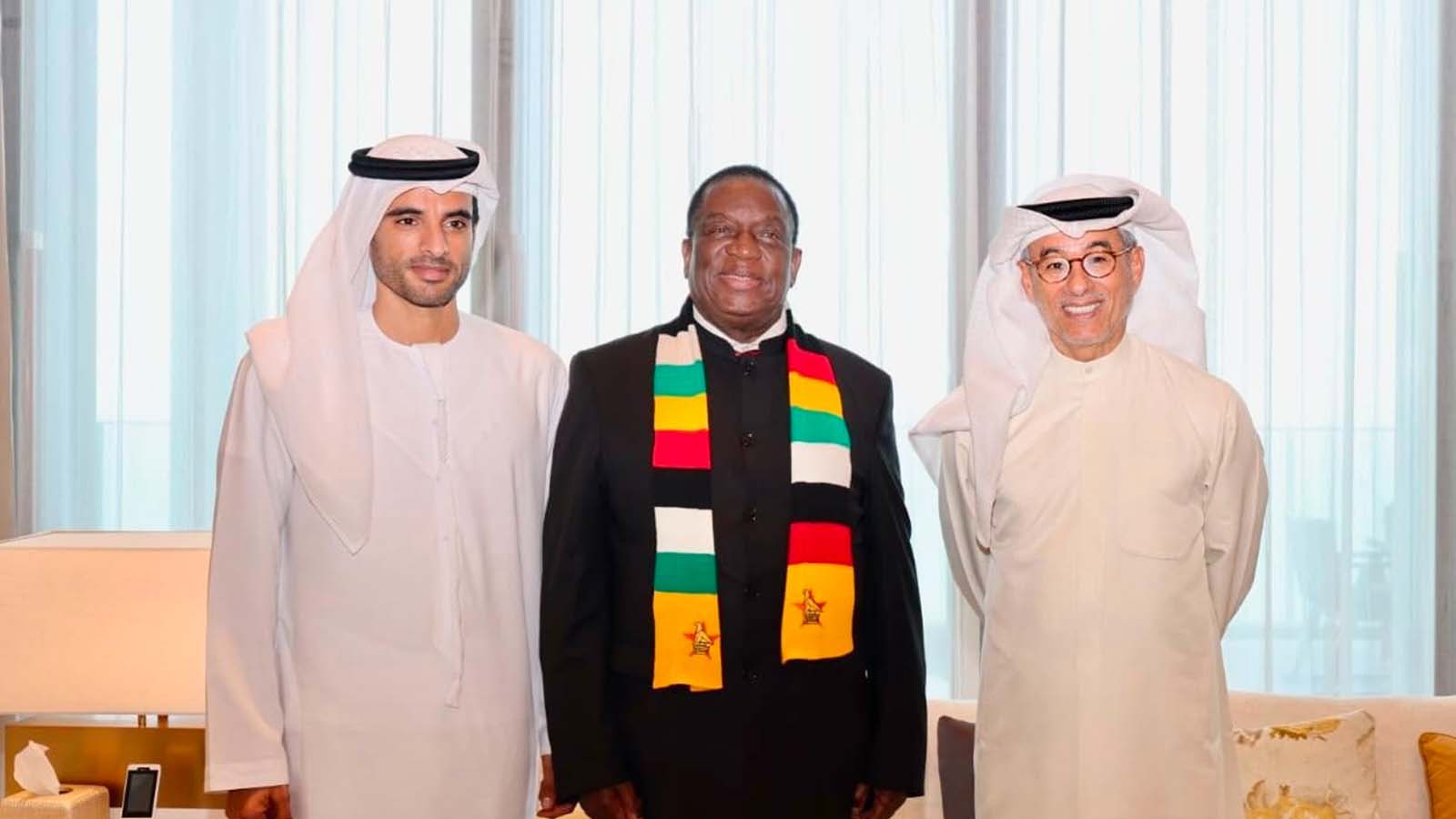
ZIMBABWE is listed as one of the world’s top tourism destinations and its open business policy and fast economic growth make it an important business hub, attracting another important group of visitors.
The rapidly growing number of international visitors coming for pleasure and business, as well as the rise in domestic tourism as more Zimbabweans want to explore their own country, means we need a very wide range of tourism accommodation and services.
These would range from highly personalised small family hotels and pensions, safari camps, heritage-based tourism facilities, formal business people’s hotels and luxury accommodation than can match anything in the rest of world. We need the lot.
Some of the facilities will be built and owned by Zimbabwean families and communities, and one of the advantages of building up the tourism sector is that the spread of facilities implies a spread of investments.
We already have a good spread, and parts of that can be grown and are being grown quickly, but in some respects we have been behind.
One area is the luxury market, for those who want the very best in accommodation and hotels and related facilities. We need these higher-spending visitors and we need to recognise that they will include a lot of the top investors and business people, and they need to be impressed by what we can lay on.
It is catering to this market where external investment will make the largest difference and in many cases only such investment will make the difference soon, when we really need it.
President Mnangagwa recognised this as part of his investment drive during his visit to Dubai earlier this year for the World Governments Summit.
As is usual on his foreign visits he set aside time to meet and talk to potential major investors, adding his personal diplomacy and assurances to what his Government is doing through embassies and established agencies who provide the details.
This personal interest and diplomacy by the President has proved crucial in several major investments already made in Zimbabwe, from major mines to an entire steel industry.
The President makes sure he is backed up by the Zimbabwean technical expertise and that his diplomacy is followed up rigorously and is not just a vague piece of sales talk, but part of the process of accelerating Zimbabwean growth and employment creation.
He was in the United Arab Emirates over the weekend, following up on these engagements.
Among those he spoke with in Dubai was Mohamed Alabbar, the visionary founder of Emaar Properties, a major property development company specialising in the top international edge of that market including luxury hotels. The interest shown by Mr Alabbar moved forward into a working meeting with the President, with that necessary highly-efficient follow-up thereafter.
The result is that Mr Alabbar is now coming to Zimbabwe, this month, to see the country for himself and have a good look around, including looking at potential sites.
This is very promising as we move from expressions of interest to something a lot more practical by someone who cannot waste time on gestures.
There have been several expressions of interest in luxury hotels and related property development over the years, but except for one investor who bought up an existing higher-end hotel property and has been renovating and improving this, the interest was more superficial than that shown already by Mr Alabbar.
It should be noted that Zimbabwe has a large and experienced construction industry and produces the materials needed for the basic core of a building, the concrete, steel and bricks, although the fancier and more luxurious finishes probably need to be imported.
Local contractors can handle the wiring and installation of advanced electrical equipment and plumbing.
So there are a lot of jobs being created when a major property development is initiated.
There has been growing demand already for some of the luxury finishing materials, where Zimbabwe sometimes even exports the basic raw materials for others to finish.
The present property booms and the potential for high-end investments do open doors for Zimbabwean processing industries to meet and exceed the highest standards and thus supply some of these luxury materials.
Tourism itself is a very labour intensive industry, all the way from cleaners and the like on the bottom employment rungs, through technical experts in the kitchens and customer care, to management.
Again Zimbabwe has been building up the pool through imaginative use of the expanding tertiary education sector to make sure that those expanding the tourism sector can fill a lot of positions locally.
This has worked exceptionally well in mining and agro-industrial concerns and tourism is likely to follow suit.
So such investments fill the value the President is keen to create: plenty of new employment including skilled higher-end posts; the increasing use of local industry and contractors; the stimulus given to expanding other industrial sectors; the creation of new products and services.