Online Reporter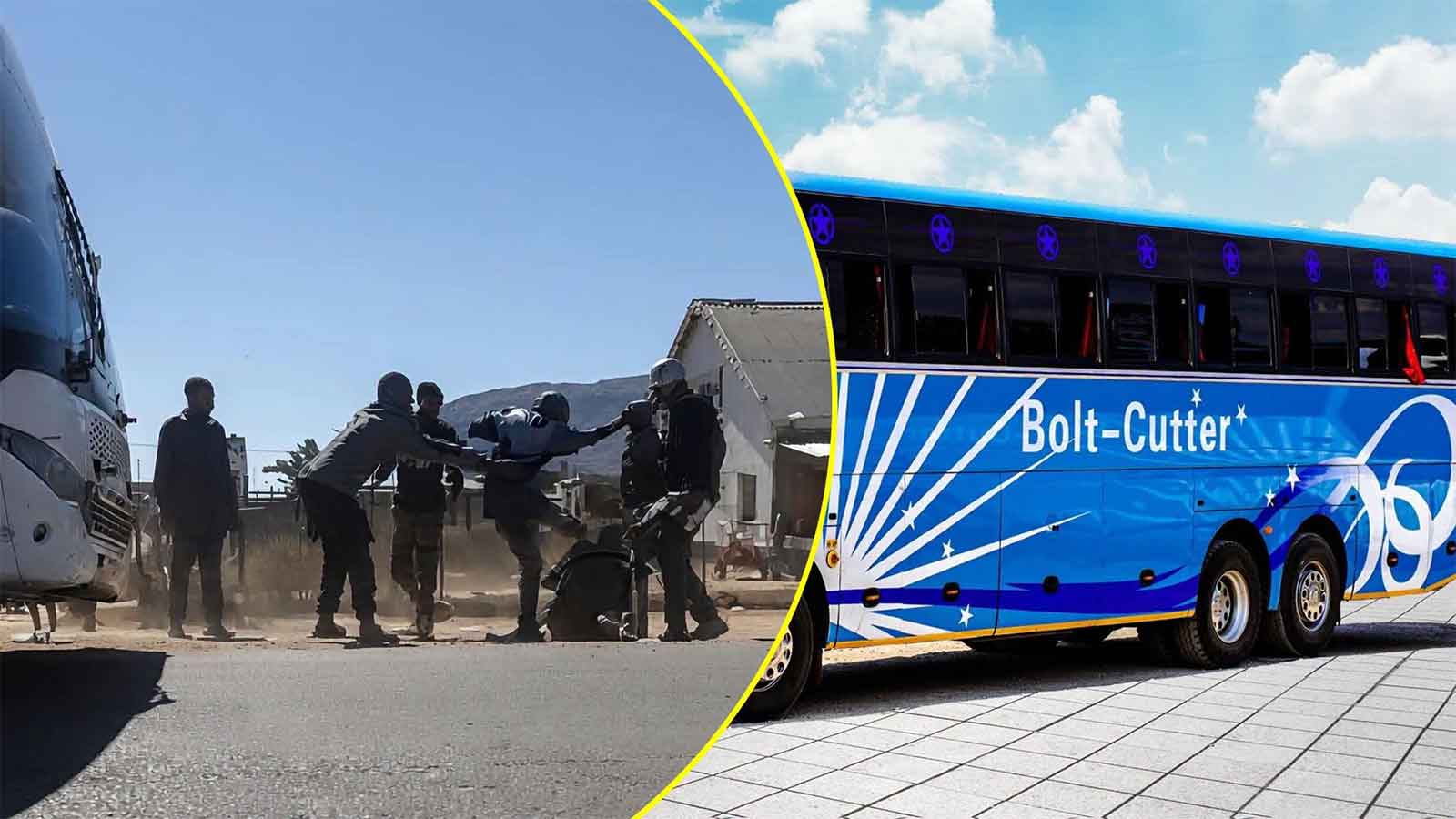
THE disturbing incident in which schoolboy passengers were assaulted by members of the Bolt Cutter bus crew has understandably sparked outrage across Zimbabwe.
It is an incident that goes beyond a disagreement between passengers and transport operators.
It raises serious questions about passenger safety, professionalism in the public transport sector and how bus companies treat the very customers who keep them in business.
No child should ever fear being physically assaulted simply because they boarded a bus.
Public transport operators have a duty of care towards every passenger, regardless of age.
Schoolchildren deserve even greater protection because they are minors who often rely on public transport to travel to and from school.
Reports of violence against young passengers are deeply troubling.
Even if there had been disagreements over fares, seating arrangements or behaviour, there can never be any justification for bus crew members resorting to physical assault.
Adults employed to provide a public service are expected to exercise restraint, patience and professionalism. The calls by some members of the public to boycott Bolt Cutter buses reflect the anger and disappointment many people feel.
In today’s competitive transport industry, reputation is everything.
A single incident, if not handled properly, can severely damage years of hard work spent building public confidence.
Whether or not a boycott ultimately gathers momentum, the bus company should appreciate that public trust cannot be demanded—it must be earned.
The company’s response to this incident will determine whether passengers regain confidence or decide to take their business elsewhere.
The most important step now is for the company to carry out a thorough investigation and cooperate fully with law enforcement authorities.
If any employees are found to have assaulted passengers, appropriate disciplinary action should follow.
Attempts to downplay or dismiss such allegations would only worsen public perception.
At the same time, due process must be respected.
Investigations should establish exactly what happened, ensuring that conclusions are based on evidence rather than emotion or speculation.
Justice must be fair to everyone involved while putting the welfare of the children first.
This unfortunate episode also highlights the need for improved customer service training across Zimbabwe’s public transport sector.
Drivers and conductors operate in stressful environments, but handling difficult situations calmly is part of their professional responsibility.
Conflict resolution skills, respect for passengers and awareness of children’s rights should form part of regular staff training.
Parents entrust transport operators with their children’s safety every day.
That trust should never be violated. Every journey to school should begin and end safely, without intimidation, threats or violence.
Regulatory authorities also have an important role to play. Complaints involving violence against passengers must be investigated swiftly, with meaningful sanctions where necessary. Strong enforcement sends a message that abuse of passengers will not be tolerated, regardless of the size or reputation of the transport company involved.
Ultimately, this incident should serve as a wake-up call for the entire public transport industry.
Buses are not merely vehicles that move people from one destination to another; they are public spaces where dignity, safety and mutual respect should prevail.