admin
admin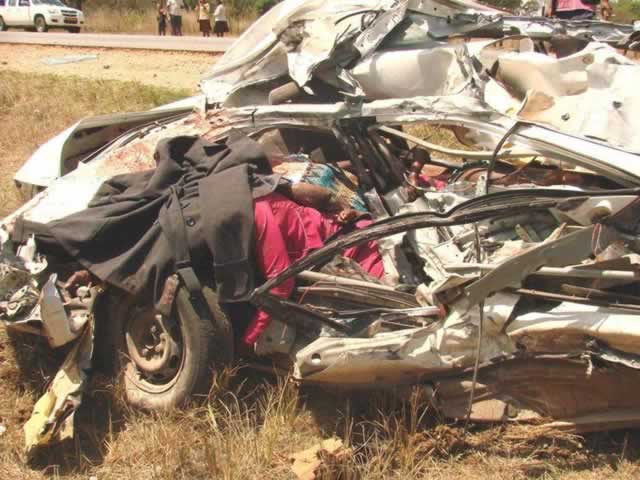

We are three days into December so we can declare that we are already three days into this year’s festive season. Shops are now emblazoned with Christmas colours, red and white, a seasonal signal that the time has come. This is a period of parties, food and drink as Zimbabwe, a largely Christian nation; celebrates Christmas Day, the day when Jesus Christ was born. A Zimbabwean party is not a party if it lacks chicken, rice and drink, much of it- beer. For kids, a Christmas Day minus new clothes equals nothing.
On this day in rural areas people wake up early in the morning, bathe, eat their best meal of the year, wear their choicest clothes and form columns of humanity as they walk to townships. In the dust, they dance to music at the business centres where they also show off their outfits and hairdos.
Boxing Day isn’t as happy as Christmas Day. For many households in the countryside, it is back to the normal manual rural chores including weeding the fields seeing that the days are set in the wetter period of the year. The mood gets happier a few days later on New Year’s Day, but not as great as Christmas Day.
Generally, however, the eight days from Christmas Day to New Year’s Day constitute the happiest week on our national calendar.
Much of the festive happiness is possible because of the 13th cheque that workers get end of November. Some civil servants have received theirs as have a few workers in the private sector.
For Bulawayo, Matabeleland South and North, the injiva will soon be rolling in, flaunting their vehicles, labels and cash. Of course some of the motor cars are rented from South African hire firms which our compatriots bring over to contrive a sense among their relatives back home that they are doing well Egoli.
As we celebrate the birth of our Saviour and the start of a New Year, we note with concern that in many circumstances, not all of us actually get into the New Year in celebratory mood.
There are many reasons for this, some beyond our control, others because of our recklessness.
Our people should spend their 13th cheque most wisely. Life does not begin and end with bonus and the festive season. There is January to come when school fees have to be paid and uniforms have to be bought.
Yes, children are excited. Parents indeed have a responsibility to spoil them as much as they can, and adults can spoil themselves but impulsive buying will always lead to grief when January begins.
After overspending over the festive period, many injiva are known to get so broke that they end up stealing in order to raise money for the return trip to South Africa. That is wrong.
Our message therefore is that our people should celebrate, yes, but use their money diligently.
At this time of the year, as we noted earlier, alcohol often flows generously. Some youths get their first taste of it on Christmas Day. In most cases, they are overcome by it and end up misbehaving. This is the same challenge with adults who have a weakness with beer. Too much alcohol impairs judgment resulting in some people getting violent. It is regrettable that this is the time when the Okapi is most used to fatal effect, particularly in Matabeleland. We will not tire to implore our people to quit. If they choose to drink they should do so responsibly and find a safer use for the knife.
Excessive alcohol intake is also disastrous when the imbiber has to drive at the same time. More than 50 percent of the road accidents that occur from December to early January, as during other times of the year, are attributable to drunken driving. If you add other human factors, the percentage rises to 95 percent. Adverse road and weather conditions account for the remainder.
We therefore say, no to drinking and driving. Motorists are urged to keep their vehicles in good working order.
Police have to be on the lookout to ensure safety on the roads and in homes. They will soon roll out their festive season programme, enhancing their visibility by, among other ways mounting more roadblocks on major highways; increasing foot and motorised patrols and implementing awareness activities through the media.
But police are not God who is omniscient and omnipresent. The best policing is done by the individual and the community. We must celebrate responsibly.
In saying all the foregoing with specific focus on those blessed with the means, we don’t forget that there are some for whom Christmas Day doesn’t exist. We mean the poor, the jobless and those working for struggling firms who have no salary and bonus. Zimbabwean society has many of these. We pray that God transforms their condition now in Jesus’ name.



 Online Reporter