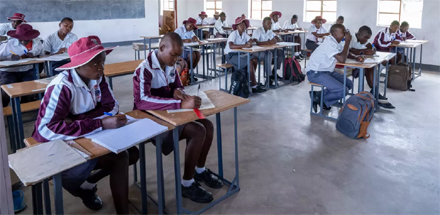
FOR many years, the mention of school dropouts in Mutare District often evoked concern and disappointment.
Hundreds of children, especially girls, saw their educational journeys cut short by poverty, early marriages, long distances to schools and cultural practices that placed little value on formal education.
Today, however, there is encouraging evidence that the tide is turning. The decline in school dropouts and the rise in school completion rates across the district deserve celebration as they represent, not just educational success, but a transformation of communities and a brighter future for generations to come. Education remains one of the most powerful tools for breaking the cycle of poverty and empowering communities. When children stay in school and complete their studies, they acquire knowledge, skills and opportunities that can improve their lives and contribute positively to national development. The encouraging achievements recorded in Mutare District therefore signal progress that extends far beyond the classroom.
Particularly noteworthy is the changing landscape within areas traditionally associated with high school dropout rates.
Mutare District is home to the headquarters of the Johane Marange Apostolic Church, a religious community that has historically faced criticism over child marriages and practices that often interrupted children’s education, especially that of girls.
For decades, concerns were raised about young girls leaving school prematurely to enter marriages, thereby limiting their life opportunities and exposing them to numerous social and economic challenges.
However, it is important to acknowledge positive change where it is taking place. The Johane Marange Apostolic Church has in recent years demonstrated a growing commitment to education by investing in the construction of schools and supporting efforts aimed at ensuring children have access to quality learning opportunities.
Such initiatives deserve recognition because they reflect an understanding that education and faith can work hand-in-hand to uplift communities.
The establishment of more schools within church communities is helping to remove some of the barriers that previously hindered access to education. Children who once had to travel long distances to attend lessons now have learning institutions closer to their homes. Greater accessibility often translates into improved attendance, reduced dropout rates and higher completion levels.
The benefits of these developments are already becoming visible. More children are remaining in school through critical educational stages, while increasing numbers are completing primary and secondary education. This progress is especially significant for girls, who have historically been the most vulnerable to dropping out due to early marriages and household responsibilities.
Beyond the efforts of religious organisations, the achievement is also a result of collaboration among Government, traditional leaders, development partners, civil society organisations, teachers, parents and communities.
Programmes promoting the rights of children, campaigns against child marriages and initiatives aimed at providing educational support to vulnerable learners have all contributed towards keeping children in school.
Parents, too, deserve commendation for increasingly appreciating the value of education. There is a growing recognition that educating a child is, not an expense, but an investment.
Families are beginning to understand that a child who completes school stands a better chance of securing meaningful employment, pursuing entrepreneurship or contributing productively to society.
The rise in school completion rates also highlights the dedication of teachers who continue to work under challenging conditions to nurture learners. Their commitment has kept countless learners motivated and focused on achieving their educational goals.
Every child who graduates represents the result of collective effort and sacrifice by educators, parents and the wider community.
Nevertheless, while there is every reason to celebrate this progress, complacency would be a mistake.
Challenges such as poverty, teenage pregnancies, drug and substance abuse and inadequate educational infrastructure still threaten to derail gains made so far. The district must therefore continue strengthening measures that protect children from dropping out of school.
Religious institutions, including apostolic churches, should deepen their commitment to education and become active champions against child marriages. Traditional leaders must continue enforcing laws designed to safeguard children. Parents should remain vigilant and prioritise education for both boys and girls. Communities must also provide supportive environments where every child is encouraged to dream and succeed.
EDITORIAL COMMENT: Classrooms triumph as more children complete school