admin
admin
Parents, especially in rural areas, are struggling to raise money for levies and school fees. Most of these parents’ only source of income is farming but due to successive years of drought, many of them are not harvesting much. Some of the parents are as a result being forced to sell their livestock to raise money for school fees and levies.
There are many cases of pupils that have failed to write O or A-level examinations after failing to raise exam fees. It is therefore painful to learn that this money, which parents are struggling to raise, is being embezzled by school authorities. According to the Ministry Primary and Secondary Education, the recent audit it conducted nationwide unearthed massive theft of school funds.
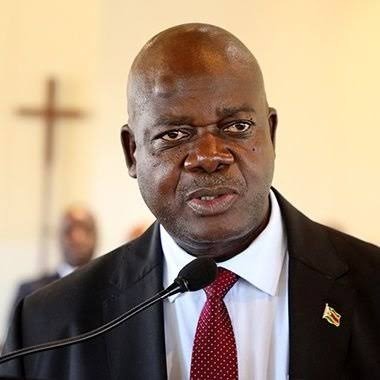
The Deputy Minister of Primary and Secondary Education, Professor Paul Mavhima, said the ministry had audited only 1,800 schools which is about 18 percent of the schools and the outcome showed that school development committees were abusing funds. He said to cover up for their shenanigans, the school authorities were doctoring accounts documents.
Prof Mavhima said the theft of school funds was compromising infrastructural development. The Deputy Ministry said about $1 billion was being raised by schools through levies and this money was supposed to fund construction of classrooms, teachers’ houses and other such facilities. He said government was therefore concerned when such money is embezzled by school authorities.
Prof Mavhima said resources permitting; the ministry would want to audit all schools every year so that the exercise becomes a deterrent to would be thieves. He said once authorities were aware that their books would be audited every year, cases of fraud would be minimised.
We want to commend the ministry for embarking on this exercise to check on how school funds are being used and what is pleasing is that action is being taken against those found to have embezzled funds. The theft of school funds, according to Prof Mavhima has affected both rural and urban schools. He said a typical problem was in the receipting whereby different amounts were written on the top copy and carbon copy.
This is a very simple method of stealing which can easily be detected by random checking of books.
Auditing of all schools every year might not be feasible given the limited resources but ministry of officials from the audit section can from time to time do a random check of books at schools. There is also need for school authorities to employ qualified people to handle school funds.
Parents on their part should take a keen interest on how their money is being used. Parents should not hesitate to raise alarm in cases where they suspect the SDC or the school head is embezzling funds.
The audit results revealed that SDCs and school heads are doing as they please with public funds which is not acceptable.
We want to once again implore the ministry to continue close monitoring how school funds are being handled by school authorities so that funds are used for their intended purpose which is to develop the schools.


 Online Reporter